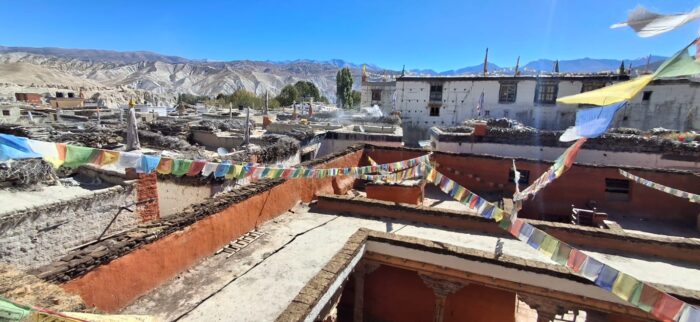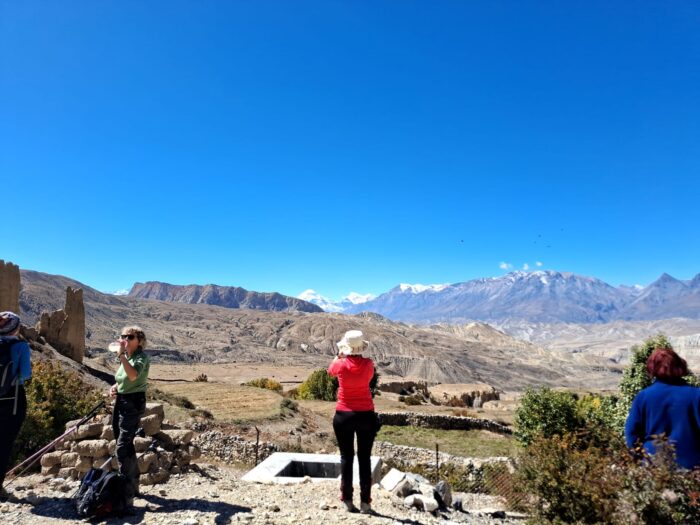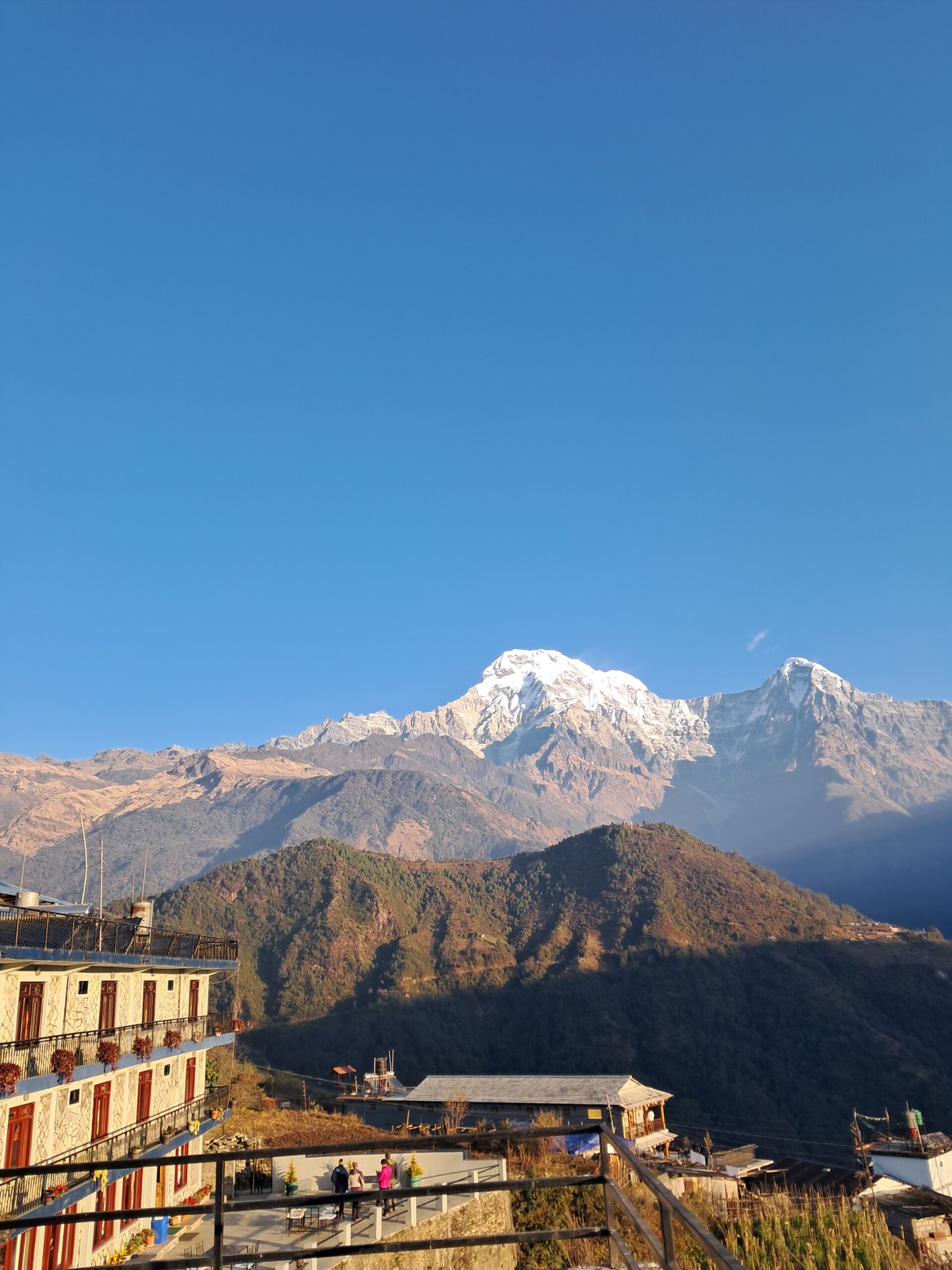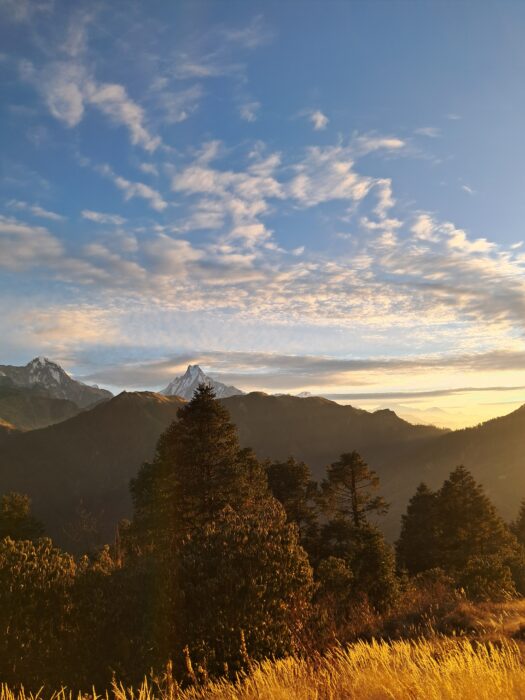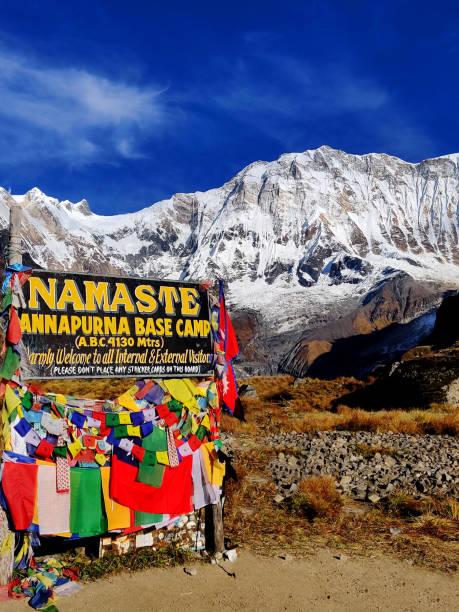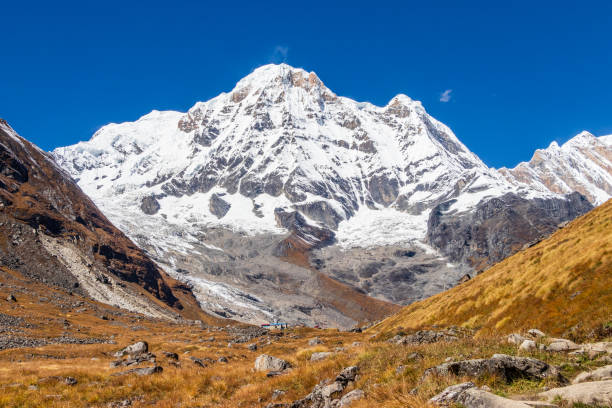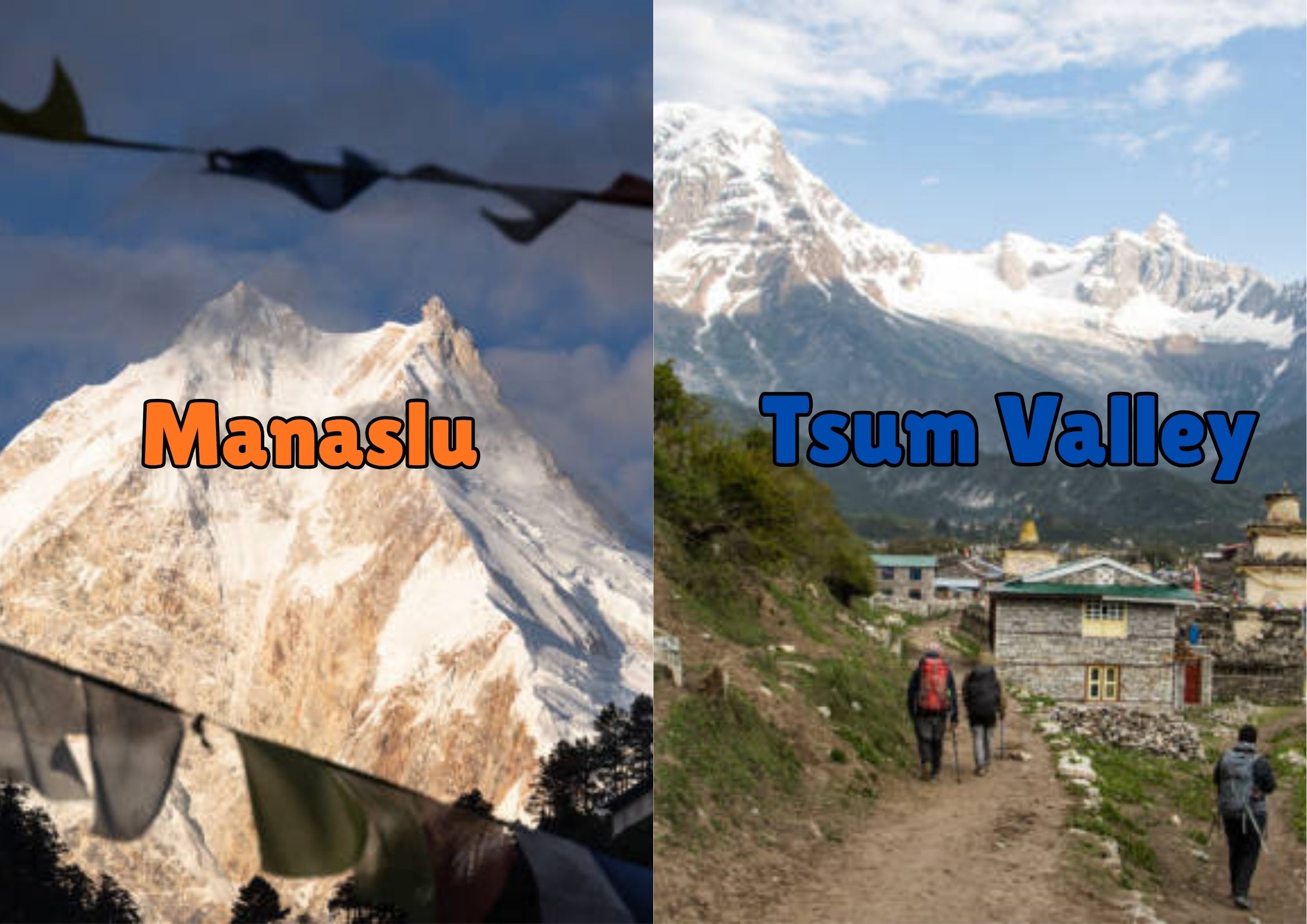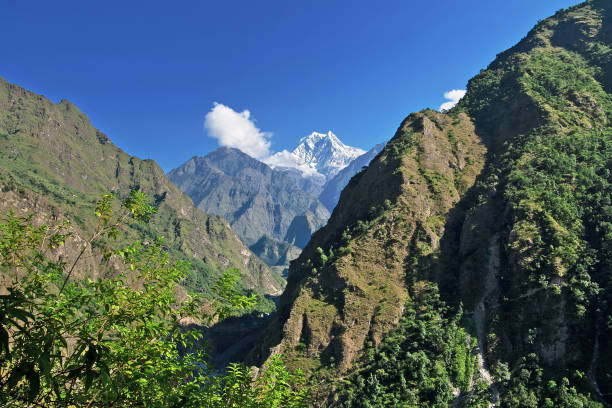
Explore Manaslu Circuit withTsum Valley trek

Trek overview

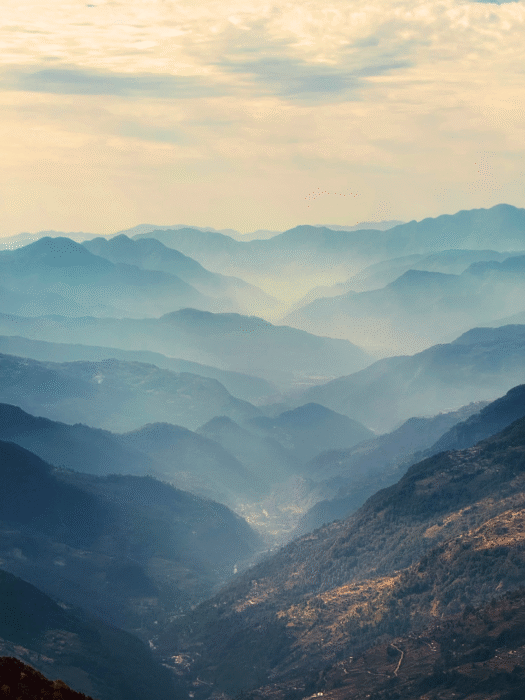
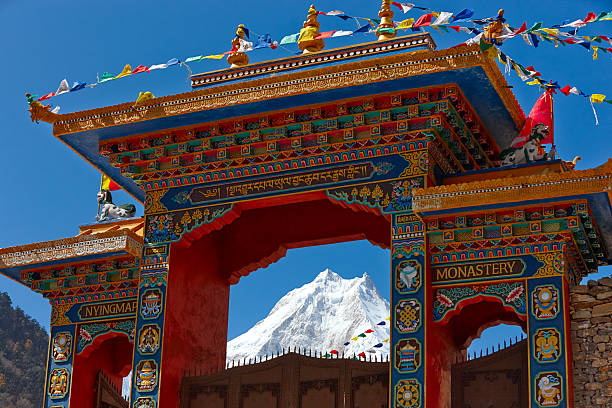
The Tsum Valley with Manaslu Circuit Trek is an awe-inspiring journey through Nepal’s Manaslu region and the secret Tsum Valley. The journey offers a marvelous mountain view of Mount Manaslu which is the world’s 8th highest peak. Along the way, a deep cultural experience of Tibet influenced villages and monasteries which are rare to find anywhere else.

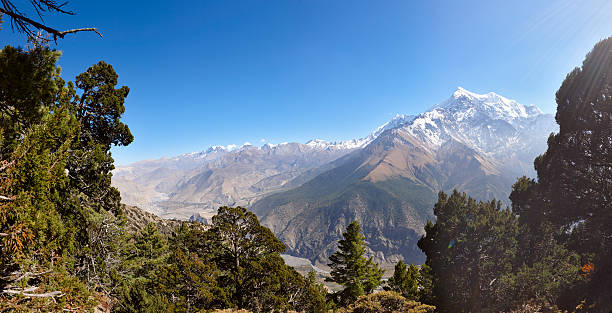
The most overwhelming part of the Tsum Valley with Manaslu Circuit trek is to trek in between majestic mountains. That include Mount Manaslu (8,163 m), Himal Chuli (7,893 m), Ngadi Chuli (7,871 m ), Annapurna II (7,937 m ), Annapurna III (7,555 m), Annapurna IV (7,525 m ), Himlung Himal (7,126 m ), and other peaks above 6,000 meters.

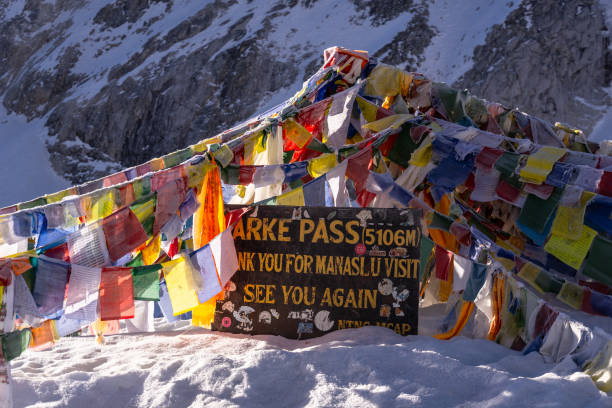
It is definitely an exploration to the extreme that takes multiple weeks. Some of the days you would be walking for many hours and crossing Larke Pass, 5,106 meters (16,752 feet). And you would be ascending very high places where the atmosphere is thin. It is a physical challenge, but the astonishing views at every turn make it ​‍​‌‍​‍‌possible.

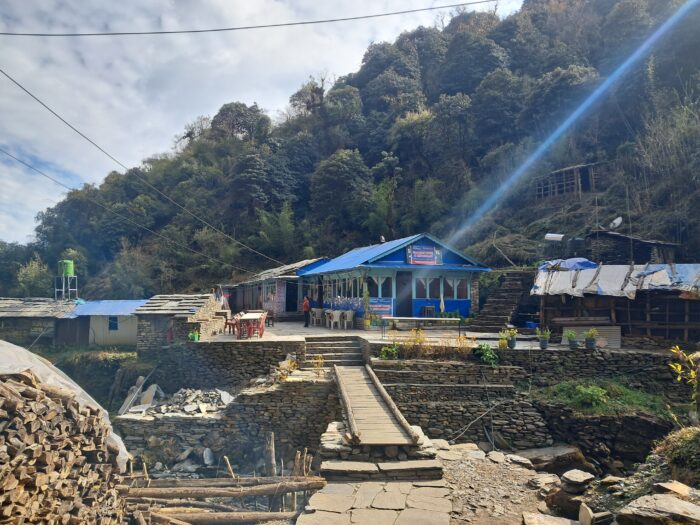
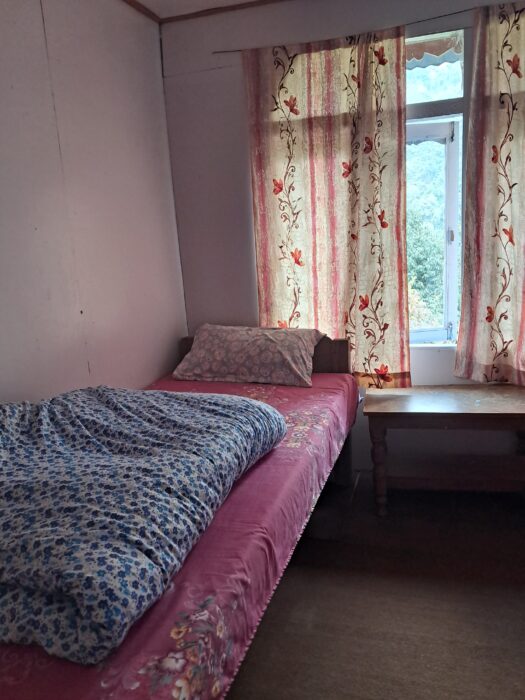
Along the journey, you’ll stay at a guesthouse, where only basic accommodation facilities are available. Also meet other fellow trekkers from all over the world and friendly locals who share culture and stories.

For the Manaslu Circuit with the Tsum Valley trek, you should have a special permit. Because it is located in a protected area. You will need a guide and porter with you to make your trek comfortable and successful. The best time to trek is in spring or autumn when the weather is nice and clear.

 Why Manaslu Circuit and Tsum Valley trek?

Manaslu ​circuit along with the Tsum Valley trek is an excellent choice for people who desire an adventure in the Himalayas. It has a lot less traffic as compared to Everest or Annapurna so one can have a peaceful trek leaving aside the breathtaking views of the mountains. You trek around the massive Manaslu which is the 8th highest mountain in the world. Yet, also comes across a very high mountain pass, Larke La pass.

Tsum Valley is a very secret and spiritual place which is very rich in the culture of Tibetan Buddhism. You will visit ancient monasteries, see prayer walls, and meet gentle local people who live in the same way as their ancestors. The valley was closed to outsiders till 2008 so it still has the feeling of being untouched and pure.

This trek would  be wonderful for those who love to be in nature. It follows the trails of the Manaslu Conservation Area which is the habitat for animals like Himalayan blue sheep and maybe even snow leopards.

The path leads one through forest, along the river, and also through remote villages. It is a great combination of nature, culture, and adventure. In case you are a lover of quiet places, big mountains, and real local Tibetan culture then this trek would be just right for you.

Why is Solo Trekking not allowed in the Tsum Valley and the Manaslu Circuit trek?

Solo trekking is restricted  in the Tsum Valley and the Manaslu Circuit areas due to its remoteness and difficult trail.  If you trek alone, you face a great risk of an accident, you can suffer from altitude sickness and you can get lost without anyone’s help.

Besides, these areas are situated near the Tibetan border and the Nepalese government has marked them as restricted zones. This measure is taken to regulate tourism and preserve the environment and local culture.

The special permits for these treks are only available through registered trekking agencies. You will need a licensed guide that will be already managed by us after your booking. Thus, it is a win-win situation for locals as well, who will get more job opportunities as guides and porters.


Why trek with us?

Explore the majestic Himalayas on a trek with us. Being a Nepal-based travel agency with professional guides, we offer you the deepest insights into the Tsum Valley and the Manaslu Circuit. Besides having a great knowledge about area and safety measures, our guides are very warm and passionate who will enrich your journey.

We take good care of your safety and comfort and handle all the logistics with essential trekking  permits. Our trek is a personalized and fulfilling experience for you which is far from just a goal of reaching the destination. Experience the magic of Nepal with people who genuinely know and love these ​‍​‌‍​‍‌mountains.

We prioritize your safety and comfort, handling all logistics seamlessly, from permits to comfortable accommodations and nutritious meals. We tailor our treks according to your needs, ensuring a personalized and enriching experience that goes beyond just reaching the destination. Discover the magic of Nepal with us, who truly know and love these mountains.

Permits and Regulations for the Tsum Valley and Manaslu Circuit Trek

For trekking in Manaslu​‍​‌‍​‍‌ and Tsum Valley, you will need several permits. This is because the region is restricted and also a conservation area. You cannot get the permits by yourself; they have to be got for you through an authorized trekking agency. In addition, a solo trek is not allowed. The permits that you should need:

  • Manaslu Restricted Area Permit (MRAP): It is a required permit for the Manaslu Circuit. The rate changes according to the season and the days of your trek.
  • Manaslu Conservation Area Permit (MCAP): For entry in this area, you must have a Manaslu Conservation Area permit.
  • Tsum Valley Restricted Area Permit: This is a permit for the Tsum Valley only. The rate, similarly, changes according to the days and the season.
  • Chumnubri Rural Municipality Permit: A local permit is required. If you would trek through the Chum Nubri Rural Municipality that is part of Tsum Valley Trek.
  • Annapurna Conservation Area Permit (ACAP):You would need an ACAP permit, especially at the end of the trek. Where you will have to pass through the parts of the Annapurna Conservation Area.

Our company will handle all the paperwork for your permits. The document required from your side is a copy of your passport, some passport-size photos. Do not forget that your passport should be valid for at least six ​‍​‌‍​‍‌months.

Best Trekking Seasons for the Tsum Valley Manaslu Circuit Trek

The best time to do Tsum Valley and Manaslu Circuit trek is during the warm seasons of spring and autumn.

  • Spring (March – May): During March – May there will be moderate temperatures, clear skies and the breathtaking view of hillsides covered with blooming rhododendrons. The views of the mountains are also mesmerizing.
  • Autumn (September – November): This season is characterised as very good weather conditions, clear skies with mild temperatures. Due to these reasons this period is considered as the peak trekking season in Nepal.

It is likely possible to go on a trek in the winter (December to February). But one has to be prepared for cold temperatures, and that some tea houses will also be closed. At the monsoon time (June to August) it is raining heavily causing trails to be very slippery and hence the more chances of landslides. Also, the mountain view is covered with thick clouds.

Altitude Sickness Prevention and Precautions

When you are going on a trek at high altitudes and passing through the mountain passes, you have the danger of altitude sickness or Acute Mountain Sickness (AMS). It is very important to prevent from its consequences, and therefore the measures below have to be taken:

  • Gradual Ascent: Our program is planned with the gradual rise of the altitude and enough days for acclimatization.
  • For Hydration: You must drink 3-4 liters of water daily.
  • Avoid Alcohol and Smoking: These can cause the altitude effects to become worse.
  • Ascend Slowly: Make your walk comfortable and do not walk fast.
  • If you have any symptoms of AMS, tell your guide immediately.

Guide and Porter for Manaslu Circuit and Tsum Valley Trek

Guide

  • A licensed guide is mandatory for the restricted area.
  • For the Cost of guide: They charge about USD 25–35 per day (includes food, accommodation, and insurance).
  • Help with Finding the Way.
  • Permit Handling.
  • Safety Management and Giving Cultural Information.

Porter

  • For your concern, a porter carries only 15–20 kg of your travel gear.
  • For the Cost of porter: They charge USD 15–25 per day (includes food, accommodation, and insurance).
  • By the help of a porter you will be less overloaded and able to experience the trek fully.
  • Get a porter from a trekking agency like ours to be sure that he is experienced and has ​‍​‌‍​‍‌insurance.

Short Manaslu Circuit Trek

Overview

The Short Manaslu Circuit Trek lies between the boundary of Gorkha and Manang District. This trek’s main attraction is Mount Manaslu, which is 8,163m above sea level and is the Eighth-highest mountain in the world. The trek is a combination of unspoiled nature, cultural exposure, and the adventure challenges that provide an experience unmatched to other himalayan adventures.

The foremost reason to choose Manaslu Circuit Trek for famous options like Everest base camp Trek and Annapurna circuit trek. This trek trail has less commercialized areas. The trail offers a serene Himalayan experience, Where one will be captivated by its landscape , culture and traditions.

The path ahead with its lush forests, terraced fields and traditional villages creates a picturesque scene. Along with thriving Tibetan Buddhist culture offers trekkers unique cultural encounters with communities and monasteries. The whole journey fosters a deep connection with the nature and culture of Manaslu region.

During the trek in this area the environment changes every few steps, from tropical vegetation to alpine scenery. As you go higher on the trail the view of both Mount Manaslu and other Himalayan giants become more and more stunning. The highlight of the trek is Larkya La Pass, which is more than 5,100 meters. Arriving at this place not only the vastness of the peak will be stunning to you but also the sense of the achievement to be there will be overwhelming.

The trek is a physically exhausting one but still it can be a life-changing and rewarding experience for trekkers in Nepal as the pristine beauty and cultural diversity motivated to trek.

Short Manaslu Trek Itinerary

This 12-day short Manaslu Circuit Trek offers a spectacular journey for the trekkers. It is one of Nepal’s most scenic places by nature and rich in culture . The trail for this trek has moderate trekking days, an essential acclimatization day, and a challenging high pass.

Day 01 Drive from Kathmandu to Machha Khola at 900 meters (2,953 feet)

Today’s journey begins with breakfast and a drive to Machha Khola. It is a village settled next to a river, an initial start point of the trek. The drive serves you great views of the lower Himalayan Foothill and greenery.

Day 02, Trek to Jagat (1,300 meters/4,265 feet).

The trail to reach Jagat follows the Budhi Gandaki River. Moving to the destination you will come across several traditional villages and terraced fields. Following the trail, there are some ascents and descents on the way to Jagat. It lies at the junction of the Siyar Khola and Budi Gandaki rivers.

Day 03 Trek to Deng (1,860 meters/6,102 feet).

From Jagat village, the real mountain journey begins. The whole trail unwinds through rhododendron and pine forests. When you arrive at Deng, it’s a perfect place to embrace the local Gurung and Tibetan-related cultures. Today, we will gently gain higher elevations, which is good for the body to adjust to further altitude.

Day 04, Trek to Namrung (2,630 meters/8,629 feet)

The Trek continues to Namrung, gaining altitude. Along the trail, it offers stunning views of the snow-capped peaks of the Manaslu range. Again, you will pass through forests of rhododendron and pine and cross several mountain streams. After reaching the village, it provides a picturesque view of mountains and a comfortable stay.

Day 05 Trek to Samagaon (3,535 meters/11,598 feet)

We are going up-hill today to the samagaon village, which lies beyond the upper Manaslu region and is the gateway for the base camp. In this way, it allows stunning panoramic views of the mountain giants, including Manaslu. There are many houses and a large open ground in this village area, where you will stay for two nights for acclimatization.

Day 06 Acclimatization day at Samagaon (3,535 meters/ 11,598 feet) 

An important day for getting used to the higher altitude. You will stay in Samagaon resting and adjusting, or you may decide to take a short walk to the nearby viewpoints and monasteries. This will help you in acclimatization. Besides, a rest day is necessary for a safe and memorable trek.

Day 07, Trek to Samdo (3,860 meters/12,664 feet),

Following the adaptation day, trekking will continue towards Samdo – a small village located near the Tibetan border. You will enjoy a short walk today to continue gradually gaining altitude. You will be amazed with alpine views and cultural influences from a high altitude community like this.

Day 08 Trek to Dharamshala or Larke Phedi (4,460 meters/14,633 feet)

Today’s trekking from Samdo to Dharamsala (known as Larke Phedi). Dharamsala is the last settlement before you cross the Larke La Pass. The trail will begin to climb through barren landscapes of this high altitude location with little vegetation. Dharamsala is so basic you should not expect much and you will stay overnight here to prepare for tomorrow’s hard climb over the Larke-La Pass.

Day 09 Cross the Larke La Pass and Trek to Bimthang. (Larke La Pass 5,106 meters/ 16,752 feet, Bimthang 3,720 meters/ 12,205 feet)

Today will be the hardest day of the trek where you will go to the Larke La Pass. We will wake up early in the morning to have any chance of avoiding the typical strong winds and snow that tends to be upward to the pass. The trek to the top of the pass will be quite steep, but the view from the top will be well worth it. After spending some time soaking in the unbelievable view, you will have a long walk down to Bimthang.

Day 10 Trek to Tilije (2,300 meters/7,546 feet)

The highlight of your trek was the challenging ascent, and today’s trek will be a descent into Tilije. The path goes through the forests of oak and rhododendron, and we will see vegetation change with the decrease in altitude. Tilije will be a charming village where we will have a local guest house to stay.

Day 11 Trek to Dharapani (1,860 meters/6,102 feet),

The last day of the trek will be a short trek to Dharapani to get back to the Annapurna Circuit trail. You will arrange cars in Dharapani to take you for a scenic drive to Besisahar where the Annapurna Circuit begins. We are staying at a hotel in Besisahar for the night as it marks the end of our short Manaslu Circuit trek.

Day 12, you drive back to Kathmandu (1,310 meters/4,600 feet),

Today, you will be driving back to Kathmandu, which should be a nice drive. You will see some different countryside and go through the center of the busy Kathmandu Valley. When you reach Kathmandu, we will transfer you to your hotel where you can relax and reflect on your wonderful trek.

Short Manaslu Circuit Trek Cost

The cost for the short Manaslu Circuit trek in 2025/2026 range from 950$ to 1250$ per person. But it may vary from package details, Group size and additional preferences.

Breakdown of Costs

  • Required Permits Cost: The Restricted Area Permit (Rap) RAP permit has two seasonal prices. From September to November, the cost is US$100 for the first week, plus an additional US$10 for each extra day. However, from December to August, the initial price is US$50 base fee with an extra US$7 per person for subsequent days. Annapurna Conservation Area Permit (ACAP) & Manaslu Conservation Area Permit (MCAP): Both permits cost 60$ for the foreign National and 10$ for SAARC National.
  • Transportation Cost: For the Public transportation From Kathmandu to MacchaKhola, it costs around 30$. If you hire a private vehicle then it will cost around $150- $200.
  • Accommodation and food Cost: For the 12 days Mansalu Circuit trek the basic tea houses stay and food will cost $15-$20 Per day.
  • Guides and Porters Cost: You will need the Guides and porters while travelling to this remote area. For the Guide it cost $20-$30 per day, similarly for the Porter it cost $15- $30.

Short Manaslu Circuit Trek from Kathmandu: A shortest Himalayan Adventure

The “Short Manaslu Circuit Trek from Kathmandu” is for those who have less time and yet are looking for an incredible Himalayan journey. This shorter trek has many of the same beautiful sites to capture the stunning mountain scene and local culture within a short period. It is a compact getaway and yet offers all the thrills of high-altitude trekking, rich cultural and amazing landscapes in a shorter period.

What Makes it “Short”?

The standard Manaslu Circuit Trek typically spans 14 to 18 days, but a “short” itinerary condenses this to 10 to 12 days from Kathmandu. This is primarily achieved by optimizing the starting and ending points and minimizing rest/acclimatization days, requiring a faster pace and better overall fitness from the trekkers.

Instead of beginning the trek further down the trail, the short route often starts at Soti Khola or Machha Khola after a long scenic drive (around 7-9 hours) from Kathmandu. Crucially, the short itinerary still includes the undisputed highlight: crossing the challenging Larkya La Pass at 5,106 meters (16,752 ft) before descending and driving back to Kathmandu from the Annapurna region trail-end, usually Dharapani or Besisahar.

The Journey: Peaks, Passes, and Culture

This shortened journey is an amazing circuit of Mount Manaslu (8,163m). The eighth high mountain in the world, and allows you to get close with its giant glacier-covered face. Although the trek pace is faster than normal trek, but, it is still rich on all the core experiences.

The Cultural Tapestry

The lower sections of the trek pass through lush subtropical valleys and the typical Gurung and Magar villages. As the trail climbs, it enters to the Nupri region, where you will experience a Tibetan Buddhist culture. You will Pass through several mani wall, colorful chortens and centuries-old monasteries in the villages of Lho and Samagaun. These give you a great insight into the spiritual life and traditions of the people.

Cultural Tapestry

The Alpine Challenge

The adventure lies in the certain change to the high alpine environment. Trekkers move from the rhododendron and pine forests to the altitude of towering peaks and glacial valleys. The day which brings the most physical challenge and effort is crossing the Larkya La Pass. But, this part of the trek is rewarded with beautiful views of massive Himalayan ranges including Himlung Himal, Cheo Himal, Kang Guru, and a dramatic scene of the Annapurna range.

Alpine Challenge
Himalaya mounts.

Considerations for the Fast-Paced Trek

Though it is possibly capable, doing the “Short Manaslu Circuit”. But it requires great fitness and previous experience in trekking at high altitudes. Reducing days reduces the amount of time allocated for acclimatization. That means trekkers must be aware of how the body responds to altitude. They have taken ascents or descents so that AMS does not develop, even under a difficult schedule. The itinerary is planned to have longer walking days (usually 6-8 hours). This itinerary is perfect for the experienced and fit adventurer seeking the maximum out of a shorter vacation in the heart of the Nepalese Himalayas.

Short Manaslu Trek with Larkya La Pass

Short Manaslu Trek with Larkya La Pass” is the right choice for an adventurous person. Those who wish to experience Manaslu wilderness and have a limited amount of time. This shorter trek has it all. It has all the major features of the entire Manaslu Circuit i.e. the famous Larkya La Pass at 5,106 m. It can be done in a shorter period of 10 to 14 days instead of 16 to 18 days. Manaslu circuit trek is less crowded trail, situated at the remote area compared to other popular treks like Everest and Annapurna. It is Surrounded by a beautiful nature that changes from green forests to steep mountain valleys and is influenced by Tibetan culture.

Short Manaslu Trek with Larkya La Pass
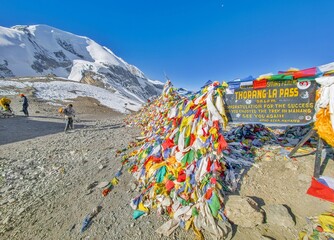
Larke pass sign at 5106m along the Manaslu circuit trek in the Himalayas in Nepal

The treks through Upper Nupri Valley, a culturally rich area. You will be able to see and explore traditional villages like Samagaun and Samdo, Buddhist prayer flags, mani walls, and very old monasteries. The people are living a very simple way of life which is based on farming and yak herding, but they are living with a profound respect for the mountains. In order to get used to a safer higher altitude, trekkers will be required to stay for about 2 days in Samagaun. There they can hike to Birendra Lake or a viewpoint for Manaslu Base Camp.

The most interesting part of the journey is going over the tough Larkya La Pass, which is a very early start, even before sunrise. After you get over the hard part of the ascent, you can see 360-degree of the gigantic Himalayan peaks from all around the area among them are Mt. Manaslu, Himlung Himal, Cheo Himal, and Annapurna II. The way after the Larkya La Pass takes one to Bimthang by a descent. Being a short trek, Larkya La Pass is a rapid but still an unforgettable trek experience in the Himalayas. Where the trekkers are exposed to rich culture, the beautiful nature, and the thrill of getting to one of the famous high passes of Nepal.

Offbeat Short Treks in Nepal

Nepal is known worldwide for epic treks such as the Everest Base Camp and the Annapurna Circuit. However, if you have a short time and want to avoid crowds, there are plenty of treks that offer spectacular mountain views . These treks are between 4 and 10 days long and allow you to get the real experience of the Himalayas without spending weeks or sharing crowded teahouses. A lot of them are close to popular towns like Pokhara or Kathmandu, so you save on travel time. After that, you move to this villages where life seems to be completely unaffected by tourism. It is the nicest way to experience Nepal’s nature and culture in a local style.

The Hidden Trails

In recent years, there are an increasing number of trekkers who have begun to choose these less traveled trails. These trails offer a unique opportunity to feel more engaged with the land and people who live there. Rather than the main trails that are bustling with commercial lodges. These less traveled trails have lodges built environment friendly and run by locals who are part of the community. By this way the benefit directly goes to local families and villages, making your trip an enjoyable trip while also being meaningful and supportive to the community.

Top Offbeat Short Treks 

If you’re looking to lace up your boots for a shorter, quieter adventure, a few short trails.

  • Mohare Danda Trek (4-7 Days):

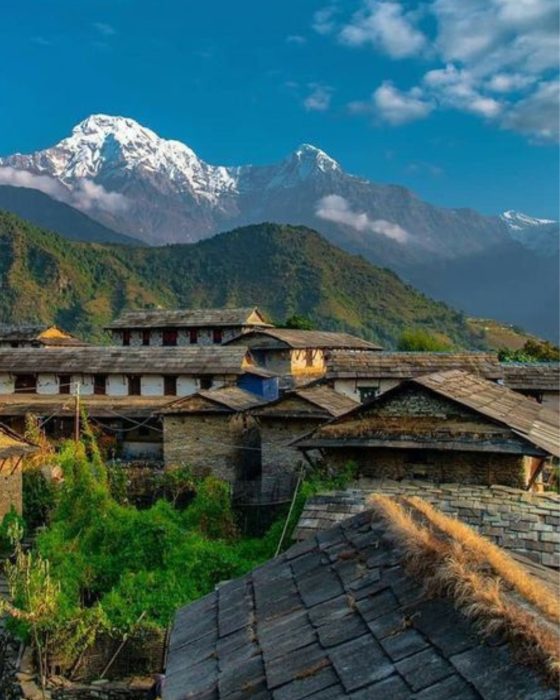
The route is often referred to as the “Eco-Community Lodge Trek” and is a alternative to the Poon Hill which is very popular. It goes up to about 3,300 meters and so it is said to have the biggest and broadest views from the three ranges – Annapurna, Dhaulagiri, and Manaslu. Apart from the sun rise on the snow-capped mountains, the most memorable thing would be the stay in the community lodges with warm hospitality of the Gurung and Magar.

Mohare Danda Trek

  • Khopra Danda Trek (7-10 Days):

What about a higher-altitude, more alpine-feeling trek but without the settlement of the base camp? Then Khopra would be the right choice. The Khopra Ridge (around 3,660m) is a moderate but challenging branch off the main Annapurna trail. There one can see the Dhaulagiri and Annapurna I from a majestic viewpoint. Taking a pilgrimage route to the holy Khayer Lake (4,660m) turns the trip from spiritual and rugged to both.

Khopra Danda Trek
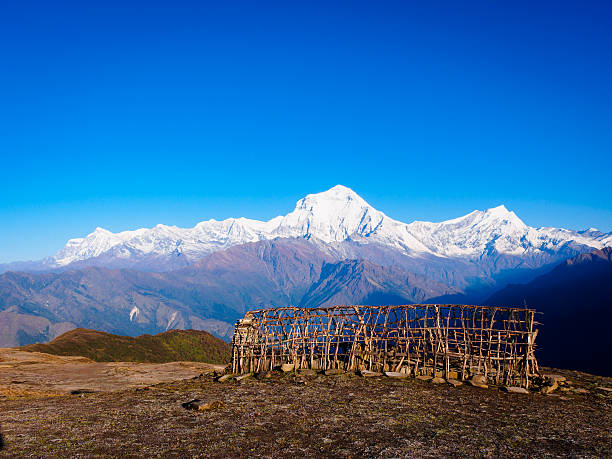
Frame of yak herders’ shelter and view to Dhaulagiri from Khopra Danda, a high ridge in the Annapurna Himalayas, Nepal
  • Pikey Peak Trek (5-7 Days)

Do you want to see Mount Everest without going to the EBC? This is the best Trail. Pikey Peak (4,065m), which is located in the Lower Everest region, was Sir Edmund Hillary’s favorite viewpoint for the ‘Top of the World. It is a culturally rich low- altitude trek with the authentic Sherpa and Rai cultures. These are two of the most remote and less known ethnic groups of the Everest region, without the commercialization of the Khumbu Valley.

Pikey Peak Trek


  • Ghale Gaun Homestay Trek (4-6 Days)

Indeed, a family with kids or a group of people attracted to the culture, would find this trek quite interesting located close to Besisahar. Ghale Gaun is a “Smart Village” known for its community-based homestay program. They let the guests deeply immerse into the rich Gurung culture with their traditional welcomes and local dances. The magnificent, close views of the Lamjung Himal and Annapurna range.

Ghale Gaun Homestay Trek

These non-traditional short treks don’t need two weeks and a special permit to have an amazing adventure in the Himalayas. If you are ready for adventure, these are treks, who prefer pristineness, community connection, and a raw, authentic experience over predictable paths. Join the off-beat treks, and you’ll discover that the heart of Nepal is not explored on the busier highways, but rather the quiet and hidden trails.


Unveiling the Himalayas: Hidden Trekking Routes in Nepal

Nepal, the land of the tallest mountains in the world, is re-known by Everest Base Camp Trek and Annapurna Circuit Trek. For the experienced explorer and a person who is looking for absolute remoteness. The real charm of the Himalayas is in the trails that are untouched by commercialization. This is an invitation for you beyond to discover the raw, authentic mountain trekking on Nepal’s hidden trails.

By moving away from the known tea-house culture. These lesser-known trips allow one to dive deep into pristine nature, old cultures, and breathtaking views. These are the routes of people who prefer authenticity and favoring a challenge rather than comfort.

Trek in Restricted Regions

Many “hidden” treks are available in Nepal. Few of them lies in locations that are geographically or culturally sensitive, known as Restricted Trekking Zones. Restricted Trekking Zones need special permits and a licensed guide to trek in the area. That limit the number of travelers in the area and preserves the experience and culture of the area.

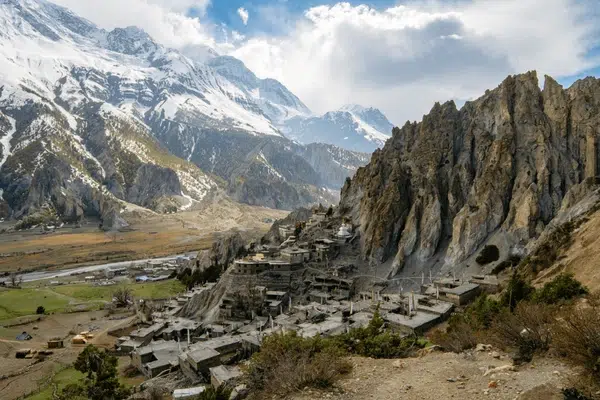
  • Manaslu and Tsum Valley Trek: This 18-to-24-day trek goes around Mount Manaslu, the world’s eighth-highest mountain. The trail to the Tsum Valley is like going back in time, a sacred Buddhist Beyul (hidden valley). People on the trek wander through steep valleys and cross the difficult Larkya La Pass. Also, witnessing the ancient and rarely visited Tibetan-influenced villages, monasteries.

    Manaslu and Tsum Valley Trek
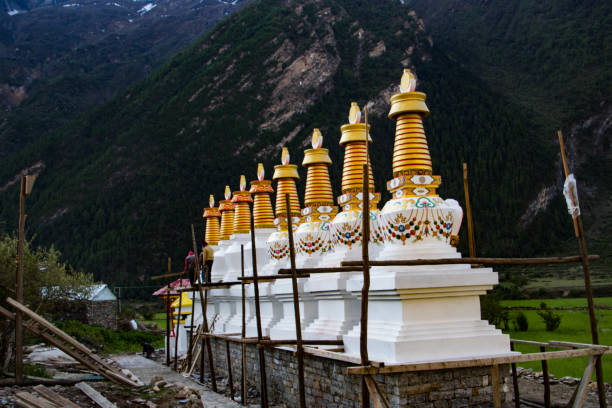
    These are the chortens from Tsum Valley Area, Nepal.
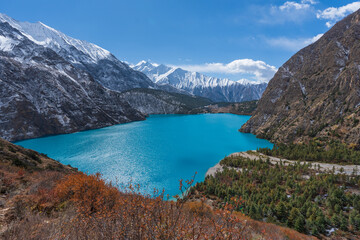
  • Upper Dolpo Trek: Immortalized in Peter Matthiessen’s The Snow Leopard, Upper Dolpo is one of the most remote and mystical regions. It is a land of high passes, turquoise Shey Phoksundo Lake, and the Bon-Po traditions, feeling more like the Tibetan plateau than Nepal. This multi-week trek demands self-sufficiency and rewards with unparalleled isolation.Upper Dolpo Trek

The East and West

Those people who are ready to go through longer and harder expeditions into the country’s sides. They will be rewarded with gigantic mountains and astounding biodiversity.

  • Kanchenjunga Base Camp Trek: This is a 20 to 26 days trek in the remotest wild of the eastern region. That led to the base of the third highest mountain of the world, Kanchenjunga. It has everything that is needed for adventurers. The ecological zones start from subtropical jungle and end with alpine ridges. More important a pleasant cultural experience with the local Limbu and Rai people is the hospitality you will never forget.

    Kanchenjunga Base Camp Trek
    The camp Base South of the Kangchenjunga just 5.142 metres in the Himalayas, Nepal.
  • Makalu Base Camp Trek: The trek will take you through the breathtaking Makalu-Barun National Park, which lies between Mount Everest and Kanchenjunga. It is a path that has become popular due to its rugged ruggedness, the glorious mountain landscape and the very different kinds of flora and fauna. Thus the trek is for those who are willing to take extreme adventures and are okay with getting camping support in the higher parts of the route.

    Makalu Base Camp Trek
    Makalu Barun National Park trek in Nepal.

Trails Closer to the Center

It is not necessary that all the hidden paths be far away or difficult. There are some hidden Trails which are closer to the famous hubs but are overshadowed by the famous ones.

  • Rolwaling Valley Trek: This high mountain trek near the Tibetan border and is well-known for the glacial lake Tsho Rolpa and the legends of the Yeti. The trek is quite hard (especially if you cross the high Tashi Lapcha Pass). But, it has a mixture of breathtaking alpine scenery, towering peaks like Gaurishankar, and a cultural experience with Sherpas
  • Pikey Peak Trek: Lower Everest region has a shorter and easier trek called Pikey Peak. It is one of the best panoramic viewpoints for Mount Everest and other giants. Thus it is a wonderful, less-exhausting, culturally rich trek that provides you with the genuine hospitality of the Sherpa. Less crowded than other trails.

These hidden routes require a higher level of physical and mental preparation. Camping is preferable but the more basic teahouses, but at the same time. They are not simply paths in the mountains; they are ways to the heart of the real Himalayas which are waiting for the few who are brave enough to find them.

Annapurna Circuit: A Journey of a Lifetime to world greatest trail

Annapurna Circuit, a journey to the world’s greatest rail, is just more than a trek. It’s an adventure and a physical challenge for body and mind. Also, immersing yourself in the stunning mountain vistas and rich Nepalese culture. This 14-day trek, which ventures into lush valleys and gigantic Himalayan peaks, will be an unforgettable journey. Where your safety is taken care of by our company’s experienced guides and porters.

Gearing Up: The Pre-Trek Set- up

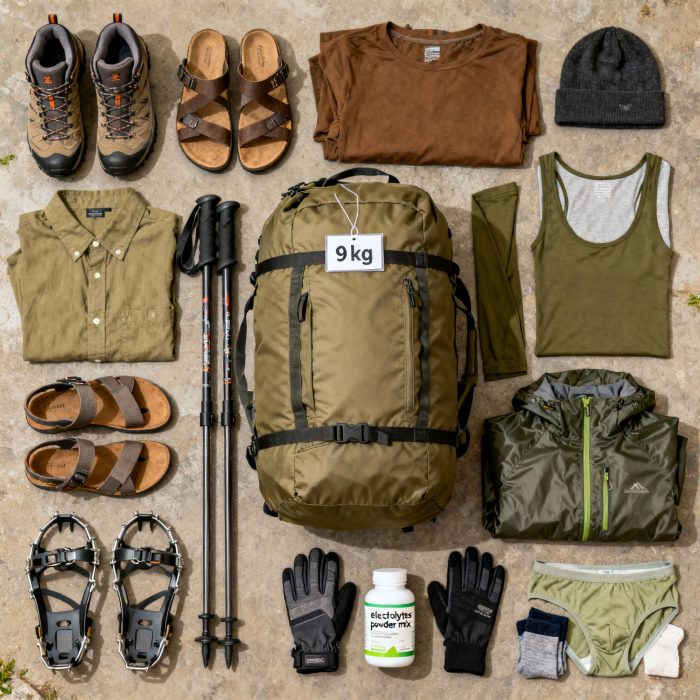
Annapurna Circuit Gear up
  • Weight Limit: Be prepared for a strict weight limit on your duffel bags, often around nine kilograms per person. Strategic packing is essential.
  • Packing List: Pack your essentials according to the list provided by the trekking company to ensure you don’t forget any crucial items.
  • Footwear: Shoes that will support your ankle for the trek, and a comfortable pair of sandals.
  • Clothing: Layering is best. Pack a variety of shirts, long sleeves, and a tank top. A rain-resistant jacket is a must. Don’t forget two pairs of gloves and a beanie.
  • Trail-Specific Gear: If you have a plan to purchase items like trekking poles and crampons in Nepal. They are readily available and affordable.
  • Hydration: Carry electrolytes to mix with water to stay hydrated.
  • Essentials: Pack enough underwear and socks for the trek, but be ready to do a little bit of laundry along the way.

The Road to the Mountains

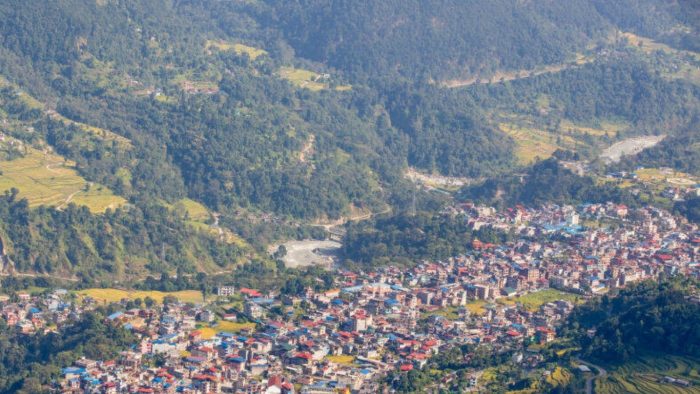
Taking a bus or a private jeep is a great way to start your trip from Kathmandu to Besi sahar, with a seven-hour drive. It is definitely worth it to book your own vehicle rather than a crowded bus. But if you want to add some more thrill, you can take public transportation.

Besi Sahar
Besi Sahar
Besi sahar

Most sections of the road are bumpy and windy, so it feels like a roller coaster. Along the way, you can have breakfast. I suggest you try the Local Nepali food called “sel roti,” a traditional donut. It has a crunchy texture on the outside and a sweet, soft caramel flavor on the inside.

The Trek Begins: Lush Valleys and Wobbly Bridges

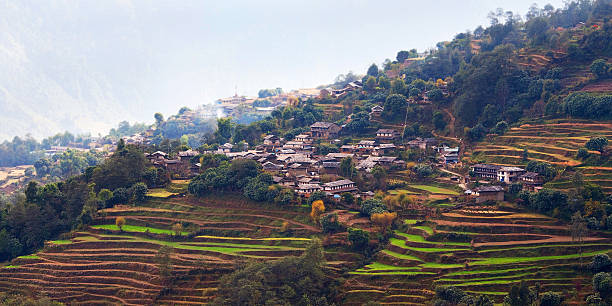
The first day of actual hiking was easy. After a big breakfast, we struck out on the trail for a distance, maybe nine or 10 miles. The first part of the walk started on a road, but quickly turned into a beautiful walk through rice fields, farms, and adorable little Nepalese villages. We were mainly in the jungle, so we were still hopeful for some high alpine mountain views. One of the most exhilarating parts of the day was traversing over a large river on a wobbly suspension bridge – it was terrifying but a thrill.

lush valley
lush valley

As you went along, you learned that the Annapurna Circuit  was a conservation area. It is listed on the UNESCO World Heritage Site and has various kinds of ecosystems. Including endangered animals, such as the snow leopard and the Himalayan musk deer. Each step on the trail felt like a promise that we were on the way to help protect nature’s wonders.

Taste of the Trail: Dal Bhat Power! 24 hours

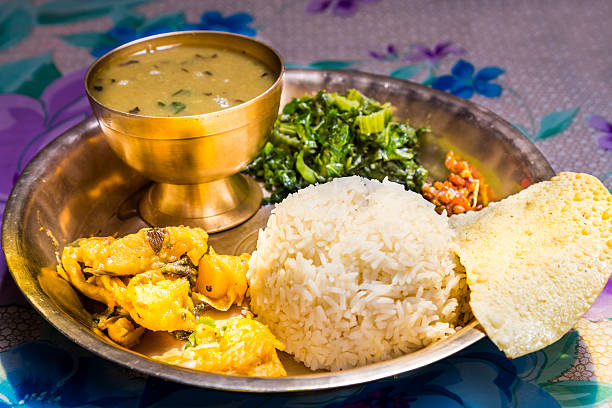
Food is an important part of the trekking experience, and you could be amazed to try all of the Nepalese dishes. The most frequent dish you will have is dal bhat, a traditional Nepali lentil dish. It is served with rice, curry, steamed spinach, and lentil soup. The best part? You can get unlimited amounts of everything! It is the perfect food for the trail: warm, tasty, and filled with carbs for walking.

Dal Bhat
Dal Bhat, traditional Nepali meal platter with rice, lentils soup, vegetables, papadum and spices.

In addition to the dal bhat, you can eat some other delicious snacks. For instance, fresh vegetable curry and momos, steamed dumplings with various fillings. In some tea houses, they sold samosas made with local potatoes, which were an excellent crispy snack to keep you going. You can also try local beverages, such as apple tea made from an orchard and sea buckthorn juice. The apple tea had big chunks of apple pieces on top and tasted like warm apple pie. These treats along the way made the hiking unbelievably fun.

The People and the Culture

The trek not only consists of physical challenges but also a full immersion in the culture of Nepal. You will be greeted, each day, with the warmth and hospitality of the Nepalese people. On the trail, we would see typical Nepalese prayer flags flattened by the wind, which were intended to carry good blessings on the wind. On the way, there are Hindu temples and Buddhist monasteries, where one can sense the spirituality and fortitude of the people.

Monasteries

Your guide and porters will fully contribute to giving you a cherished experience. They not only lightened your load as they carried your gear but also offered local knowledge and cultural insight during your trek. Arranging the trip with a guide is a good decision to support the local economy and provide employment for local people.

The High Point: Crossing Thorang La Pass

As we gained elevation, the scenery changed dramatically. The lush green forests became more alpine, with alpine pine forests viewed from a distance and snow-capped mountains. The air begins to thin, and you will find it hard to catch your breath. You have to analyze yourselves and drink a lot of water and slowly acclimatise along the way. At this high altitude, you will be amazed by the accommodations. They provide comfortable beds with attached bathrooms, and Wi-Fi access in some cases.

Thorang La Pass. At 17,756 feet, it is one of the highest mountain passes in the world. You have to wake up before 4 a.m., so you can start our long hike to the pass in the dark, utilizing headlamps and lanterns to guide ourselves. The weather was absolutely freezing, and it was a long, steep climb. The pictures were surreal, and it was all worth the frozen feet, sickness, and altitude. After crossing the pass, you can enjoy a tea house at the top, with hot tea that is worth every penny to warm our souls.

Annapurna Circuit Thorang LA Pass

While descending from the icy steep, you will need microspikes. As you descended down, there were more and more signs of civilization. After 6-7 hours of descent, you will make it to the town of Muktinath, where you can visit a Hindu temple and a Buddhist monastery with a gigantic Buddha statue. It was a beautiful way to end the most challenging part of our trek.


Carrying the Memories Home

After making the descent, you have a well-deserved easy day, taking a bus to a lower elevation from which to begin our trek. From start to finish, you will trek 93 miles and ascend over 28,000 feet.

The Annapurna Circuit Trek is a real journey of soul-searching and a trail you will hold in your hearts forever. You’ll be very grateful for the moments that you had experienced, the splendid journey in the afternoons of the Himalayas, and the warmth of the Nepalese hospitality. Remember to enjoy the adventure and the beauty of the Earth, and we hope to see you again on the next trail.

Thinking about the Annapurna Circuit? Here’s the reason why it’s so amazing.

The top three highlights of this incredible journey are crossing the incredible Thorong La Pass, witnessing lush green forests, and exploring high-altitude deserts. Along with the unreal views of the mighty Annapurna and Dhaulagiri mountain ranges.

Mountains & Nature Spots

Annapurna Circuit
Annapurna Circuit
  • Thorong La Pass (5,416m): This is the real adventure and the highest point of the trek. Submitting at 5,416 meters above sea level is a massive accomplishment, and the surrounding views of the mountains are simply unreal.
  • Annapurna and Dhaulagiri ranges: You will see some of the most renowned peaks of the Himalaya every day, including the iconic Fishtail Mountain.
  • Kali Gandaki Gorge: You will be hiking along the deepest river gorge in the world. Truly an extraordinary view.
  • Diversity of landscape: The trek is unlike anything else you’ve ever done; each day, the trek does not get stale. You start in almost tropical forests and finish in a dry, high-altitude desert that feels like something out of the world.
  • Tilicho Lake: If you’re willing to take a little detour, you can visit one of the highest lakes in the world, right under massive ice cliffs.
  • Tatopani Hot Springs: After days of walking, you will be in pure bliss soaking in these natural hot springs.

Culture & Spiritual Experience

Local Culture: Along the way, you will walk through villages of the Gurung, Manangi, and Thakali people. They are friendly and hospitable people and have great traditions to learn about.

Monasteries and Prayer Flags: The trail consists of ancient Tibetan Buddhist monasteries and colorful prayer flags waving in the wind.

Muktinath Temple: A very popular pilgrimage site for both Hindus and Buddhists, and highlights 108 water spouts.

The Villages: Manang, Jomsom, and Marpha are all lovely villages, making for great exploration. Also, an area known for its apples, and be sure to try their famous Apple Brandy!

marpha
marpha

Adventure & Fun Experiences

The Challenge: This is a true adventure! Trekking at high altitude is hard, but conquering the Thorong La pass will be something you won’t forget.

Wildlife: Look for mountain wildlife such as Himalayan tahr, marmots, and the cute little pikas. You may even be lucky one winter and see a snow leopard.

The Food: The food in the teahouses is hearty and perfect for hikers. You have to try a traditional Thakali meal.

Trekking in Nepal: An Unforgettable Himalayan Adventure

Introduction

Trekking is an activity that is conducted in nature, far from the urban area, where one can explore and enjoy the scenic beauty of landscapes. Also it is a way to immerse oneself in the environment and local lifestyle. For the unforgettable Himalayan adventure, Nepal has gained popularity in the world. Re- known as home to eight of the world’s tallest mountains that include the legendary Mount Everest, a trekking paradise. Counting this Annapurna circuit trek, Mardi himal trek are other famous trekking routes that lie in the same Annapurna Region.

If you are a real adventure seeker, Nepal has endless opportunities to challenge your endurance and strength. The country is home for thousands of trekking routes, each one a unique venture through beautiful landscapes. With diversity of vegetation and geographical structure, in this small part of the world, it amazed trekkers. Walking along the trail in the hills of Nepal, you will feel overwhelmed by the environment and its people.

The whole journey to reach the destination traversing the rivers and hills is not only part of the trek. It’s a place where you can connect with other trekkers and local people, also their real stories from the mountains. The warmth and hospitality of the Nepalese people, their culture and way of living will be the heart of this adventure trek.

For Trekking in Nepal a professional guide and careful planning are essential . If you’re planning a trek , Choose Planholidays Treks and Expedition. With over 20 years of experience in the travel industry. Our company will handle all the safety and logistics for your trip.

Choosing the Right Trek in Nepal

There is no single “right” place to trek in Nepal, every trek has its own speciality and authenticity. Some let you wander through pristine natural places, while others allow you to immerse in rich culture . That makes it an ideal trekking destination. The fact about Nepal is that it has variety for all trekkers, whether you seek challenging or a casual trek. It offers a trek that suits you. Here is a list of some of the most iconic treks for different levels of experiences.

Everest Base Camp Trek: An Epic Adventure

Everest base camp trek

The Everest Base Camp Trek (EBC) is a Himalayan adventure, and every trekker wants to experience it at least once in their lifetime. The trek has beautiful trails that bring trekkers close to the world’s highest peak. The whole journey is a mix of adventure and cultural immersion. The visitor traverses through Sherpa villages, over suspension bridges, glacial rivers, and panoramic mountain views. 

The trek from Lukla airport to the top of the world will take approximately 14-16 days to complete. The EBC trek route is challenging in relation to other trek routes, as it requires an element of physical fitness and acclimatization to the elevation during the trek. Namche Bazaar, the trading hub, and Tengboche Monastery, the holy places of the journey, are highlighted along the way to base camp.

This adventure thrill trek finishes at Everest Base Camp at an elevation of 5,364m. To see the exceptional sunrise mountain view, hike to Kala Patthar at an elevation of 5,545m. The EBC trek is a quest for the adventure seeker and personalized nature lover with memorable and delightful steps along the way.

Annapurna Circuit: A Scenic Diversity

Annapurna Circuit

If you want variety, Annapurna Circuit is an excellent choice. This classic trek offers lush subtropical forests, terraced fields, alpine meadows, high mountain passes and peaks.

It takes approximately 21 days to conclude this trek, reaching the highest point at Thorong La Pass 5,416m. The pass is challenging but thrilling. Where, trekkers reward with views of Annapurna I, Dhaulagiri, Machhapuchhre, and other peaks.

Besides difficulty and physical challenge. The Annapurna Circuit is rich in cultural tapestry. Upon following the path, you’ll pass through traditional Gurung and Thakali villages. Where you’ll encounter the warm hospitality and welcoming from locals. On the way, you can visit the holy place of Hindu and Buddhist religion “Mukitnath”.

If you have time to wander in this pristine nature, visit Tilicho Lake. Considered as the world’s highest alpine lakes, it is a remarkable trip to be explored. For better view and clear skies spring and autumn is the best time.

Langtang Valley:  Himalayan Escape Near from Kathmandu

langtang valley

Imagine a hidden valley, close to the city noise of Kathmandu, but feeling centuries apart from it. Langtang Valley Trek This trek is ideal if you are looking for a fantastic mountain trip without the hoards of people. Over 8 to 10 days you’ll tramp through lush forests of rhododendron flowers and visit charming villages of the Tamang people. It’s an opportunity to glimpse another way of life, one in which time appears to have slowed.

The entire route is a great challenge but not too difficult, and the view up top is just out of this world. You’ll be surrounded by big snowcapped peaks (like the awesome Langtang Lirung). The trek’s highlight is at the serene Gosainkunda Lake. A picturesque alpine (sacred lake) so beautiful and pure that it attracts the hindu pilgrims.

The trail is moderate, but suitable for anyone in good physical condition. Nearest to the Kathmandu valley means that logistics are easier than those involved with longer treks. It’s especially popular among those who want a mix of cultural immersion and serene scenery.

Ghorepani Poon Hill Trek: For Beginner and Families

poon hill

If this is your first trek or you are planning family trips including kids and elderly people, Ghorepani Poon Hill is one of the best options. It is a short 4-5 day trek, easy in terms of difficulty, and short torment, yet large in terms of rewards.

The trails are full of rhododendron forests, the terraced fields as well as quaint Gurung villages. At dawn, the Annapurna and Dhaulagiri ranges offer their most stunning sunrise display from Poon Hill. Better still, it’s an incredible view which is very easy to reach. Accommodation is snug, trails are walkable and well-maintained making it safe and achievable for all ages. It is among the perfect choices for folks that want to experience dazzling Himalayas views without a long as well as tough trekking.

Off-the-Beaten-Path: Upper Mustang, Lomanthang and Dolpo

off the beaten path

For adventurers who wish to have a quiet and extraordinary experience that is outside of the common trekking paths. Upper Mustang and Dolpo regions in Nepal can offer you what no place else does.

Upper Mustang, the former forbidden kingdom of Lo is a raw and spectacular desert-landscape influenced by the Tibetan plateau. Where, ancient Buddhist monasteries, caves and breathtaking mountain views are the attractions. Trekking here is moderately difficult due to the high elevation, dry weather, long days of walking and permit regulation.

People who look for solitude, wealthy culture, and beautiful wilderness will all enjoy this trek. Trekking in Nepal’s Upper Dolpo is one of the toughest treks in Nepal. It is lengthy and covers about 260 to 280 kilometers. The trek further ascends some high passes over 5300 meters and tough and remote areas. It is a memorable trek in the natural wilderness. Where, beautiful ancient monasteries, high altitude lake Shey Phoksundo, and ancient traditions are almost far away from the modern world. This trek is fittest for most experienced trekkers who love isolation and adventure.
Essential Preparation

Be Fit: The trails in Nepal are gorgeous, but they are very tough. Start a hiking program at home, preferably on hills or stairs. The fitter you are, the more you will enjoy some of the best views in Colorado instead of gasping for air with burning legs.

Be Prepared: There is nothing more important than your gear. Get a decent pair of hiking boots and make sure they are broken in to avoid blisters. You can’t hike in the Himalayas without a decent rain jacket and layering options: Weather changes quickly there. Just don’t forget, when in doubt about packing, less is more. You will be glad you took only the essentials. 

Know the Rules: Every trekking region has requisite permits. Do your research to understand what permits/what you need to have in place before you hit the trail.

Guided vs. Independent: How to Trek?

Go Your Own Way (Independent): If you are an experienced traveler working on a budget, there are many of the more popular routes that you can travel independently. This ensures maximum freedom and only costs substantially less than a guided trek, typically $30 – $40 per day including food and accommodation.

Hire a Team (Guide): If you are traveling in high altitude, or to a remote enough area, we strongly recommend that you hire a guide and/or a porter. This is not just for your safety but also cultural insight and a pleasant experience. The guide will handle all logistics, and the porter can carry your heavier bag, leaving you to hike with your light day pack. This inclusive option will typically cost you about $80 – $90 daily.

Which Trek is Right for You? A Trek that suites according to your choice

The best trek is the one that suits your personal style.

For Beginners: The Ghorepani Poon Hill trek is the ideal starting point. It’s short, easy and pays off with a sweeping sunrise view of the Annapurna and Dhaulagiri ranges.

For the moderate and challenger: If gazing upon some of the most famous peaks on earth are among your bucket-list items, then trekking to Everest Base Camp or Annapurna Circuit, which is an epic journey across mythic landscapes made famous long before you arrived.

For serenity seeker: Langtang Valley is a hidden treasure. It’s just a stone’s throw from Kathmandu, but it’s an unspoiled place with unbeatable vistas and unique Tamang culture.

For the Ultimate Challenge: The experienced trekker wanting real solitude and a unique challenge, the isolated areas of Upper Mustang and Dolpo are home to these rare landscapes where you might believe no clock, cosmic or human has ever stepped on.

Conclusion

Regardless of which trail you walk, there is something about Nepal more magical than the height of its mountains: that warmth and welcome of its people. Your trekking trip here will be a lifetime experience.


Langtang Valley trek guidance

The Langtang region is famous for the Langtang Valley Trek, which lies north of Kathmandu. Almost a week-long day journey lets you immerse yourself in the heart of the Himalaya. The trail ahead passes dense forests, small streams, and offers stunning mountain views.

For the Langtang Valley trek, you need to take a bus to reach Syabrubesi. It is also an initial point to start the Ghosaikunda trek and the Tamang Heritage trek. In a route, you will see the terraced fields, small villages, alluring hills, and the Tirshuli river. 

Following the trail, you will pass through villages built with stones. Along with many walls carved with Buddhist prayers and colorful prayer flags. This region is also an ancient trading route between Kathmandu and Tibet. So, people of this place follow Tibetan Buddhism and Shamanic practices. Their traditional dance, music, food, house styles, and daily routines have remained today. This reveals how they have been deep into their culture and land for centuries. Also, their unique identity and the belief system they follow.

For beginner-level trekkers or hardcore adventurers. The Langtang Valley trek offers you exposure to new cultures and diversified landscapes. Throughout your trek, Planholidays Treks and Expeditions will ensure your lodging and food. And our expert guide ensures your safety and navigates the trail.

Facts about Langtang Valley Trek

  • Duration of the trek: 8-10 Days (drive to/from Kathmandu)
  • Overnight stay at high Elevation: 3,900m (Kyanjin Gompa)
  • Max Day Hike Elevation: 5,000m (Tsergo Ri)
  • Difficulty: Moderate
  • Best Season: Spring (March-May) & Autumn (Sept-Nov)

History, Traditions, and Lifestyle of the Lang Tang People

It is believed that the Tamang people of Langtang Valley came from Tibet in the 7th century. Following the order of the Tibetan King Srong-tsen Gampo to attack the Kathmandu valley. Later, they settled in that region and became horse traders between Nepal and Tibet. In Tibetan traditions, ‘Ta’ means horse and ‘Mang’ means trader, so Tamang are taken as horse traders. People of this region follow Buddhism, shamanism, and animism. For communication, they speak both the Tamang language and the Tibeto-Burman Language.

In traditional dress, men usually wear a Bakkhu (a long robe tied at the waist) with a topi (traditional cap).   Whereas, women wear blouses, skirts, and striped aprons, with jewelry called Yungri necklaces made of silver.

Rearing sheep and yaks is the major occupation for the Langtang Valley people for a living. Also, cultivate the seasonal crops like potatoes, barley, wheat, and millet. Plus, they operate homestays and lodges during the tourism season as a source of income. Visiting the yak cheese factory in Kyanjin Gompa offers you to explore the cheese-making process and taste it.

Tourism has played an important part in shaping the economy of the Langtang Valley. After the devastating earthquake of 2015 A.D. They had started constructing tea houses and homestays, and also provided porter services. In the Langtang Valley trek, you will be stunned by the generous hospitality of the Langtang people.

Buddhist Beliefs and Shamanistic Sacred Practices

People in the Langtang region are mostly Tibetan Buddhists. They follow Buddhism and practice Shamanism. Both aspects share the same similarities, but their beliefs and practices differ. In Buddhist philosophy, they emphasise inner transformation. The main focus is to transcend the cycle of rebirth (samsara) and achieve nirvana.

While in shamanism, they believe in healing and maintain balance with natural and spiritual dimensions. Through rituals, trance states, and spirit communication. To do this, Lamas (Buddhist priests) perform rituals and recite scriptures. As conducting ceremonies such as name giving and funeral rites. While Bonpos/jhankris, the shamans, are the intermediaries between the human and spirit world. They are often involved in healing rituals and exorcisms, usually requiring animal sacrifices.

There are two sacred religious sites of the Tamang people, one lies at Langtang village, and the other in Kyanjin. According to the legends, Guru Rinpoche dropped a letter from the sky on Kyanjin. The letter prescribes the instructions from Guru Rinpoche to build four monasteries. It was an extreme challenge for the villagers to build 4 monasteries at that time, due to a lack of resources. So, they built 2 monasteries. These monasteries have deep religious importance for the Tamang communities. While doing the Langtang Valley trek, you can experience these two sacred relics of the Tamang communities.

Festival and local celebrations

Sonam Loshar

People of Langtang Valley celebrate the Sonam Loshar, which is a new year festival that falls in January or February( Magh in Nepali calendar). It marks the beginning of the Tamang New Year and changes in the 12-year cycle of the Tibetan Zodiac sign, based on animals. This is a time for family and relatives to gather and enjoy feasts. They also perform traditional cultural dances like Tamang selo, with a damphu (tambourine-like drum). Celebrations often take place near monasteries like Kyanjin Gompa.

Dumje festival

The local festivals celebrated in the Langtang valley include the Dumje Festival. This festival happens near Kyanjin Gompa. Where locals wear masks of different deities, animals, and humanoid mythical figures. The mask dance is not considered a performance, but a sacred ritual done by monks and tantric practitioners in honor of Guru Rinpoche, who is renowned as the founder of Tibetan Buddhism. On this special day, the Tamang and Sherpa communities also replace the flag of the Gompas. And also receive blessings from lamas, believing that one can get good health and prosperity in life.

Buddha Jayanti

Buddha Jayanti is the day to commemorate the Buddha’s birth, enlightenment, and death. Various prayers and rituals are conducted at the monasteries of Langtang Valley. This precious event brings the community together in local monasteries like Kyanjin Gompa. During this time, Monks and Lamas chant the sacred mantras, creating a calm atmosphere. Whereas devotees offer butter lamps, fresh flowers to Buddha statues. 

Tamang Cuisine  and food in Langtang Valley

Cuisine and food are prepared based on the ingredients found in the surrounding area. The most common crops found in Langtang Valley are buckwheat, millet, and corn. Because of the unfavorable climatic conditions, there were fewer green vegetables. So, to preserve, they make gundruk (fermented spinach).

The food you will find during the trek includes corn or millet porridge served with Gundruk, Dal bhat, Buck wheat bread, and Tibetan chapati. You can also try locally made beverages like yak butter tea with salt, homemade Chhyang (millet beer), and buckthorn juice.

Basic accommodation can be found in the Langtang Valley Trek

  • Accommodation: You’ll find private rooms at most of the hotels, sometimes even with an attached private bathroom. Some places in the route, such as at Lama Hotel, can provide basic facilities. But many guesthouses, which were rebuilt post-2015 earthquake, are often quite nice. The only heated room will be the dining room, usually with a stove. Bring your sleeping bag. If you don’t want to use the hotel bed. 
    • Toilets: A mix of sit-down and squat.
    • Showers: Hot showers are often available, but sometimes it’s just too cold to take a shower.
  • Electricity & Wi-Fi: Some villages have hydropower; otherwise, it’s solar. You can usually charge devices daily, but expect to pay around 300 rupees for it. Wi-Fi is rare, but a Nepal Telecom SIM card might give you data coverage in many areas (signal depends on the weather!).
  • Food: You’ll eat at a guesthouse.
    • Breakfast: Porridge, eggs, pancakes, chapati/Tibetan bread with toppings (honey, jam, yak cheese).
    • Lunch & Dinner: Dal Bhat is the best! A big plate of rice, lentil soup (dal), veggie curry, and papad. It’s nutritious and fulfilling – “Dal Bhat power, 24 hour!” You’ll also find momos, noodle soups, pasta, fried rice, instant ramen, and mountain pizza.
    • Drinks: Hot teas, instant coffee, hot chocolate. Soft drinks like beer and even rum are available, but alcohol at altitude isn’t recommended for acclimatization.
  • Drinking Water: Bring a refillable bottle and a purification method. Tablets or a UV filter pen. This saves you money (bottled water is ~$2.50), which is costly. Using reusable bottles helps the environment. Stay hydrated, always!

 Music and dance forms in the Tamang community

Traditional music and dance forms have their importance in the Tamang community. Damphu and Tungna are traditional musical instruments. These carry an essence in their tradition and are often used in events like weddings, special occasions, rituals, and festivals. Also, they perform Tamang selo, where different dance styles with songs, humor, satire, sorrow, and joy will be expressed.

If you do the Langtang Valley Trek at the time of festivals or occasions, you will have a chance to experience it. But due to the modernization in communities, lots of traditional folklore and folk music have become extinct. So, to protect the remaining culture from extinction, the community should have unity and know its value.

In Buddhism-related rituals, Lamas often use a different kind of Musical Instrument. These include Vajra and bell sets, Large cymbals, Tingsha, Gongs, Drums, Conches, Damarus, chod drums, and Tibetan Trumpet. During special occasions, they perform the cham dance, a costumed ritual dance, which symbolises the victory of god over evil. For Shamanistic rituals, they use Dhyangro(drum), which is applicable while performing rituals. Striking dhyangro and spell mantras are part of invoking spirits and treating disease.


Sustainable Architecture of traditional Tamang houses

The Tamang houses in the Langtang region were constructed based on an environmental adaptation. They have used materials that are available in the area, like stone and wood. All houses in the region are two-story structures that keep heat on cold nights and provide cooling in summer. Roofs are often designed slope to shed heavy snowfall, and covered with slate or wooden shingles.

During the Langtang Valley trek, you can visit Goljung and Gatlang villages to explore traditional houses. Where local materials are available and used to make houses, that helps to reduce building costs. Mainly Wood and stone are used, which are biodegradable elements, causing less impact on the environment. So, Traditional houses in Langtang are living evidence of adaptive sustainability.

Best Time for Langtang Valley Trek

  • Spring (Mid-March to April): For the Langtang Valley trek Mid mid-March to April is considered the best time of year. If you plan to trek, you can see the beautiful Rhododendrons blooming, generally clear skies, and snowy mountain vistas.
  • Autumn (October to Mid-November):  October to Mid-November is the absolute time for the trekkers. where Crystal-clear skies, lush landscapes, moderate temperatures, and stunning mountain views. In this season, there will be more crowds than usual, but it’s worth it to visit and enjoy the scenery.
  • Mid-Seasons (Early March, Late November/December): At Mid-seasons, fewer people trek. During this season, you can see mesmerizing views of hills and peaks, and favorable weather conditions. December offers clear skies and mild temperatures.
  • Monsoon (June, July, August): In the Monsoon, the paths will be too wet, too cloudy, and lots of leeches. Views disappear. But if you are an ecophile and adventurous. You can even trek in monsoon; it will be a unique experience.
  • Winter (January, February): Winter brings extreme cold, lots of snow, and many guesthouses are closed. Unless you’re an extreme winter trekker, skip it.

Essentials packing list

  • Layers: Base layers, fleece, an insulating layer (down jacket), windcheater jacket. If you travel in summer, a raincoat is necessary.
  • Footwear: Hiking boots or shoes are crucial. Micro spikes are needed when climbing higher sections like Tsergo Ri if there’s snow.
  • Sleeping Bag: Essential for warmth and hygiene.
  • Trekking Poles: useful for the rocky path, prevent knees while descending
  • Head Torch: For early mornings or power outages.
  • Water Bottle/Bladder: Purification tablets ( aqua tabs)
  • First Aid Kit: Blisters, basic medication for pain, altitude sickness medicine (Diamox). Consult a doctor before taking it.
  • Essentials: Passport, travel insurance details, power bank, snacks.

Safety & Acclimatization:

          Your health is important.

  • Acclimatization is Key: ( Our 8-day) itinerary was designed for better acclimatization. The standard route sometimes has a high altitude section (e.g., Lama Hotel at 2,500m to Langtang at 3,500m in one day).
  • General Rule: Above 2,500m, ascend no more than 300-500m a day for sleeping. Add an acclimatization day.
  • Kyanjin Gompa Stay: Staying in Kyanjin Gompa lets you do both Kyanjin Ri and Tsergo Ri without rushing, and allows our bodies to properly adjust to the altitude.
  • Guides: A guide is important. For handling logistics (transport, accommodation, bills). Also can pre-book rooms and offer invaluable cultural insights. Add to this, they’re a massive help if anything goes wrong.
  • Porters: You can also hire a porter to carry your main bag, leaving you with just a daypack.
  • Drones: Extremely expensive and complicated permits. So drop your plan.

Cost & Inclusions/Exclusions: What to Budget      

          Costs vary depending on how you trek.

  • Per person: Budget around $24 per day. This covers the cheapest accommodation, basic meals, and public bus transport.
  • All-Inclusive Package (with guide, nicer accommodation, private jeep): Expect to average around $100 per day.

Permits and Regulations

  • Langtang National Park Entrance Fee: For the Langtang National Park entrance fee, you have to pay around NPR 3,000 (about 25$ -30$). You’ll pay this at the entrance gate.
  • TIM’s card: It is necessary for trekker safety, which will cost NPR 2,000 (about $16 USD). For individual trekkers, NPR 1,000 (about $8 USD) for those trekking with an organized group
  • Guide Rule (as of April 2023): The Nepali government announced a rule where a guide is mandatory for all foreign trekkers. Before your trip, check current trekking forums or Facebook groups for the latest on-the-ground info. The situation can change.

Why Choose Planholidays for this Trek?

Over a decade of working in the travel industry, Plan Holiday stands out as the top destination management company. Partnering with us for the Langtang trek will be a fantastic experience. The team of our company, who organized everything perfectly, and our guides, who are knowledgeable, experienced in their job. Help you introduce the places, culture, lifestyle, and tradition. Which will be unforgettable memories to you (for life long).

Conclusion

Langtang Valley Trek is the most suitable (8 days )trek journey for beginner or moderate trekkers. With breathtaking Himalayan scenery, rich Tamang culture and hospitality, also rewarding challenges. The charm of these places, plus they are less crowded than other popular areas. This provides the trekkers a memorable Himalayan experience, which will remain in their mind (for life lifetime).

FAQs of Langtang Valley Trek

1. How long is the trek?

6-8 days for the trek, plus 2 days for arrival and departure to/from Kathmandu.

2. Do I need a guide?

The current official rule says yes (since April 2023). However, enforcement varies. Best to see the present trekker forums for the latest news. But a guide is needed for safety and logistics.

3. Can I trek solo?

Possibly, it is safer and convenient to hire a guide.

4. What’s the food like?

Teahouse, in common diet includes Dal Bhat, noodles, and basic Western options. Filling and nutritious!

5. Are there ATMs on the trail?

No. Carry enough cash.

6. What if I get altitude sickness?

Ascend slowly, hydrate your body. Your guide will oversee you. If severe symptoms arise, descent to lower elevation is the only cure.

Things to do while you are in Nepal

Nepal is a multicultural and naturally beautiful country located between India and China. It is well-known around the globe for the wide range of attractions that it offers to tourists. With lush hills, snow-capped mountains, pristine lakes, roaring rivers, mesmerizing landscapes and dramatic scenery. Moreover, there is no doubt that Nepal is a heaven on earth. It has a geographic and topographic variation as you move from the north to south or east to west. Here are some of the things to do while you are in Nepal.
The northern part of Nepal is covered by the mighty Himalayas. The snow-covered mountains with breath taking beautiful glaciers and lakes stands tall towards the north of Nepal. As you move downwards, the deep forests with rich wildlife covers the hill region of Nepal. The southern part of Nepal is flat terrain of Terai with picturesque beauty of nature and wildlife.

Similarly, the eastern to western range of Nepal also has a wide diversity in terms of culture, geography, ethnicity and community. This diversity leads to some of the major tourist attractions as it offers a wide aspects to explore in close proximity. There are many interesting things, ideas that might get you excited for your plan your holidays in Nepal.
Things to do while you are in Nepal

Plan a visit to historical places and World Heritage Sites

The best way to get to know any place is through its history. The country has a brave history which is still preserved in the museums and historical sites. On your visit to Nepal, do not miss out exploring the historical sites of your destination to gather additional experience of travel. 

Also, you would not want to miss the 10  best places in Nepal which have been enlisted in UNESCO’s list of World Heritage Sites. Among these 10 places, the seven heritage sites are inside Kathmandu valley which makes it possible to visit all of them in a very short interval of time. However, the rest three are located outside the capital. These World Heritage Sites in Nepal are Bhaktapur Durbar Square, Kathmandu Durbar Square, Bouddhanath Stupa, Changu Narayan Temple. Also include Pashupatinath Temple, Patan Durbar Square, Swayambhunath Stupa, Lumbini, Chitwan National Park and Sagarmatha National Park.

A brief visit to historical places and World Heritage Sites is a great idea to understand the history, architecture, culture and beliefs of diverse communities residing in Nepal.
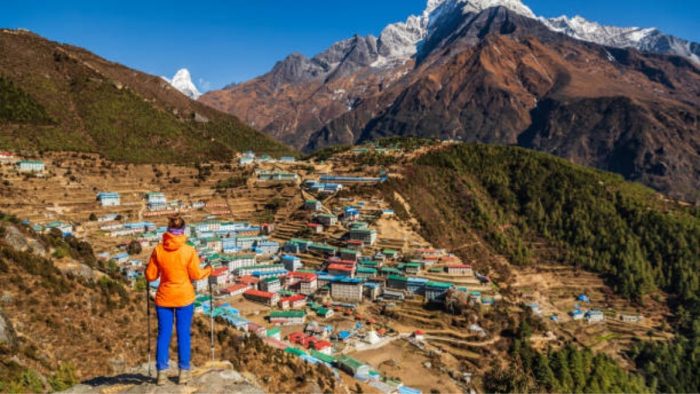
Go on treks and hikes

The diverse geography of Nepal has turned out to be a paradise for trekkers and hikers from all around the world. You get so many options to choose from. In fact, you can look for a trekking or hiking route around your destination here in Nepal. Majority of the tourist destinations here in Nepal offer hiking and trekking trails. Mardi Himal Trek, Annapurna base camp trek, Everest base camp trek, Langtang Valley Trek, Nagarkot Hike, Champadevi Hike, Ghandruk Hike, Poon Hill Hike, etc. are some of the treks and hikes that might excite and Things to do while you are in Nepal.
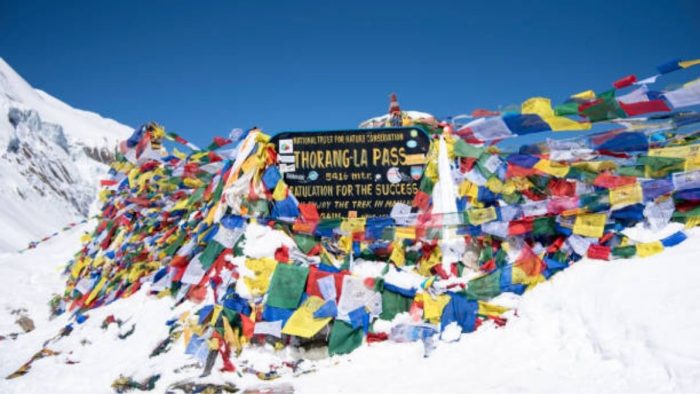
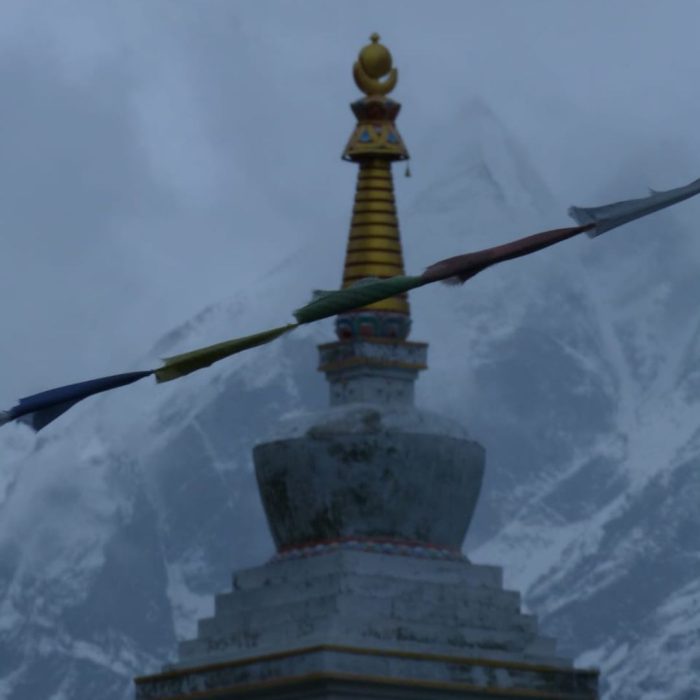
Opt for adventure tours and activities

Lately, many tourists are attracted by the growing adventure tourism in Nepal. If you are someone who loves adventures, then rafting on the fast-flowing rivers of Trisuli, bungee jumping from a daringly high tower, kayaking and canoeing are some of the fun activities you definitely should try out. Other than these adventure sports, exploring the world’s highest mountain peak, Mt. Everest or hiking to some of Nepal’s most rural yet beautiful areas can be an exciting idea too! 
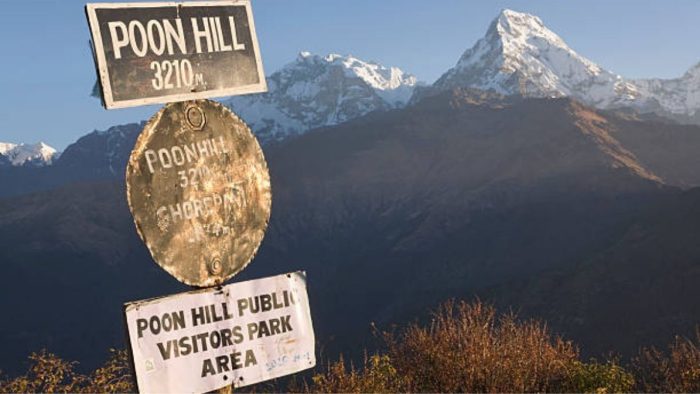
Try spending your vacation here

Vacations are short but the memories created on vacations last for a lifetime. The best destination for you if you plan on traversing through exciting memories in a short time. In addition to this, the warm hospitality of people in Nepal would ensure you a home-like feeling away from home. The country has many fun activities to choose from which would definitely make your vacation memorable. You can spend your vacation by enjoying in some of the major cities in Nepal or in serene places away from the city chaos. 

Try local cuisines

Because of the cosmopolitan mixture of various ethnic and cultural groups, Nepal also offers some authentic delicacies and some local cuisines throughout the country. You should definitely try out local places or restaurants for local cuisines. The mouth-watering mixture of spices brought together in a perfect proportion is sure to excite the taste buds of anyone. Furthermore, every dish has cultural significance, do not forget to explore more about it when you try the dish. ‘Thakali Khana’, ‘Newari Khaja’, etc. are some of the dishes that are linked to a specific community. 

We hope that your visit to Nepal becomes a comfortable one. Happy traveling!

Pros and Cons of travelling to Nepal alone

Nepal is host to arguably one of the oldest civilizations in the world. Often referred to as the center piece of the Buddhist religion, Nepal has a beautiful and diverse culture worthy of admiration by people around the globe. In this segment, we’ll go over a few Pros and Cons of travelling to Nepal alone . Note that it isn’t necessary that these might apply to you. However, it’s best to go over all of these before you book your ticket! 

If you’re planning to travel to Nepal in the near future, then you’re on the right track. The reasons why you should go for this track are plenty. However, to make the most of your trip, you need to take things at face value as opposed to what they might seem to be.

hiking
hiking and mountaineering

Pros:

Improves language skills 

The best benefit that solo travelling to Nepal will present you is an improvement in your language skills. Since the majority of Nepalese people don’t really speak English, this is a great way to work on your language skills all by yourself.

However, it’s important to mention that the bulk of the populace is fluent in English.

Cathartic self-discovery

The collective region of South Asia and Nepal is that which is often submerged in spirituality. If you’re travelling alone, Nepal can definitely serve as a stepping stone for your journey towards spirituality. 

If you’re travelling with a group, there’s a decent chance that a few individuals might have some reservations about the experience that focus primarily on meditation and other practices famous in the region. 

Cost-effective 

The main benefit that travelling alone to Nepal is that it will save you money down the road. Generally speaking, currency conversion ensures that you’ll be well-off in Nepal. Likewise, saving an extra buck can also come in handy. 
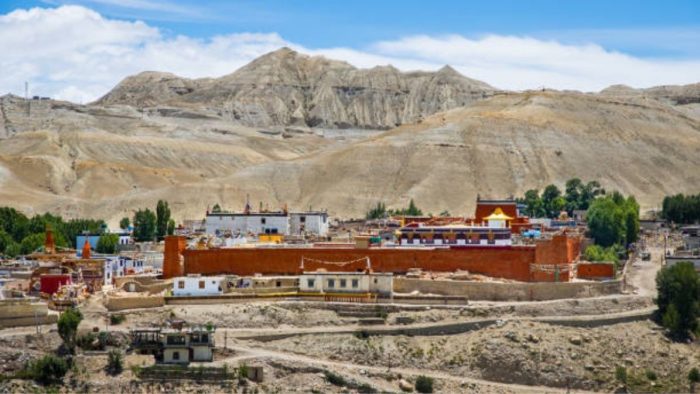
Furthermore, it’s also easier to get accommodation since you’ll only need a place for one! 

Cons:

More susceptible to danger

Travelling alone to Nepal can leave you susceptible to all types of danger. However, these dangers are those that can be found virtually anywhere. The common protocol here is that you should be smart with your encounters and transactions. 

Common sense is the best tool that you have. Don’t be too quick to trust someone, because there are plenty of con-artists who are waiting for the next unsuspecting tourist.

Hiking and off-road travel can be dangerous

Nepal is famous for its off-road hiking and mountaineering tracks. If travelling alone, this is one option that needs careful consideration. This is because getting lost in the woods and on these trails is more normal than you might think.

The general guideline is to hire a tour guide who can stay with you throughout this part of your trip. This is for your own benefit. These are Pros and Cons of travelling to Nepal alone,  Remember it’s better to spend a little money and be safe, as opposed to being sorry.


Tips to plan adventure holidays in Nepal

It gets a bit chaotic when it comes to planning your adventure trip. Plan Holidays addresses all your needs and hence has come up with this blog on all the tips you’d want to plan an adventure trip to Nepal. Here we give some tips to plan adventure holidays in Nepal. Happy reading!
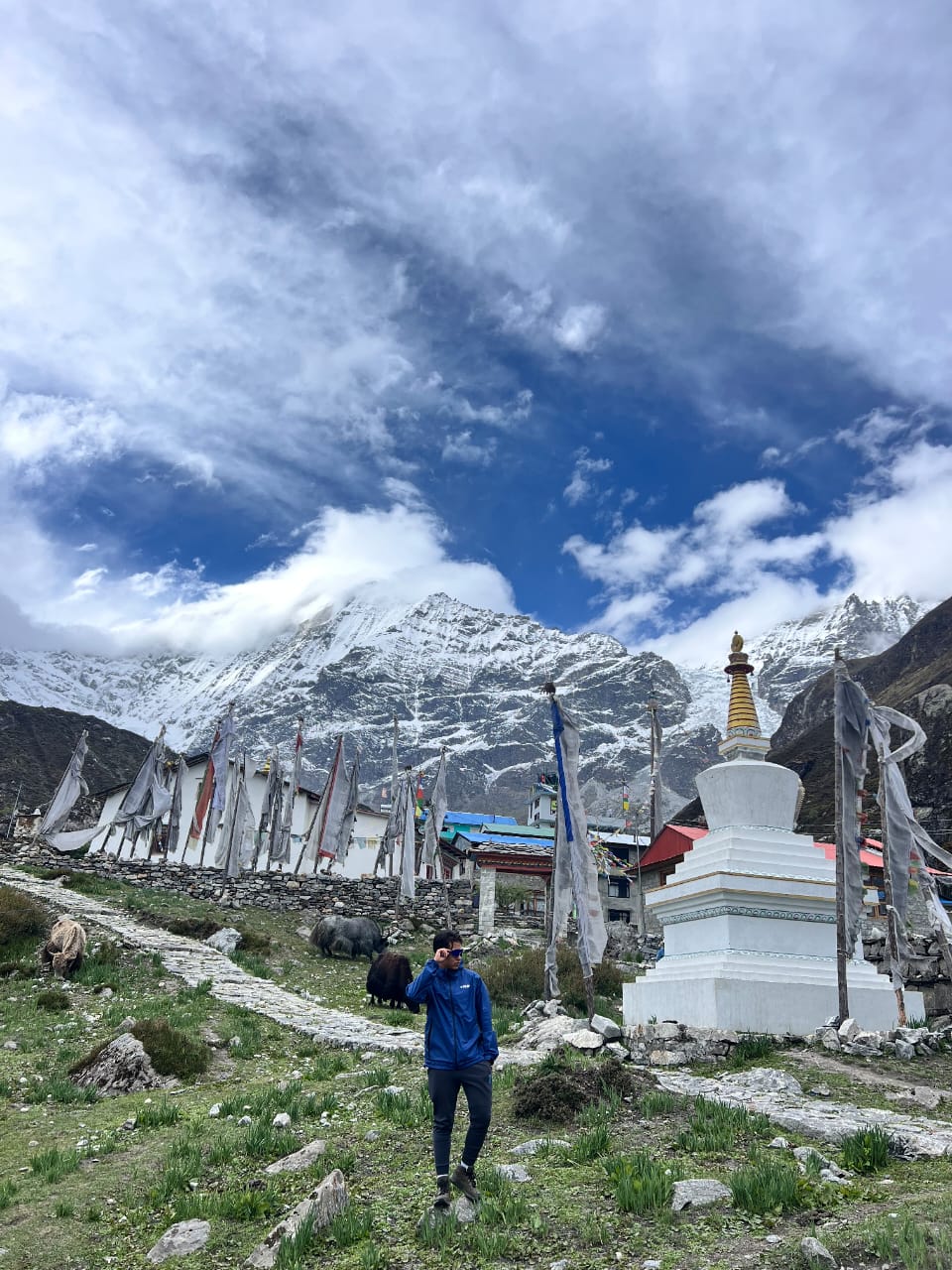
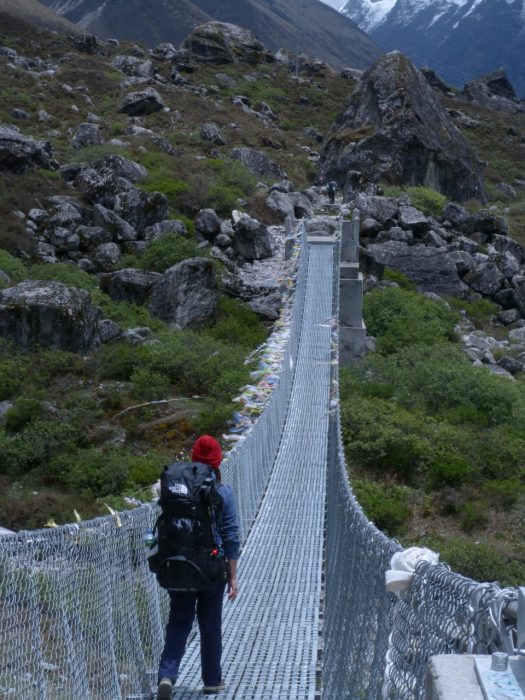
Do a proper research about your destination

It is always a preferred idea to know what you expect from your destination. It saves your time and makes your journey even more pleasant. Doing a proper research on your destination not only helps you to set your benchmark but also helps you on what you need to pack, what precautions to take, what issues to avoid and where to start from.
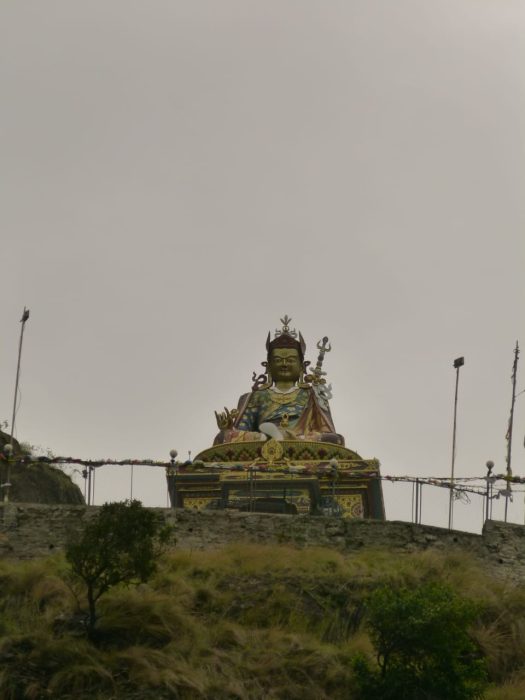
Travel blogs from travelers who have visited the destination before helps a lot. Also, travel magazines and guidebooks can serve as good references.

Trust what your friends recommend. After all, you cannot avoid all the difficulties but you can surely reduce it by learning lessons from somebody else’s experiences. 

Do some research but do not expect to get all organized. Adventure trips are more fun when taken spontaneous!

plan adventure holidays
Bardia Superior Package

Pack light, pack proper

Now this is a travel tip most of the adventure travelers from all around the world look up to. Packing is an art. What you should realize is that you can always buy the secondary necessities in your destination but you should not forget the most important items while packing. First make a checklist of all the outfits, gears and equipment you would want during the journey. Then, sort out your priorities. If you don’t find something that important, don’t pack it; it’d only take up unnecessary space.

After you’re done with the checklist, get prepared with a luggage or a suitcase that best fits your travel guidelines. If you are allowed to only have a luggage weighing 20 kg, let’s say, you would not want your luggage to weigh out most of it.

The rest of the amenities that you use most of the time, like sanitize, keep it in the hand carry. It sounds simple but is effective. 

Documents and Finance

While choosing an international destination, documents and finance are something you would not want to forget because in the absence of either of these two, you’d either won’t get into or out of your destination.Before planning your trip, make sure you have all the required documents as per the country’s entry requirements. Then, check out for the currency.You should do this in your planning phase because documents require time. If you are up for some adventure sports like rafting, mountaineering, bungee jumping or trekking here in Nepal, make sure you have all the necessary permits.

Always keep copies of your important documents and some reserve cash. You never know what you will face in the destination, so be prepared for all of it. 

Packing the perfect outfits

Before you head out for a trip and plan adventure holidays, always have an idea of the weather conditions in your destination. Pack your outfits accordingly. Also, have a plan on what kind of trip are you looking out for. If you are heading for an adventurous trip, pack your outfits according to the adventure needs with proper gears and equipment. Take most of your sports wear and only a few casual wear with you.

Also, don’t forget that you would want to buy some outfits in your destination too. So make space for it beforehand and that way, you are not gonna end all messed up while returning.

plan adventure holidays
Kali Gandaki River Rafting

Always prioritize your health

Remember that even if everything goes as planned, you would not be able to make the most out of it without proper health. Pack all the necessary medicines including the medicines that you have been consuming. Make a separate space for medical kits in your luggage. Keep yourself hydrated and stay away from allergic and raw foods. 

Consider your health conditions before opting for any adventure sports. If your health does not support it, it is not worthy no matter how appealing it might seem like. 

Travel Insurance

It is always better to have proper precautions than to regret later. You are traveling somewhere outside of your comfort zone, so you should be prepared for all kind of consequences it might offer. Travel Insurance is the best idea to get you covered.

Trip cancellation insurance, travel-medical insurance and medical evacuation charges are some of the insurances that will get you all covered up. That way, you wouldn’t have to worry about not having your investment refunded or having some serious injuries. 

Choose your travel operator wisely

Last but not the least, the travel agency that you choose eventually affects your journey. While choosing your tour operator, safety and reputation should outweigh the price. With Plan Holidays, you would be able to make the best out of your trip. Owing to 20 years of a reputable establishment in the tourism industry, we assure you that you would leave satisfied and happy Tips to plan adventure holidays in Nepal. Come join us and make your adventure trip a memorable one!


Beginners guide to peak climbing in Nepal

Nepal, widely known as the lap of Himalayas, is known as so for a reason. The tourists from all over the world don’t only get spellbound by the natural and scenic beauty but also admire it for the full range of Himalayan activities it offers. If you love to gather experiences of Himalayan activities, Nepal is undoubtedly a country you would not want to miss. Mountaineering and Peak Climbing in Nepal have been one of the major tourist attractions. Nepal has been the top destination for mountaineers and climbers to achieve a lifetime experience and record; after the first successful expedition on Mount Everest by Sir Edmund Hillary from New Zealand and Tenzing Norgay Sherpa from Nepal on 29 May 1953. Here we are giving the Beginners guide to peak climbing in Nepal.

peak climbing in Nepal

Nepal offers visitors with more than 1310 peaks, which are over 5500 m, with the highest being 8848 m above the sea level. Most of the mountains are open to climb. However, some of them have not yet opened. These wide ranges of peaks are categories as trekking peaks and expedition peaks. Nepal Mountaineering Association has 18 trekking peaks over 6000 m to 6500 m under it for the trekkers to explore while in their journey to Nepal.

Every peak climbing experience can differ in accordance to the type of peak. But, it is generalized into one whole idea of an essential guide. So, if you are looking forward to peak climbing in Nepal, here’s a list of a few things you would not want to miss:

1. Plan your journey in advance

It surely is a preferred way among the travelers to explore spontaneously, but when it comes to peaks, you might not want to do that. It is always wise to plan your trip. Do some research regarding the altitude, technicality, and previous trekking experiences. Know your destination before you plan to reach one.

trekking in nepal
planning trekking

2. Climbing Gears

Since exploring the trekking peaks in Nepal does not require any mountaineering skills, climbing gears can surely be your companion throughout the journey. Climbing gears are readily available on rent from Pokhara and Kathmandu in case you don’t look forward to buying it. 

Climbing gears ensure you with safety and precautions. Furthermore, it is always advisable to carry a medical kit with you for further protection.


3. Opt for base camps of the peaks

Along with the climbing gear, you can also opt for trekking to the base camps of the ridges so that you get acclimatized once you get to the top.

4. Stay on route

It is always the best idea to hire an experienced guide who can help you explore the peaks in safer ways. The guides can also help you with the knowledge of rock climbing, how to walk on icy pathways, techniques of using the rope knots, and any other dangers. 

Always try to trek with a guide. If not, at least travel with someone from the community who has been to the peak before. Always follow the instructions and stay on route. Don’t overlook their advice. Know that they have been there before and know how things back.

trek with a guide
trek with a guide

5. Travel insurance

The purchase of travel insurance will get you prepared and assured both economically and mentally. Before you decide to explore the higher altitudes of Nepal, it is better to get yourself a travel insurance that covers at least 6000 meters of a helicopter rescue operation.

These are some of the tips for Beginners guide to peak climbing in Nepal. Find more of similar travel tips on our websites. 

Everest base camp trek: Quick guide

Before setting off for any adventure, it is of utmost importance that you first set a base. It will serve as your primary retreat if things don’t go as planned. Furthermore, an Everest base camp trek will also help you get accustomed to how things work in that particular region.
As far as mountaineers and trekking go, the base camp for Mount Everest is arguably the most famous one. Since the regions host a bunch of the most prominent mountains on earth, it’s only natural to assume that you need to familiarize and learn as much as you can about the trek that lies ahead. In this segment, we’ll be going over the essentials.

everest base camp trekking tips
Everest base camp trek

The two main camps

The two main base camps for Mount Everest are on opposite sides of the peak. The southern base camp lies in Nepal, whereas the Northern base camp is in China, Tibet. Both of them sit at about the same elevation and are roughly 3000 m below the summit.
The base camp in Nepal is at an altitude of 5,364 meters, whereas the one in Tibet is at 5,150 meters.

Best time of travel

If you’re considering giving Everest a shot, then there are two distinct trekking seasons to find. The first one is pre-monsoon (February, March, April, May), and the second one is post-monsoon (September, October, November, December). However, it is recommended that you opt for either February or September. Going mid-season might result in increased ticketing and budget, whereas going in January or late December means you’ll be packing extra for the cold and extreme climate!

Setting a budget

The budget breakdown for the whole trip depends entirely on where you decide to spend. Furthermore, the minor details involved can be tweaked to your preference. For a 12 to 15 day trek, anticipate investing about $1400 to $1700 or more than that, depending on your luxury. As it will include permits, local flights, accommodation, and food.

Essential equipment

The clothing and equipment mentioned below are those that people don’t account. If you want to have a safe and comfortable trip, don’t forget to pack these!

  • two-liner socks
  • Two pair trekking pants with zip-off bottoms
  • two fleece sweaters (lightweight/heavyweight)
  • two trekking shirts (short-sleeve)
  • Quick-drying long-sleeved base layer shirts
  • Trail shoes
  • Liner gloves
trekking the EBC

Safety precautions

In situations such as these, a slight mishap has the absolute probability of resulting in death. Hence, you need to make sure that you commit the safety precautions to heart and follow them with the due diligence they deserve.
1. Keep yourself hydrated and gradually attain height. Furthermore, make sure you consume enough calories. In the absence of these, you run the risk of contracting Acute Mountain Sickness.
2. Keep track of your health insurance and make sure it has you covered in the event of an emergency.
3. Always follow and listen to the trek guide.
4. Don’t try to look for more accessible or alternate paths for the sake of adventure.
5. Always keep a whistle with you so that you can attract attention if you’re in trouble.