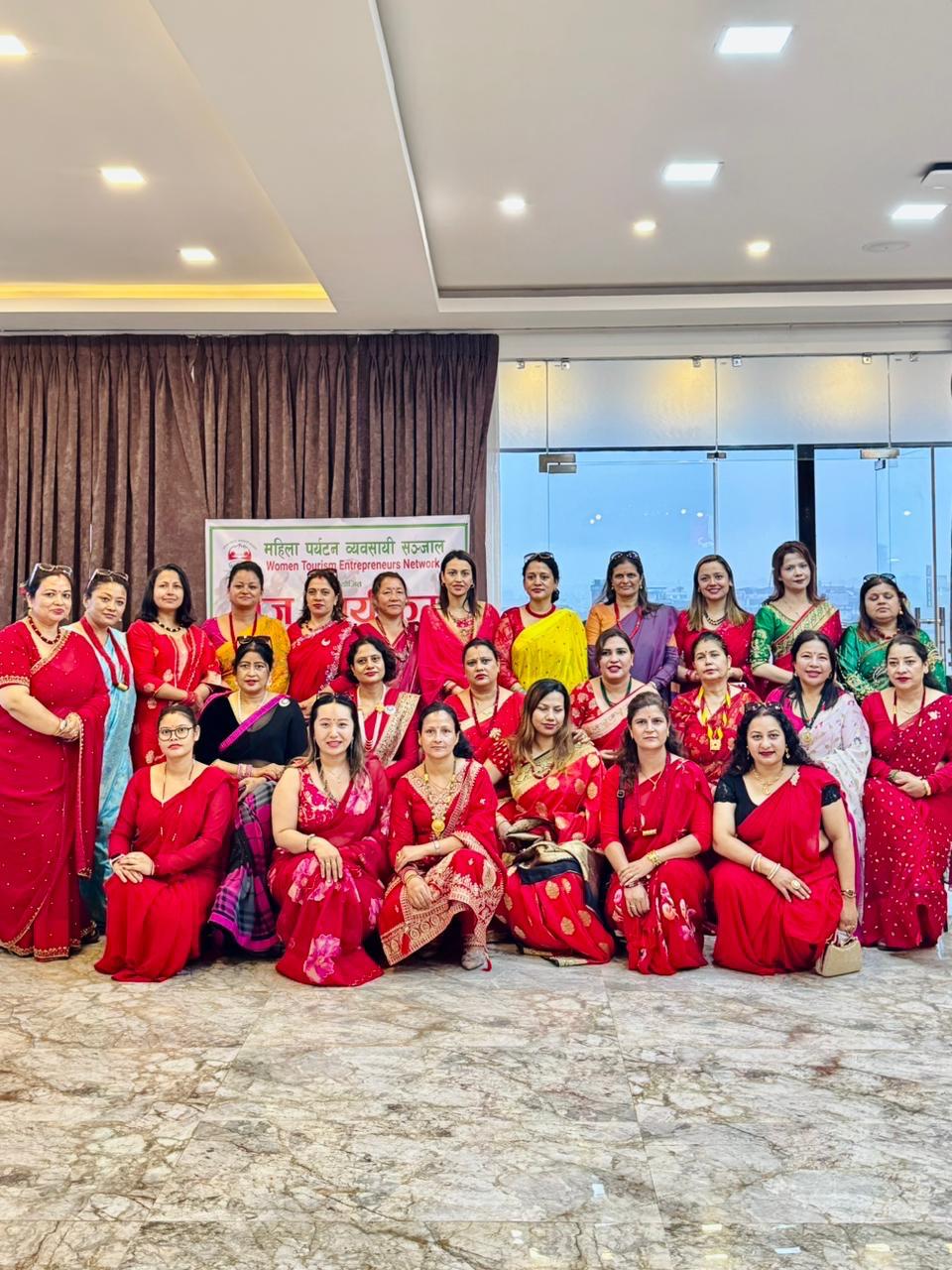
Once the long rainy season is gone , fresh autumn air comes to Nepal, the entire country starts vibrant with life. The energy is really noitceable – it goes all the way from the largest cities down to the tiniest villages.The mountains have never looked clearer than now with the picture-perfect deep blue sky behind them. So, why all this joy and good cheer? Simply because it’s the fabulous commencement of Tihar, the second biggest festival of Nepal! Five outstanding days filled with the colors of light, respect, and jubilation of the cultural heritage.
Tihar is far more than just a series of religious steps. It’s a joyful thank-you feast of gratitude mixed together with the tenderness of family love and a profound reverence. The festival not only energizes the homes that celebrate it, but also the soul of the whole Nepali community. Thus, it is a reminder that we all are nature’s children and part of the same family.
It is not the festival that can be celebrate with in the four walls of house. It’s can consider as the break form the daily chores, where families membere meet, share joy and reconnect with their heritage. Unlike the loud and massive Dashain festival Tihar is calmer and more extensive in its scope. Its main focus is on expressing thanks to animals (like dogs and cows). The unique love that exists between brothers and sisters, and inviting prosperity and good fortune into one’s life.
Everybody celebrates! Hindus and many others participate in the festival. This festival is celebrates by everybody in Nepal, besides their cast differences. It is not festival only celebrate by Hindu. Tihar is like a cultural adhesive, which unites all the Nepalis together regardless of whether you live in a crowded city, a tranquil hill town, or the flat plains.
A Day-by-Day celebration Tihar
The beauty of Tihar is a meaningful progression, with each of the five days dedicated to a unique aspect of life and gratitude.
Day 1: Kaag Tihar (Crow Day)
In the festival time, the first thing that happens is the crow worship. The crow is a bird that, among other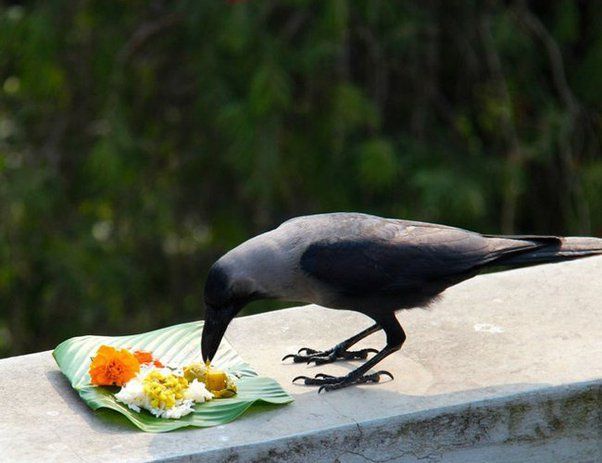 things, is considered a bearer of news and an omen in Nepali folklore. On the day of Kaag Tihar, crows are worshipped and fed with delicious food – rice, sweets, and various treats. The idea is that if you feed these smart birds you will have good luck and evil spirits will be kept away from you. This day is a very good example of the Nepali way of life which is to respect all living creatures and understand them. Although they may be small, these creatures are part of the ecosystem and the spiritual founndation of life. It opens very gently and sets the mood for the next days of thankfulness.
Day 2: Kukur Tihar (Dog Day)
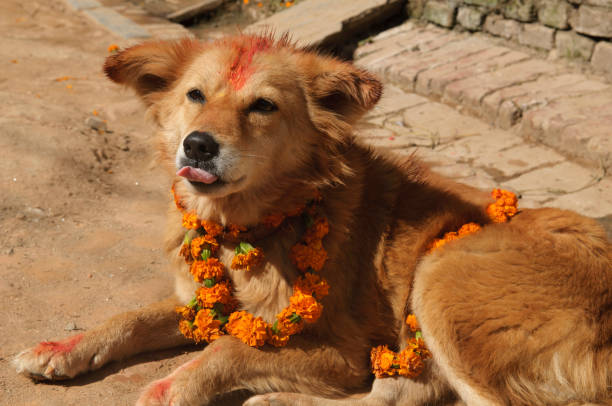
In the day of Kukur Tihar which is our second , which is dedicated to dogs, our dear four-legged friends.Dogs, whether pets or strays, are put on bright marigold garlands, their foreheads are given the sacred ‘tika’ and give them delicious meals. This festival is a true social bond between humans and dogs.Dogs become guards, good friends, and even carriers of Yama, the god of death. The day recognize as the faithfulness, care, and love without any conditions for the animal kingdom.
Day 3: Gai Tihar & Laxmi Puja (Cow Day & Goddess of Wealth Worship)
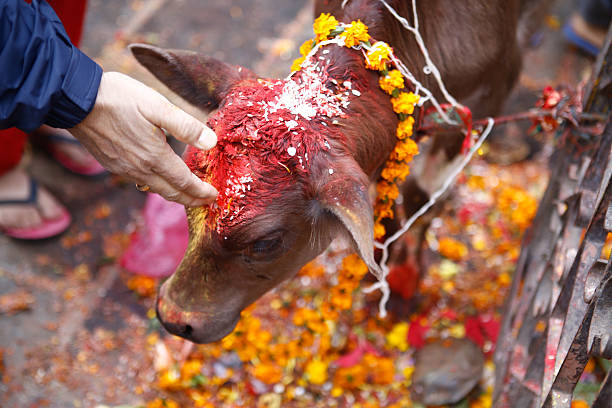
This might be vital day of Tihar, a day that sees dual devotion. In the earlier hours, it was Gai Tihar, a festival dedicated to the cow, an animal which is considered sacred in Hinduism. They are revered as the mother and a symbol of prosperity. Cows are not only given a bath but also garlanded, tika is applied to them and they are given special treats. The dung of the cow is also regarded as a purifying agent and is used in different rituals.
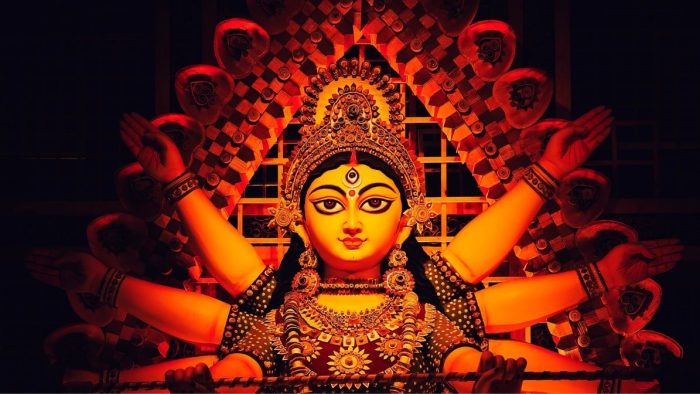
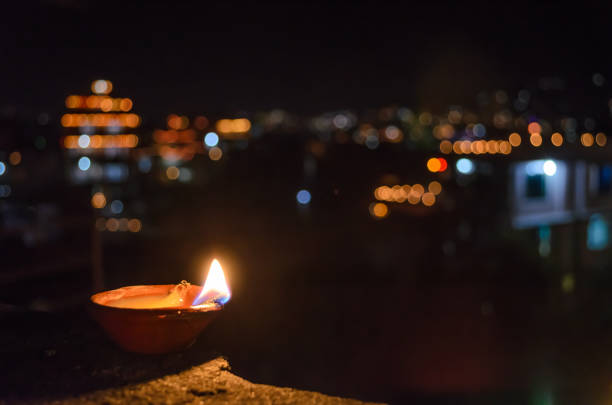
After the sun sets, the worship changes to Laxmi Puja, the adoration of the Goddess Laxmi, the goddess of wealth, prosperity, and good fortune. People clean their homes and decorate them with intricate ‘rangolis’ (making beautiful designs made from powdered rice, flowers, and natural colors). They light up their whole houses with numerous ‘diyo’ (oil lamps) as well as electric lights. The idea is that no place in the house is left dark, thus making it look like an invitation for the goddess to come in and bless the house with plenty. Devotees carry out prayers, sweets, fruits, money, and so on, as offerings to Laxmi, expecting a year of prosperity in return.
Day 4: Goru Tihar/Mha Puja/Gobardhan Puja (Oxen Day / Self-Worship / Cow Dung Worship)
The fourth day of Tihar is a complex one, different communities celebrating their own rituals.
-
Goru Tihar: In farming communities, this day is devoted to the ox that is the father of the farming life in Nepal. People put on them garlands, tika, and give them special food, recognizing their continuous work with the source of living.
-
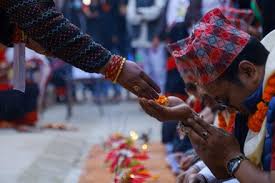
Mha Puja: For the Newar community, this day is extremely important as Mha Puja, the worship of oneself. This puja mainly focuses on self-respect, self-worth, and self-realization. People living together in the house perform the ritual which purifies the soul. It indicate as a renewal of the individual’s existence and well-being. It is celebrated as Newar New Year which happens to be on the same day.
-
Gobardhan Puja: In Many hindu families this days is dedicated to perform Gobardhan Puja. They take a little heap of cow dung and made a symbolic mountain, representing Govardhan Hill. This ceremony tells the story of Lord Krishna’s bringing down the Govardhan Hill to save the inhabitants from the anger of Indra, the god of rain. It is a sign of protection and plenty coming from nature.
Day 5: Bhai Tika (Brothers’ Tika)
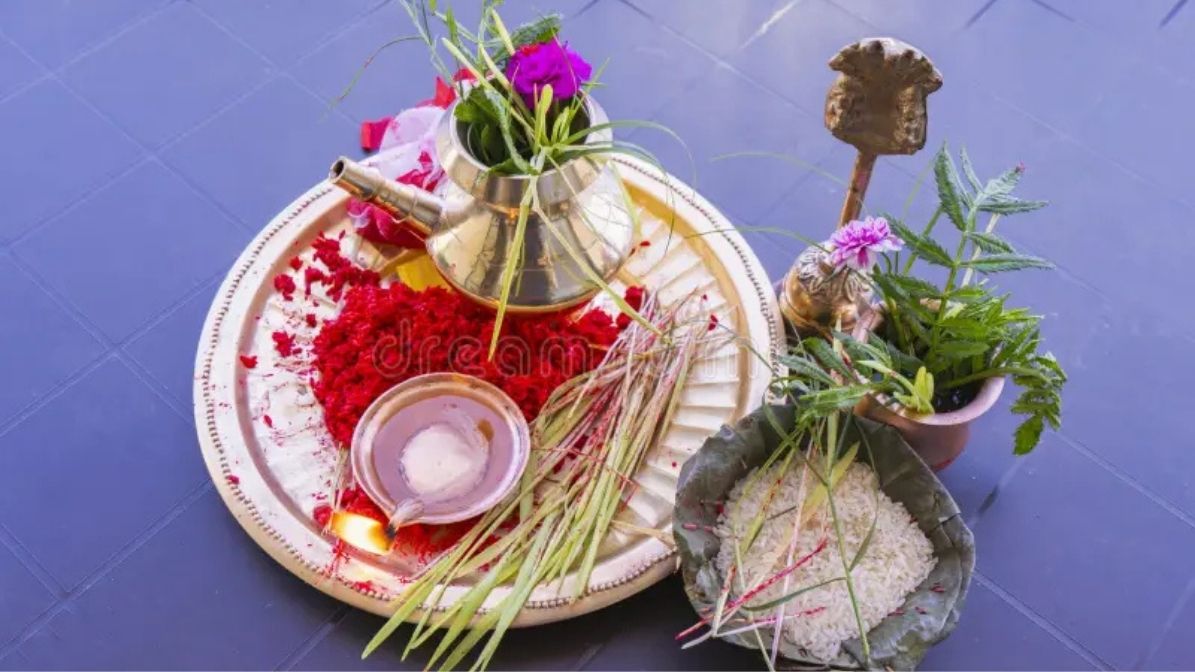
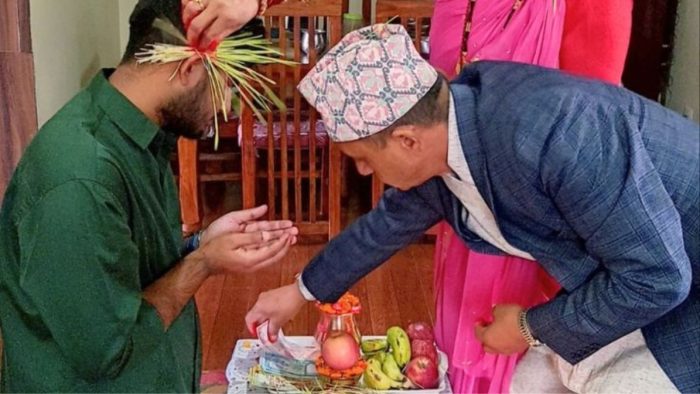
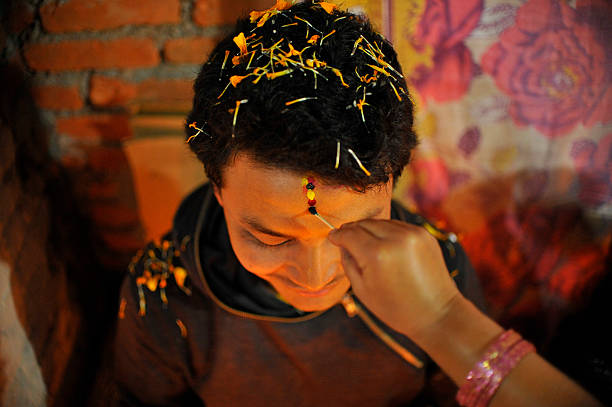
Bhai Tika, the last festive event of Tihar, is a very special day that emotionally loved the bond between brothers and sisters. Sisters put on tika to the brothers’ foreheads with a unique seven-colored ‘saptarangi tika’ and they also bind their brothers with garlands of marigolds and makhamali (globular amaranth) flowers. This whole ritual symbolize the wish of brothers’ long and healthy lives . After this brother will offer gifts and money to their sisters and assure them of their protection. This sacrament has its roots in the hindu mythology, for instance, the myth of Yamaraj and Yamuna, where Yamuna prayed for the longevity of her brother. This day marked as strong statement of love, respect, and support amon
We celebrate the animals like dogs, crows, and cows that are not only beneficial to us and reflect the nature’s cycles but also deserve our love. We pray to the divine for good health and wealth. In a lovely and heartfelt way, it is a visible counting of our blessings, be it small or big, and a warm inviting of the future success.
The festival is also based on ancient, Hindu stories quite a history lesson if you look underneath the fun! Gods’ tales, such as the stories of Yamaraj, Yamuna, and Lord Krishna, provide the basis of the rituals with strong spiritual meanings. These stories are not merely for entertainment but very important moral lessons about (dharma) and realizing consequences (karma) which help in sustaining social value.
This is a perfect time for families to forget any arguments, travel a long way to visit each other. Enjoying with friend with great food, swap gifts, and just make wonderful new memories. At this time groups perform traditional ‘Deusi Bhailo’ carols, the feeling of happiness and togetherness.
The importance of preserving and sharing Tihar’s traditions with future generations.
With the world becoming more interconnected and modern, our saving cultural should be the first concern. For a festival like Tihar, passing it from one generation to another is not only about keeping the rituals alive. It’s about securing the people’s identity, their values, and norms in society.
Cultural Identity and Roots: Tihar functions as a necessary connection to Nepali culture. When the kids follows their forefather customs, they bind themselves to their roots. They get the education about the faith, the stories, and the practices that have formed not only their ancestors but also them. Besides, it gives them a feeling of being part of something bigger with Nepali culture and makes them proud.
Teaching values: The festival is a continuous source of teachings of the most profound values. Among these are respect for Nature and animals, thanking for what is given. The importance of family bonds, the joy of giving, and the desire of coming up with the good fortune all are the things that Tihar embraces. These values which make the individuals more complete and strongly connected to eachother.
Bonding and transfering knowledge: Tihar enables the forming of close relationships between different generations. The older people pass on the experience and the knowledge, the middle-aged people teach the rite, and the little ones pick up by looking and also doing it. Such bond formation ties families and secures the co-existence of the festival’s knowledge and devotion.
Mental and Spiritual Well-being: Festivals like Tihar come as a refreshing change and an absolute necessity. They give time , collective joy, and a break from the usual routine. The feeling of looking forward to something, and the love among people coming together will great help to build mental health and spiritual wellbeing.
Economic and Artistic Preservation: Tihar contribute to local economies and the preservation of artistic traditions through business and job creation. The economic aspect of Tihar cycle starts at local producers of the festival’s foods and items. The beautification done by the colorful flowers and the artistic designing of the vibrant flower garlands supported the small business owners.
To sum up, Tihar is not only a festival of lights but also a remarkable festival of life. It is the festival that expresses the core of the most fundamental human values namely gratitude, love, and kindness. Those values are closely intertwined, for example, respect for nature and animals implies that we are grateful to them. Gratitude is at the very center of it all and is made visible in the numerous ways that the festival happens to celebrate it. It is a festival of togetherness and love, family is the focus and the strength provided through it will help the community have a bright future.