
Teej Festival in Nepal: A Unique Celebration of Women’s Devotion and Community Spirit
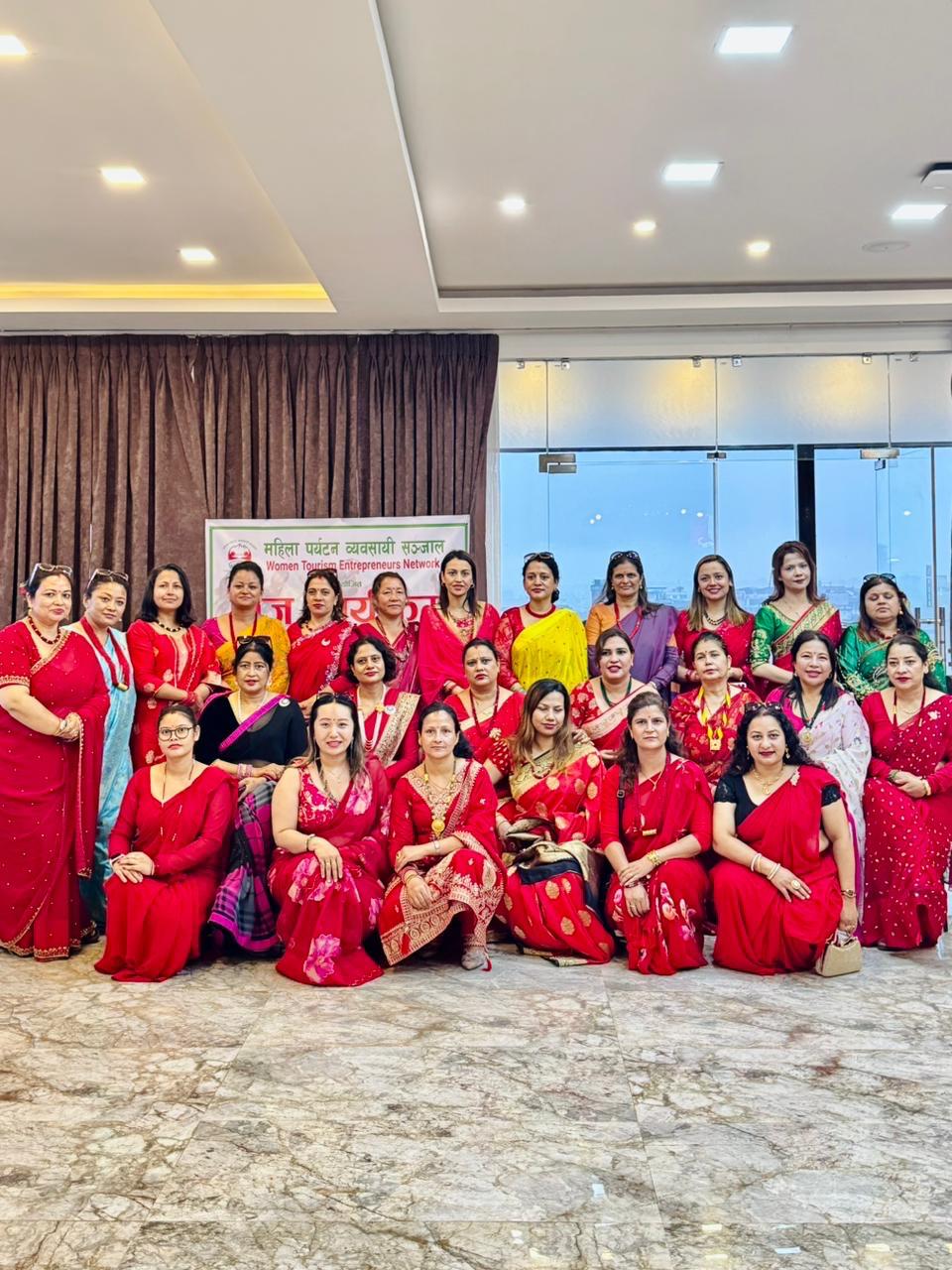
Teej is the Hindu festival celebrated in Nepal, especially by women. Its significance relates to religious devotion, cultural traditions, and social harmony. It is not only recognized as the symbol of love and dedication of Goddess Parvati to Lord Shiva. It holds great value for Nepali women. This connection relates to spirituality, family, and community bonding.
This special celebration happens on the third day of the full moon in Bhadra. It usually falls in August or September on most calendars. Women take center stage, often fasting for the day—some even abstain from food and water until the evening.
The festivities begin as women wear bright red outfits. Accompanied by traditional jewelry that looks like wedding treasures. They flock to temples, particularly where sacred statues and Shiva lingas reside. After sunset, fasting women take part in rituals. They are drawn in by tales of Goddess Parvati. These stories tell how she faced challenges to be with Lord Shiva. Their fast concludes with a morning prayer to the sun. Still clad in red, they travel to Shiva temples across Nepal, with Pashupatinath in Kathmandu being a popular pilgrimage.
Seeing the blend of hymns, dances, and excitement at the temple entrance is captivating. During worship, they light ghee lamps, burn incense, and ring bells to honor Lord Shiva. In Hindu tradition, married women fast for their husbands’ long lives and joy. Unmarried girls hope for loving partners, dreaming of a bond like Lord Shiva’s.
Teej has deep meaning. Today’s celebrations are more flexible, especially with fasting that focuses on health. Yet, the festival remains a beautiful testament to women’s devotion and communal spirit. So, if you find yourself in Nepal during Teej, don’t miss this unforgettable spectacle of colors, traditions, and heartfelt devotion.
Why is Teej important in the Nepalese community?
In Nepali culture, Teej has been celebrated since ancient times. The festival generally occurs in the Nepali month of Bhadra, which is the time when all agricultural work has been completed. This provides an opportunity for married women to visit their parents and relax. In this context, the festival of joy and refreshment for the women’s community has been introduced.
From other perspectives, Teej signifies devotion, faith, and marital harmony. Married women rejoice in this festival by fasting and praying for their husbands’ prosperity, good health, and long life. Meanwhile, unmarried girls fast with the hope of getting a good husband in the future. This shows how Nepalese culture and tradition have empowered women to express joy, sing, dance, and enjoy.
How is Teej celebrated?
People celebrate Teej over three days with distinct rituals and activities.
-
Day 1: Dar Khane Din
This day features a big feast, known as “Dar.” It is cooked by the women’s families, mainly their husbands and in-laws. Women enjoy traditional foods such as sel roti, puri, sweets, and sometimes meat before their fast begins. It’s a fun day filled with singing and dancing. The women get a break from their household chores.
- Day 2: Fasting and Worship
Welcome to the heart of Teej—the day when devotion takes center stage. Women follow a strict fast, often skipping even water. They wear bright red sarees, sparkling bangles, and sindoor, showcasing their tradition. The revered Pashupatinath Temple in Kathmandu buzzes with energy. Hearts overflow with worship for Lord Shiva. This sacred fast and heartfelt prayers are powerful offerings. They invite blessings for strong marriages and bountiful families.
-
Day 3: Rishi Panchami
On the final day, women perform rituals to honor seven sages or saints. They purify themselves by bathing with red mud from sacred trees and offer prayers to absolve themselves of sins. Special prayers and offerings are made to seek blessings for spiritual and physical purification.
Cultural Value of Teej in Nepali Society
Teej holds profound cultural significance beyond religious observance. It is a festival that celebrates womanhood, family bonds, and community unity. Women of all ages join the festivities, regardless of social class. This creates a strong sense of unity and shared cultural identity.The festival shows how important marital relationships are in Nepali society. Women pray for their husbands’ long lives and happiness. It’s a chance for women to visit their family homes, celebrate their roles, and build stronger family ties.
Teej’s cultural practices help keep Nepal’s rich heritage alive. People wear red, apply henna, share folk songs, and dance together. The festival shows Nepalese tradition, spirituality, and social life. People celebrate it with joy, from remote villages to busy cities.Teej is a lovely mix of devotion, tradition, and celebration. It honors the feminine spirit and the love of family in Nepalese culture. To enjoy this vibrant and heartfelt festival, visit Nepal during the Teej season. It promises a unique cultural experience.
Would you like me to help with a detailed itinerary or tips for experiencing Teej in Nepal?
Related Blogs
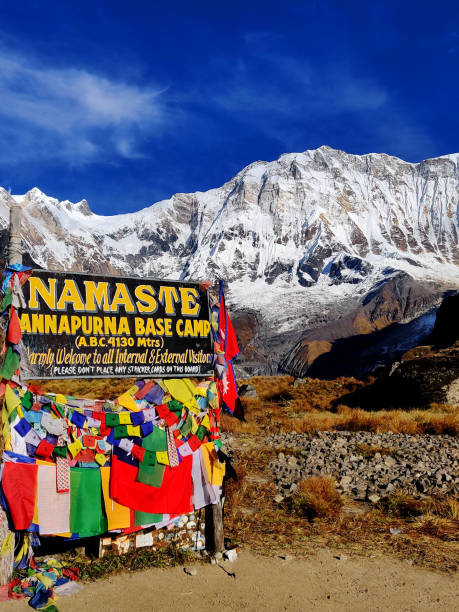
The Ultimate Guide to Annapurna Base Camp Trek
This ultimate guide to Annapurna Base Camp Trek is an essential reading for trekkers, before diving into a renowned...
Why Nepal Is the Next Top Destination for Digital Nomads
Sometimes a place is a surprise to you long before you even realize that you are falling in love...
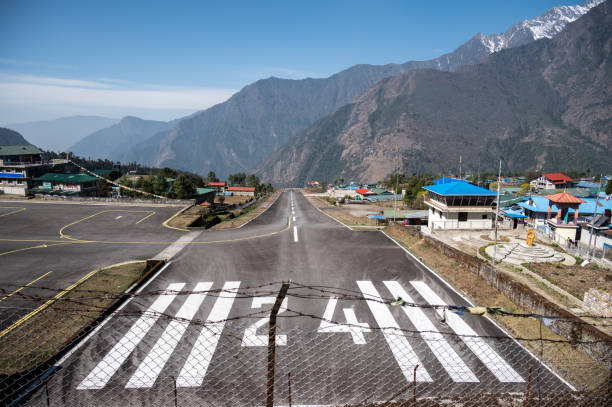
An ultimate guide for the 2026 Lukla Flight
Get ready for your 2026 Lukla flight, we are about to explore the crazy flight condition between Kathmandu and...
Explore Manaslu Circuit withTsum Valley trek
Trek overview The Tsum Valley with Manaslu Circuit Trek is an awe-inspiring journey through Nepal’s Manaslu region and the...
Tihar: Nepal’s Festival of Lights, Tradition, and Togetherness
Once the long rainy season is gone , fresh autumn air comes to Nepal, the entire country starts vibrant...
Short Manaslu Circuit Trek
Overview The Short Manaslu Circuit Trek lies between the boundary of Gorkha and Manang District. This trek’s main attraction...
Annapurna Circuit: A Journey of a Lifetime to world greatest trail
Annapurna Circuit, a journey to the world’s greatest rail, is just more than a trek. It’s an adventure and...
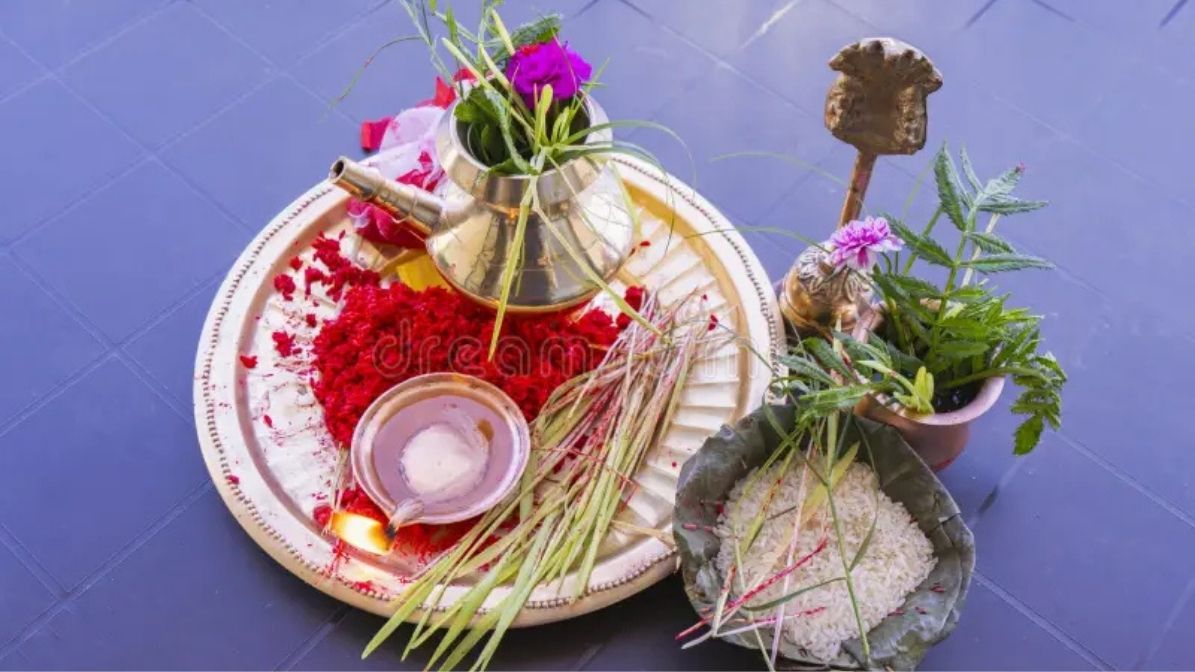
Dashain: A festival of reunion, gathering and blessing
Dashain is the main festival for all Nepalese people, who live in Nepal or abroad. Also called Bijaya Dashami...
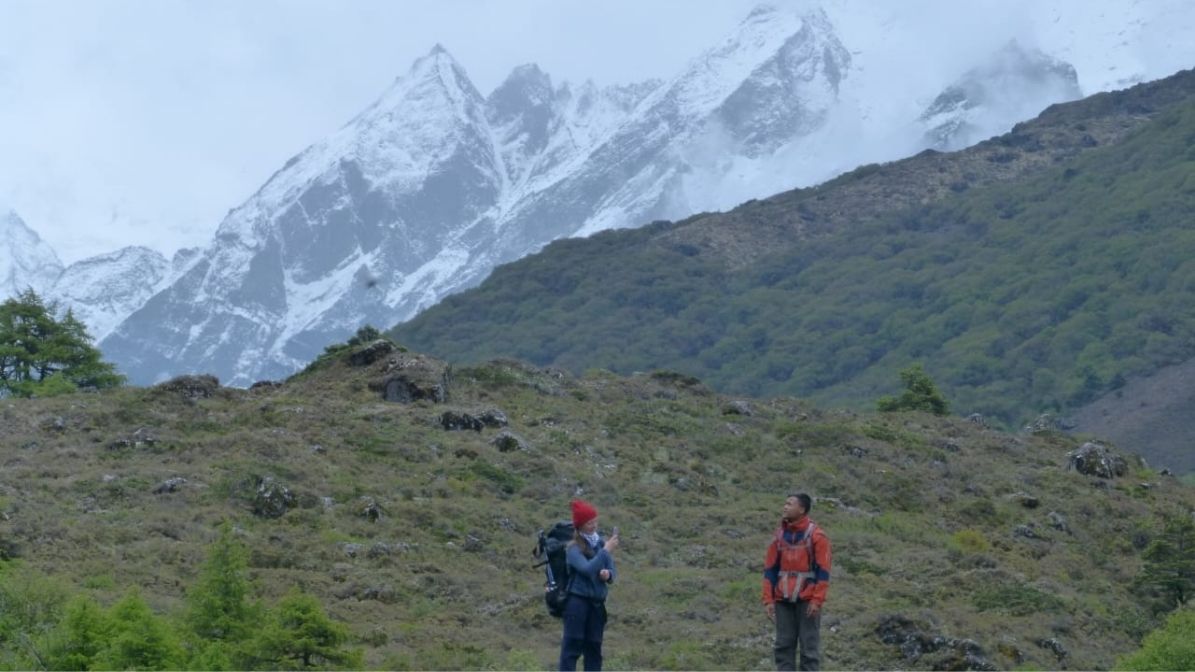
Trekking in Nepal: An Unforgettable Himalayan Adventure
Introduction Trekking is an activity that is conducted in nature, far from the urban area, where one can explore...