
Short Manaslu Circuit Trek
Overview
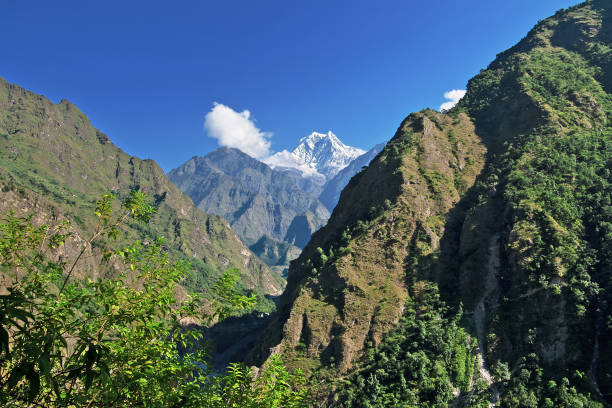
The Short Manaslu Circuit Trek lies between the boundary of Gorkha and Manang District. This trek’s main attraction is Mount Manaslu, which is 8,163m above sea level and is the Eighth-highest mountain in the world. The trek is a combination of unspoiled nature, cultural exposure, and the adventure challenges that provide an experience unmatched to other himalayan adventures.
The foremost reason to choose Manaslu Circuit Trek for famous options like Everest base camp Trek and Annapurna circuit trek. This trek trail has less commercialized areas. The trail offers a serene Himalayan experience, Where one will be captivated by its landscape , culture and traditions.
The path ahead with its lush forests, terraced fields and traditional villages creates a picturesque scene. Along with thriving Tibetan Buddhist culture offers trekkers unique cultural encounters with communities and monasteries. The whole journey fosters a deep connection with the nature and culture of Manaslu region.
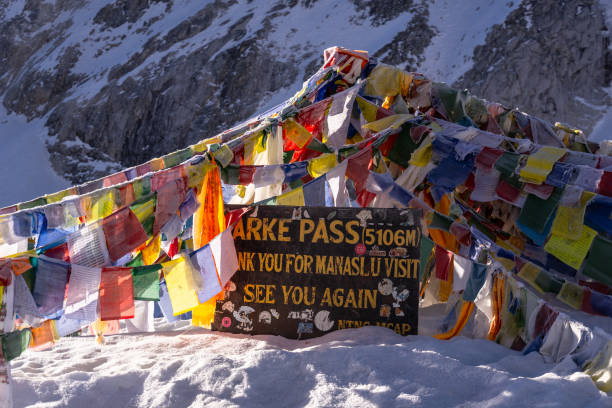
During the trek in this area the environment changes every few steps, from tropical vegetation to alpine scenery. As you go higher on the trail the view of both Mount Manaslu and other Himalayan giants become more and more stunning. The highlight of the trek is Larkya La Pass, which is more than 5,100 meters. Arriving at this place not only the vastness of the peak will be stunning to you but also the sense of the achievement to be there will be overwhelming.
The trek is a physically exhausting one but still it can be a life-changing and rewarding experience for trekkers in Nepal as the pristine beauty and cultural diversity motivated to trek.
Short Manaslu Trek Itinerary
This 12-day short Manaslu Circuit Trek offers a spectacular journey for the trekkers. It is one of Nepal’s most scenic places by nature and rich in culture . The trail for this trek has moderate trekking days, an essential acclimatization day, and a challenging high pass.
Day 01 Drive from Kathmandu to Machha Khola at 900 meters (2,953 feet)
Today’s journey begins with breakfast and a drive to Machha Khola. It is a village settled next to a river, an initial start point of the trek. The drive serves you great views of the lower Himalayan Foothill and greenery.
Day 02, Trek to Jagat (1,300 meters/4,265 feet).
The trail to reach Jagat follows the Budhi Gandaki River. Moving to the destination you will come across several traditional villages and terraced fields. Following the trail, there are some ascents and descents on the way to Jagat. It lies at the junction of the Siyar Khola and Budi Gandaki rivers.
Day 03 Trek to Deng (1,860 meters/6,102 feet).
From Jagat village, the real mountain journey begins. The whole trail unwinds through rhododendron and pine forests. When you arrive at Deng, it’s a perfect place to embrace the local Gurung and Tibetan-related cultures. Today, we will gently gain higher elevations, which is good for the body to adjust to further altitude.
Day 04, Trek to Namrung (2,630 meters/8,629 feet)
The Trek continues to Namrung, gaining altitude. Along the trail, it offers stunning views of the snow-capped peaks of the Manaslu range. Again, you will pass through forests of rhododendron and pine and cross several mountain streams. After reaching the village, it provides a picturesque view of mountains and a comfortable stay.
Day 05 Trek to Samagaon (3,535 meters/11,598 feet)
We are going up-hill today to the samagaon village, which lies beyond the upper Manaslu region and is the gateway for the base camp. In this way, it allows stunning panoramic views of the mountain giants, including Manaslu. There are many houses and a large open ground in this village area, where you will stay for two nights for acclimatization.
Day 06 Acclimatization day at Samagaon (3,535 meters/ 11,598 feet)
An important day for getting used to the higher altitude. You will stay in Samagaon resting and adjusting, or you may decide to take a short walk to the nearby viewpoints and monasteries. This will help you in acclimatization. Besides, a rest day is necessary for a safe and memorable trek.
Day 07, Trek to Samdo (3,860 meters/12,664 feet),
Following the adaptation day, trekking will continue towards Samdo – a small village located near the Tibetan border. You will enjoy a short walk today to continue gradually gaining altitude. You will be amazed with alpine views and cultural influences from a high altitude community like this.
Day 08 Trek to Dharamshala or Larke Phedi (4,460 meters/14,633 feet)
Today’s trekking from Samdo to Dharamsala (known as Larke Phedi). Dharamsala is the last settlement before you cross the Larke La Pass. The trail will begin to climb through barren landscapes of this high altitude location with little vegetation. Dharamsala is so basic you should not expect much and you will stay overnight here to prepare for tomorrow’s hard climb over the Larke-La Pass.
Day 09 Cross the Larke La Pass and Trek to Bimthang. (Larke La Pass 5,106 meters/ 16,752 feet, Bimthang 3,720 meters/ 12,205 feet)
Today will be the hardest day of the trek where you will go to the Larke La Pass. We will wake up early in the morning to have any chance of avoiding the typical strong winds and snow that tends to be upward to the pass. The trek to the top of the pass will be quite steep, but the view from the top will be well worth it. After spending some time soaking in the unbelievable view, you will have a long walk down to Bimthang.
Day 10 Trek to Tilije (2,300 meters/7,546 feet)
The highlight of your trek was the challenging ascent, and today’s trek will be a descent into Tilije. The path goes through the forests of oak and rhododendron, and we will see vegetation change with the decrease in altitude. Tilije will be a charming village where we will have a local guest house to stay.
Day 11 Trek to Dharapani (1,860 meters/6,102 feet),
The last day of the trek will be a short trek to Dharapani to get back to the Annapurna Circuit trail. You will arrange cars in Dharapani to take you for a scenic drive to Besisahar where the Annapurna Circuit begins. We are staying at a hotel in Besisahar for the night as it marks the end of our short Manaslu Circuit trek.
Day 12, you drive back to Kathmandu (1,310 meters/4,600 feet),
Today, you will be driving back to Kathmandu, which should be a nice drive. You will see some different countryside and go through the center of the busy Kathmandu Valley. When you reach Kathmandu, we will transfer you to your hotel where you can relax and reflect on your wonderful trek.
Short Manaslu Circuit Trek Cost
The cost for the short Manaslu Circuit trek in 2025/2026 range from 950$ to 1250$ per person. But it may vary from package details, Group size and additional preferences.
Breakdown of Costs
- Required Permits Cost: The Restricted Area Permit (Rap) RAP permit has two seasonal prices. From September to November, the cost is US$100 for the first week, plus an additional US$10 for each extra day. However, from December to August, the initial price is US$50 base fee with an extra US$7 per person for subsequent days. Annapurna Conservation Area Permit (ACAP) & Manaslu Conservation Area Permit (MCAP): Both permits cost 60$ for the foreign National and 10$ for SAARC National.
- Transportation Cost: For the Public transportation From Kathmandu to MacchaKhola, it costs around 30$. If you hire a private vehicle then it will cost around $150- $200.
- Accommodation and food Cost: For the 12 days Mansalu Circuit trek the basic tea houses stay and food will cost $15-$20 Per day.
- Guides and Porters Cost: You will need the Guides and porters while travelling to this remote area. For the Guide it cost $20-$30 per day, similarly for the Porter it cost $15- $30.
Short Manaslu Circuit Trek from Kathmandu: A shortest Himalayan Adventure
The “Short Manaslu Circuit Trek from Kathmandu” is for those who have less time and yet are looking for an incredible Himalayan journey. This shorter trek has many of the same beautiful sites to capture the stunning mountain scene and local culture within a short period. It is a compact getaway and yet offers all the thrills of high-altitude trekking, rich cultural and amazing landscapes in a shorter period.
What Makes it “Short”?
The standard Manaslu Circuit Trek typically spans 14 to 18 days, but a “short” itinerary condenses this to 10 to 12 days from Kathmandu. This is primarily achieved by optimizing the starting and ending points and minimizing rest/acclimatization days, requiring a faster pace and better overall fitness from the trekkers.
Instead of beginning the trek further down the trail, the short route often starts at Soti Khola or Machha Khola after a long scenic drive (around 7-9 hours) from Kathmandu. Crucially, the short itinerary still includes the undisputed highlight: crossing the challenging Larkya La Pass at 5,106 meters (16,752 ft) before descending and driving back to Kathmandu from the Annapurna region trail-end, usually Dharapani or Besisahar.
The Journey: Peaks, Passes, and Culture
This shortened journey is an amazing circuit of Mount Manaslu (8,163m). The eighth high mountain in the world, and allows you to get close with its giant glacier-covered face. Although the trek pace is faster than normal trek, but, it is still rich on all the core experiences.
The Cultural Tapestry
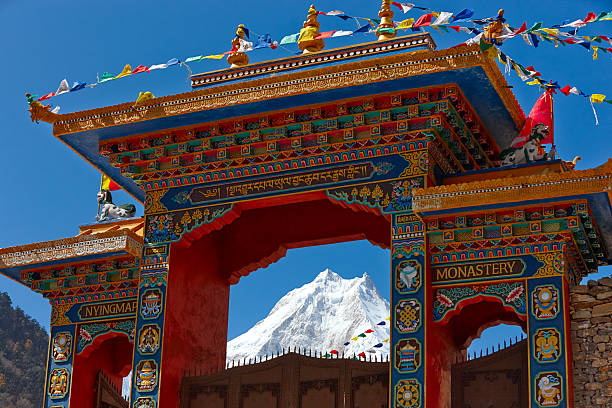
The lower sections of the trek pass through lush subtropical valleys and the typical Gurung and Magar villages. As the trail climbs, it enters to the Nupri region, where you will experience a Tibetan Buddhist culture. You will Pass through several mani wall, colorful chortens and centuries-old monasteries in the villages of Lho and Samagaun. These give you a great insight into the spiritual life and traditions of the people.
The Alpine Challenge
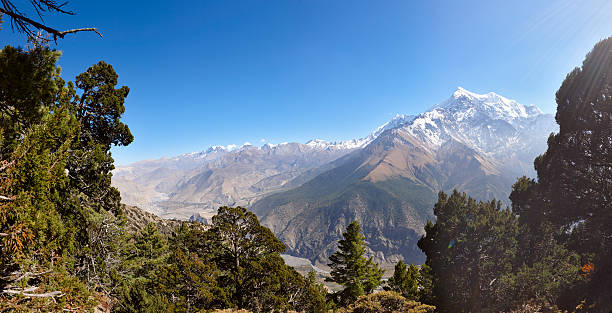
The adventure lies in the certain change to the high alpine environment. Trekkers move from the rhododendron and pine forests to the altitude of towering peaks and glacial valleys. The day which brings the most physical challenge and effort is crossing the Larkya La Pass. But, this part of the trek is rewarded with beautiful views of massive Himalayan ranges including Himlung Himal, Cheo Himal, Kang Guru, and a dramatic scene of the Annapurna range.
Considerations for the Fast-Paced Trek
Though it is possibly capable, doing the “Short Manaslu Circuit”. But it requires great fitness and previous experience in trekking at high altitudes. Reducing days reduces the amount of time allocated for acclimatization. That means trekkers must be aware of how the body responds to altitude. They have taken ascents or descents so that AMS does not develop, even under a difficult schedule. The itinerary is planned to have longer walking days (usually 6-8 hours). This itinerary is perfect for the experienced and fit adventurer seeking the maximum out of a shorter vacation in the heart of the Nepalese Himalayas.
Short Manaslu Trek with Larkya La Pass
Short Manaslu Trek with Larkya La Pass” is the right choice for an adventurous person. Those who wish to experience Manaslu wilderness and have a limited amount of time. This shorter trek has it all. It has all the major features of the entire Manaslu Circuit i.e. the famous Larkya La Pass at 5,106 m. It can be done in a shorter period of 10 to 14 days instead of 16 to 18 days. Manaslu circuit trek is less crowded trail, situated at the remote area compared to other popular treks like Everest and Annapurna. It is Surrounded by a beautiful nature that changes from green forests to steep mountain valleys and is influenced by Tibetan culture.
The treks through Upper Nupri Valley, a culturally rich area. You will be able to see and explore traditional villages like Samagaun and Samdo, Buddhist prayer flags, mani walls, and very old monasteries. The people are living a very simple way of life which is based on farming and yak herding, but they are living with a profound respect for the mountains. In order to get used to a safer higher altitude, trekkers will be required to stay for about 2 days in Samagaun. There they can hike to Birendra Lake or a viewpoint for Manaslu Base Camp.
The most interesting part of the journey is going over the tough Larkya La Pass, which is a very early start, even before sunrise. After you get over the hard part of the ascent, you can see 360-degree of the gigantic Himalayan peaks from all around the area among them are Mt. Manaslu, Himlung Himal, Cheo Himal, and Annapurna II. The way after the Larkya La Pass takes one to Bimthang by a descent. Being a short trek, Larkya La Pass is a rapid but still an unforgettable trek experience in the Himalayas. Where the trekkers are exposed to rich culture, the beautiful nature, and the thrill of getting to one of the famous high passes of Nepal.
Offbeat Short Treks in Nepal
Nepal is known worldwide for epic treks such as the Everest Base Camp and the Annapurna Circuit. However, if you have a short time and want to avoid crowds, there are plenty of treks that offer spectacular mountain views . These treks are between 4 and 10 days long and allow you to get the real experience of the Himalayas without spending weeks or sharing crowded teahouses. A lot of them are close to popular towns like Pokhara or Kathmandu, so you save on travel time. After that, you move to this villages where life seems to be completely unaffected by tourism. It is the nicest way to experience Nepal’s nature and culture in a local style.
The Hidden Trails
In recent years, there are an increasing number of trekkers who have begun to choose these less traveled trails. These trails offer a unique opportunity to feel more engaged with the land and people who live there. Rather than the main trails that are bustling with commercial lodges. These less traveled trails have lodges built environment friendly and run by locals who are part of the community. By this way the benefit directly goes to local families and villages, making your trip an enjoyable trip while also being meaningful and supportive to the community.
Top Offbeat Short Treks
If you’re looking to lace up your boots for a shorter, quieter adventure, a few short trails.
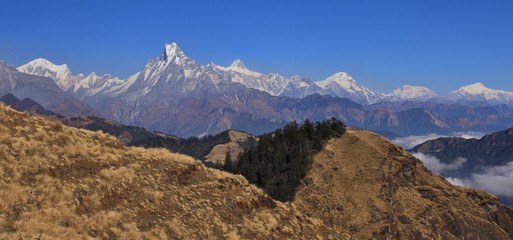
- Mohare Danda Trek (4-7 Days):
The route is often referred to as the “Eco-Community Lodge Trek” and is a alternative to the Poon Hill which is very popular. It goes up to about 3,300 meters and so it is said to have the biggest and broadest views from the three ranges – Annapurna, Dhaulagiri, and Manaslu. Apart from the sun rise on the snow-capped mountains, the most memorable thing would be the stay in the community lodges with warm hospitality of the Gurung and Magar.
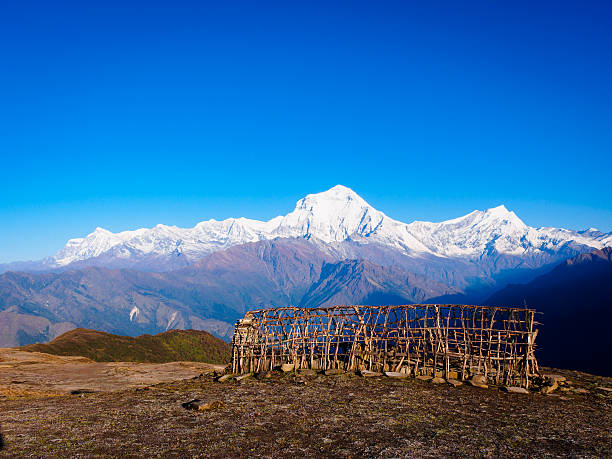
- Khopra Danda Trek (7-10 Days):
What about a higher-altitude, more alpine-feeling trek but without the settlement of the base camp? Then Khopra would be the right choice. The Khopra Ridge (around 3,660m) is a moderate but challenging branch off the main Annapurna trail. There one can see the Dhaulagiri and Annapurna I from a majestic viewpoint. Taking a pilgrimage route to the holy Khayer Lake (4,660m) turns the trip from spiritual and rugged to both.
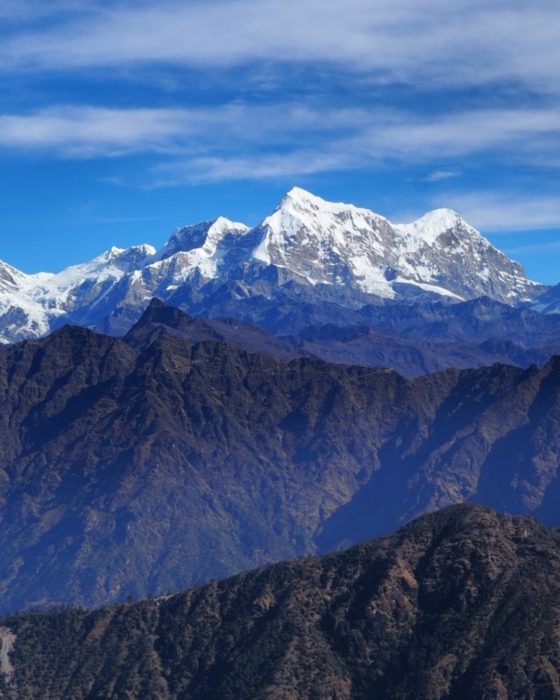
- Pikey Peak Trek (5-7 Days)
Do you want to see Mount Everest without going to the EBC? This is the best Trail. Pikey Peak (4,065m), which is located in the Lower Everest region, was Sir Edmund Hillary’s favorite viewpoint for the ‘Top of the World. It is a culturally rich low- altitude trek with the authentic Sherpa and Rai cultures. These are two of the most remote and less known ethnic groups of the Everest region, without the commercialization of the Khumbu Valley.
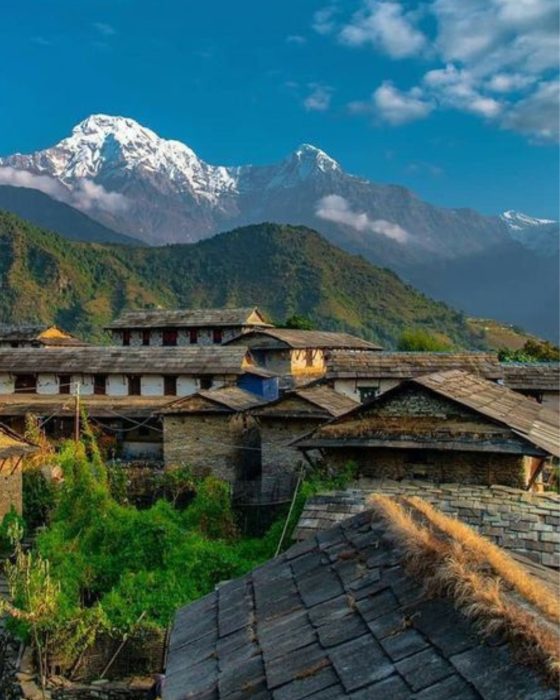
- Ghale Gaun Homestay Trek (4-6 Days)
Indeed, a family with kids or a group of people attracted to the culture, would find this trek quite interesting located close to Besisahar. Ghale Gaun is a “Smart Village” known for its community-based homestay program. They let the guests deeply immerse into the rich Gurung culture with their traditional welcomes and local dances. The magnificent, close views of the Lamjung Himal and Annapurna range.
These non-traditional short treks don’t need two weeks and a special permit to have an amazing adventure in the Himalayas. If you are ready for adventure, these are treks, who prefer pristineness, community connection, and a raw, authentic experience over predictable paths. Join the off-beat treks, and you’ll discover that the heart of Nepal is not explored on the busier highways, but rather the quiet and hidden trails.
Unveiling the Himalayas: Hidden Trekking Routes in Nepal
Nepal, the land of the tallest mountains in the world, is re-known by Everest Base Camp Trek and Annapurna Circuit Trek. For the experienced explorer and a person who is looking for absolute remoteness. The real charm of the Himalayas is in the trails that are untouched by commercialization. This is an invitation for you beyond to discover the raw, authentic mountain trekking on Nepal’s hidden trails.
By moving away from the known tea-house culture. These lesser-known trips allow one to dive deep into pristine nature, old cultures, and breathtaking views. These are the routes of people who prefer authenticity and favoring a challenge rather than comfort.
Trek in Restricted Regions
Many “hidden” treks are available in Nepal. Few of them lies in locations that are geographically or culturally sensitive, known as Restricted Trekking Zones. Restricted Trekking Zones need special permits and a licensed guide to trek in the area. That limit the number of travelers in the area and preserves the experience and culture of the area.
- Manaslu and Tsum Valley Trek: This 18-to-24-day trek goes around Mount Manaslu, the world’s eighth-highest mountain. The trail to the Tsum Valley is like going back in time, a sacred Buddhist Beyul (hidden valley). People on the trek wander through steep valleys and cross the difficult Larkya La Pass. Also, witnessing the ancient and rarely visited Tibetan-influenced villages, monasteries.

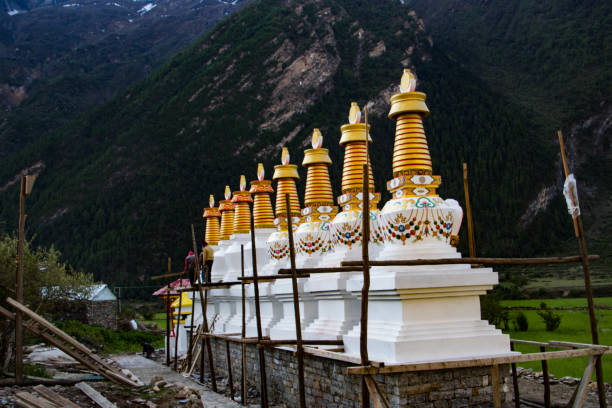
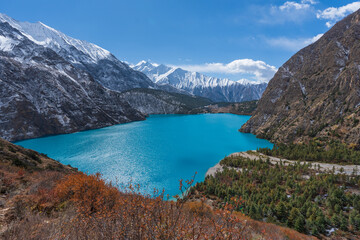
These are the chortens from Tsum Valley Area, Nepal. - Upper Dolpo Trek: Immortalized in Peter Matthiessen’s The Snow Leopard, Upper Dolpo is one of the most remote and mystical regions. It is a land of high passes, turquoise Shey Phoksundo Lake, and the Bon-Po traditions, feeling more like the Tibetan plateau than Nepal. This multi-week trek demands self-sufficiency and rewards with unparalleled isolation.

The East and West
Those people who are ready to go through longer and harder expeditions into the country’s sides. They will be rewarded with gigantic mountains and astounding biodiversity.
- Kanchenjunga Base Camp Trek: This is a 20 to 26 days trek in the remotest wild of the eastern region. That led to the base of the third highest mountain of the world, Kanchenjunga. It has everything that is needed for adventurers. The ecological zones start from subtropical jungle and end with alpine ridges. More important a pleasant cultural experience with the local Limbu and Rai people is the hospitality you will never forget.

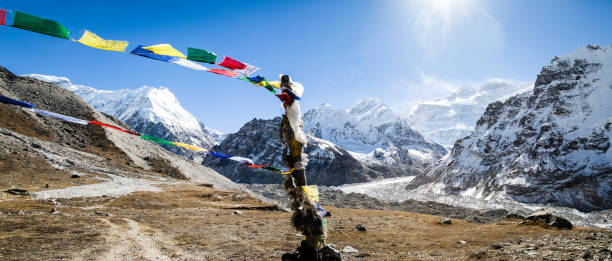
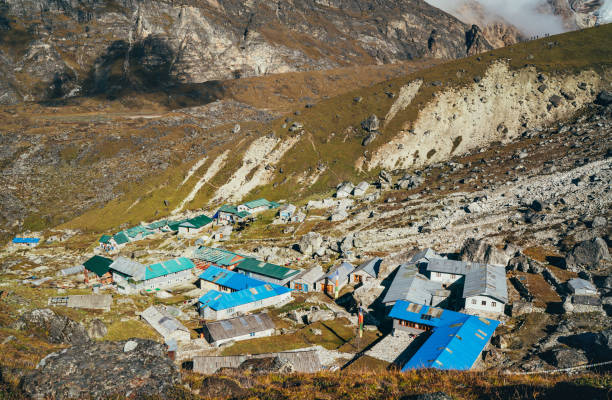
The camp Base South of the Kangchenjunga just 5.142 metres in the Himalayas, Nepal. - Makalu Base Camp Trek: The trek will take you through the breathtaking Makalu-Barun National Park, which lies between Mount Everest and Kanchenjunga. It is a path that has become popular due to its rugged ruggedness, the glorious mountain landscape and the very different kinds of flora and fauna. Thus the trek is for those who are willing to take extreme adventures and are okay with getting camping support in the higher parts of the route.

Makalu Barun National Park trek in Nepal.
Trails Closer to the Center
It is not necessary that all the hidden paths be far away or difficult. There are some hidden Trails which are closer to the famous hubs but are overshadowed by the famous ones.
- Rolwaling Valley Trek: This high mountain trek near the Tibetan border and is well-known for the glacial lake Tsho Rolpa and the legends of the Yeti. The trek is quite hard (especially if you cross the high Tashi Lapcha Pass). But, it has a mixture of breathtaking alpine scenery, towering peaks like Gaurishankar, and a cultural experience with Sherpas
- Pikey Peak Trek: Lower Everest region has a shorter and easier trek called Pikey Peak. It is one of the best panoramic viewpoints for Mount Everest and other giants. Thus it is a wonderful, less-exhausting, culturally rich trek that provides you with the genuine hospitality of the Sherpa. Less crowded than other trails.
These hidden routes require a higher level of physical and mental preparation. Camping is preferable but the more basic teahouses, but at the same time. They are not simply paths in the mountains; they are ways to the heart of the real Himalayas which are waiting for the few who are brave enough to find them.
Related Blogs
The Ultimate Guide to Annapurna Base Camp Trek
This ultimate guide to Annapurna Base Camp Trek is an essential reading for trekkers, before diving into a renowned...
Why Nepal Is the Next Top Destination for Digital Nomads
Sometimes a place is a surprise to you long before you even realize that you are falling in love...
An ultimate guide for the 2026 Lukla Flight
Get ready for your 2026 Lukla flight, we are about to explore the crazy flight condition between Kathmandu and...
Explore Manaslu Circuit withTsum Valley trek
Trek overview The Tsum Valley with Manaslu Circuit Trek is an awe-inspiring journey through Nepal’s Manaslu region and the...
Tihar: Nepal’s Festival of Lights, Tradition, and Togetherness
Once the long rainy season is gone , fresh autumn air comes to Nepal, the entire country starts vibrant...
Annapurna Circuit: A Journey of a Lifetime to world greatest trail
Annapurna Circuit, a journey to the world’s greatest rail, is just more than a trek. It’s an adventure and...
Dashain: A festival of reunion, gathering and blessing
Dashain is the main festival for all Nepalese people, who live in Nepal or abroad. Also called Bijaya Dashami...
Trekking in Nepal: An Unforgettable Himalayan Adventure
Introduction Trekking is an activity that is conducted in nature, far from the urban area, where one can explore...
Teej Festival in Nepal: A Unique Celebration of Women’s Devotion and Community Spirit
Teej is the Hindu festival celebrated in Nepal, especially by women. Its significance relates to religious devotion, cultural traditions,...