
Langtang Valley trek guidance
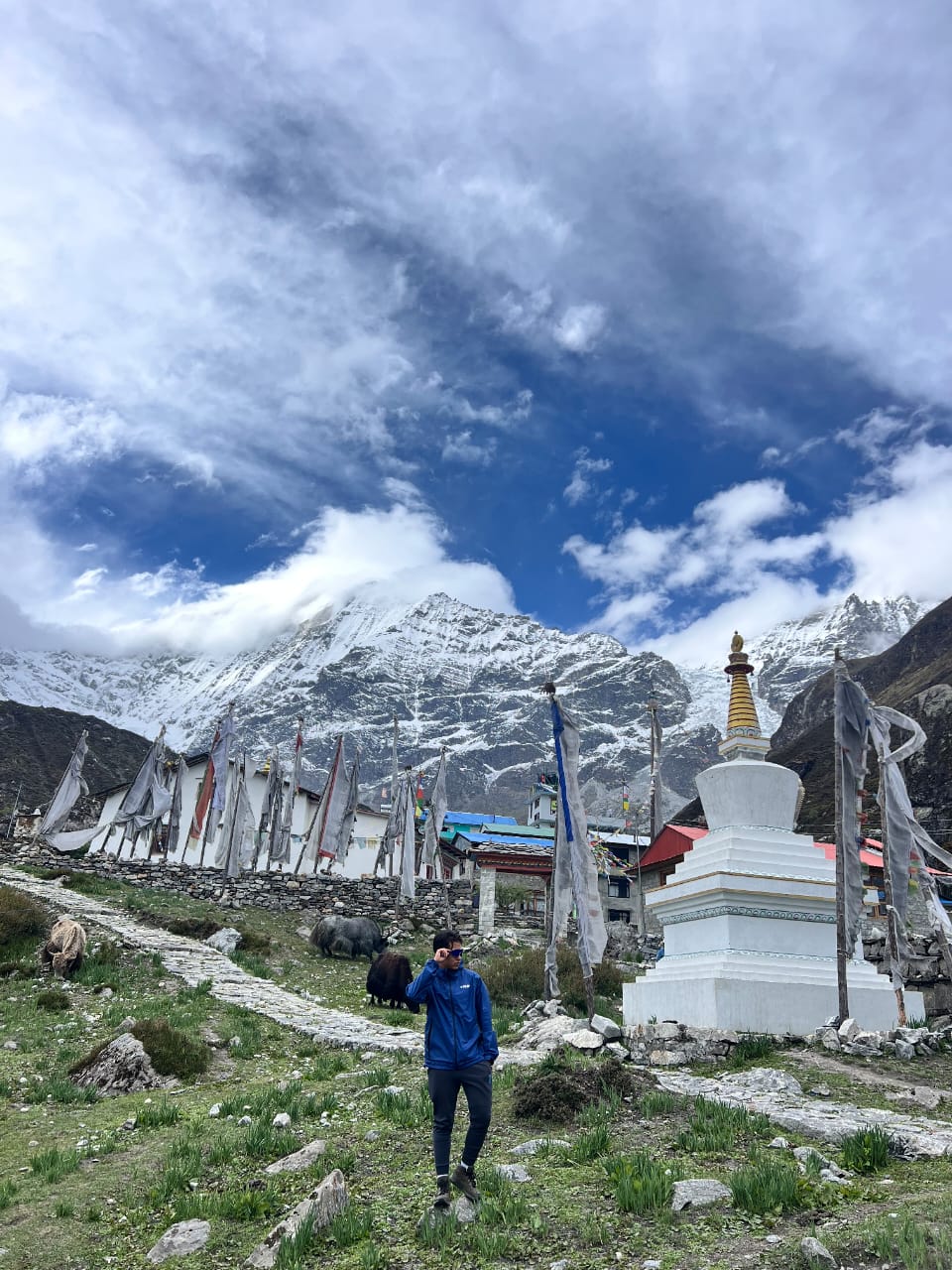
The Langtang region is famous for the Langtang Valley Trek, which lies north of Kathmandu. Almost a week-long day journey lets you immerse yourself in the heart of the Himalaya. The trail ahead passes dense forests, small streams, and offers stunning mountain views.
For the Langtang Valley trek, you need to take a bus to reach Syabrubesi. It is also an initial point to start the Ghosaikunda trek and the Tamang Heritage trek. In a route, you will see the terraced fields, small villages, alluring hills, and the Tirshuli river.
Following the trail, you will pass through villages built with stones. Along with many walls carved with Buddhist prayers and colorful prayer flags. This region is also an ancient trading route between Kathmandu and Tibet. So, people of this place follow Tibetan Buddhism and Shamanic practices. Their traditional dance, music, food, house styles, and daily routines have remained today. This reveals how they have been deep into their culture and land for centuries. Also, their unique identity and the belief system they follow.
For beginner-level trekkers or hardcore adventurers. The Langtang Valley trek offers you exposure to new cultures and diversified landscapes. Throughout your trek, Planholidays Treks and Expeditions will ensure your lodging and food. And our expert guide ensures your safety and navigates the trail.
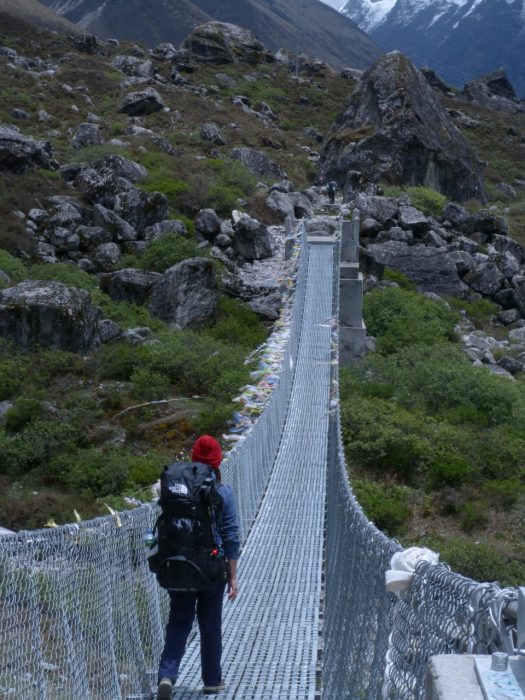
Facts about Langtang Valley Trek
- Duration of the trek: 8-10 Days (drive to/from Kathmandu)
- Overnight stay at high Elevation: 3,900m (Kyanjin Gompa)
- Max Day Hike Elevation: 5,000m (Tsergo Ri)
- Difficulty: Moderate
- Best Season: Spring (March-May) & Autumn (Sept-Nov)
History, Traditions, and Lifestyle of the Lang Tang People
It is believed that the Tamang people of Langtang Valley came from Tibet in the 7th century. Following the order of the Tibetan King Srong-tsen Gampo to attack the Kathmandu valley. Later, they settled in that region and became horse traders between Nepal and Tibet. In Tibetan traditions, ‘Ta’ means horse and ‘Mang’ means trader, so Tamang are taken as horse traders. People of this region follow Buddhism, shamanism, and animism. For communication, they speak both the Tamang language and the Tibeto-Burman Language.
In traditional dress, men usually wear a Bakkhu (a long robe tied at the waist) with a topi (traditional cap). Whereas, women wear blouses, skirts, and striped aprons, with jewelry called Yungri necklaces made of silver.
Rearing sheep and yaks is the major occupation for the Langtang Valley people for a living. Also, cultivate the seasonal crops like potatoes, barley, wheat, and millet. Plus, they operate homestays and lodges during the tourism season as a source of income. Visiting the yak cheese factory in Kyanjin Gompa offers you to explore the cheese-making process and taste it.
Tourism has played an important part in shaping the economy of the Langtang Valley. After the devastating earthquake of 2015 A.D. They had started constructing tea houses and homestays, and also provided porter services. In the Langtang Valley trek, you will be stunned by the generous hospitality of the Langtang people.
Buddhist Beliefs and Shamanistic Sacred Practices
People in the Langtang region are mostly Tibetan Buddhists. They follow Buddhism and practice Shamanism. Both aspects share the same similarities, but their beliefs and practices differ. In Buddhist philosophy, they emphasise inner transformation. The main focus is to transcend the cycle of rebirth (samsara) and achieve nirvana.
While in shamanism, they believe in healing and maintain balance with natural and spiritual dimensions. Through rituals, trance states, and spirit communication. To do this, Lamas (Buddhist priests) perform rituals and recite scriptures. As conducting ceremonies such as name giving and funeral rites. While Bonpos/jhankris, the shamans, are the intermediaries between the human and spirit world. They are often involved in healing rituals and exorcisms, usually requiring animal sacrifices.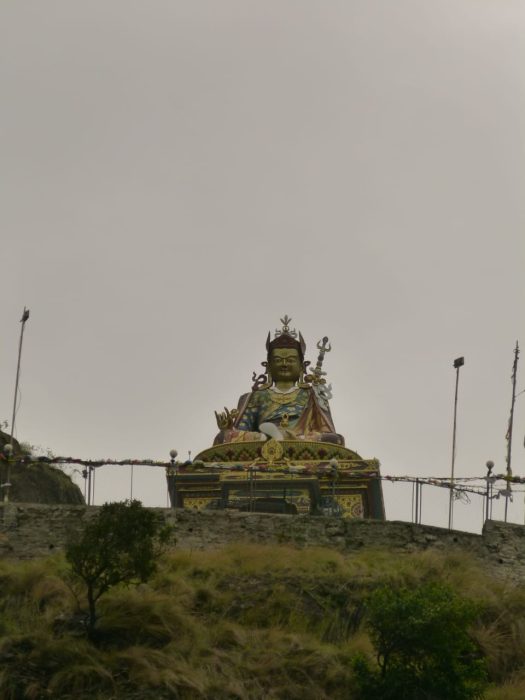
There are two sacred religious sites of the Tamang people, one lies at Langtang village, and the other in Kyanjin. According to the legends, Guru Rinpoche dropped a letter from the sky on Kyanjin. The letter prescribes the instructions from Guru Rinpoche to build four monasteries. It was an extreme challenge for the villagers to build 4 monasteries at that time, due to a lack of resources. So, they built 2 monasteries. These monasteries have deep religious importance for the Tamang communities. While doing the Langtang Valley trek, you can experience these two sacred relics of the Tamang communities.
Festival and local celebrations
Sonam Loshar
People of Langtang Valley celebrate the Sonam Loshar, which is a new year festival that falls in January or February( Magh in Nepali calendar). It marks the beginning of the Tamang New Year and changes in the 12-year cycle of the Tibetan Zodiac sign, based on animals. This is a time for family and relatives to gather and enjoy feasts. They also perform traditional cultural dances like Tamang selo, with a damphu (tambourine-like drum). Celebrations often take place near monasteries like Kyanjin Gompa.
Dumje festival
The local festivals celebrated in the Langtang valley include the Dumje Festival. This festival happens near Kyanjin Gompa. Where locals wear masks of different deities, animals, and humanoid mythical figures. The mask dance is not considered a performance, but a sacred ritual done by monks and tantric practitioners in honor of Guru Rinpoche, who is renowned as the founder of Tibetan Buddhism. On this special day, the Tamang and Sherpa communities also replace the flag of the Gompas. And also receive blessings from lamas, believing that one can get good health and prosperity in life.
Buddha Jayanti
Buddha Jayanti is the day to commemorate the Buddha’s birth, enlightenment, and death. Various prayers and rituals are conducted at the monasteries of Langtang Valley. This precious event brings the community together in local monasteries like Kyanjin Gompa. During this time, Monks and Lamas chant the sacred mantras, creating a calm atmosphere. Whereas devotees offer butter lamps, fresh flowers to Buddha statues.
Tamang Cuisine and food in Langtang Valley
Cuisine and food are prepared based on the ingredients found in the surrounding area. The most common crops found in Langtang Valley are buckwheat, millet, and corn. Because of the unfavorable climatic conditions, there were fewer green vegetables. So, to preserve, they make gundruk (fermented spinach).
The food you will find during the trek includes corn or millet porridge served with Gundruk, Dal bhat, Buck wheat bread, and Tibetan chapati. You can also try locally made beverages like yak butter tea with salt, homemade Chhyang (millet beer), and buckthorn juice.
Basic accommodation can be found in the Langtang Valley Trek
- Accommodation: You’ll find private rooms at most of the hotels, sometimes even with an attached private bathroom. Some places in the route, such as at Lama Hotel, can provide basic facilities. But many guesthouses, which were rebuilt post-2015 earthquake, are often quite nice. The only heated room will be the dining room, usually with a stove. Bring your sleeping bag. If you don’t want to use the hotel bed.
- Toilets: A mix of sit-down and squat.
- Showers: Hot showers are often available, but sometimes it’s just too cold to take a shower.
- Electricity & Wi-Fi: Some villages have hydropower; otherwise, it’s solar. You can usually charge devices daily, but expect to pay around 300 rupees for it. Wi-Fi is rare, but a Nepal Telecom SIM card might give you data coverage in many areas (signal depends on the weather!).
- Food: You’ll eat at a guesthouse.
- Breakfast: Porridge, eggs, pancakes, chapati/Tibetan bread with toppings (honey, jam, yak cheese).
- Lunch & Dinner: Dal Bhat is the best! A big plate of rice, lentil soup (dal), veggie curry, and papad. It’s nutritious and fulfilling – “Dal Bhat power, 24 hour!” You’ll also find momos, noodle soups, pasta, fried rice, instant ramen, and mountain pizza.
- Drinks: Hot teas, instant coffee, hot chocolate. Soft drinks like beer and even rum are available, but alcohol at altitude isn’t recommended for acclimatization.
- Drinking Water: Bring a refillable bottle and a purification method. Tablets or a UV filter pen. This saves you money (bottled water is ~$2.50), which is costly. Using reusable bottles helps the environment. Stay hydrated, always!
Music and dance forms in the Tamang community
Traditional music and dance forms have their importance in the Tamang community. Damphu and Tungna are traditional musical instruments. These carry an essence in their tradition and are often used in events like weddings, special occasions, rituals, and festivals. Also, they perform Tamang selo, where different dance styles with songs, humor, satire, sorrow, and joy will be expressed.
If you do the Langtang Valley Trek at the time of festivals or occasions, you will have a chance to experience it. But due to the modernization in communities, lots of traditional folklore and folk music have become extinct. So, to protect the remaining culture from extinction, the community should have unity and know its value.
In Buddhism-related rituals, Lamas often use a different kind of Musical Instrument. These include Vajra and bell sets, Large cymbals, Tingsha, Gongs, Drums, Conches, Damarus, chod drums, and Tibetan Trumpet. During special occasions, they perform the cham dance, a costumed ritual dance, which symbolises the victory of god over evil. For Shamanistic rituals, they use Dhyangro(drum), which is applicable while performing rituals. Striking dhyangro and spell mantras are part of invoking spirits and treating disease.
Sustainable Architecture of traditional Tamang houses
The Tamang houses in the Langtang region were constructed based on an environmental adaptation. They have used materials that are available in the area, like stone and wood. All houses in the region are two-story structures that keep heat on cold nights and provide cooling in summer. Roofs are often designed slope to shed heavy snowfall, and covered with slate or wooden shingles.
During the Langtang Valley trek, you can visit Goljung and Gatlang villages to explore traditional houses. Where local materials are available and used to make houses, that helps to reduce building costs. Mainly Wood and stone are used, which are biodegradable elements, causing less impact on the environment. So, Traditional houses in Langtang are living evidence of adaptive sustainability.
Best Time for Langtang Valley Trek
- Spring (Mid-March to April): For the Langtang Valley trek Mid mid-March to April is considered the best time of year. If you plan to trek, you can see the beautiful Rhododendrons blooming, generally clear skies, and snowy mountain vistas.
- Autumn (October to Mid-November): October to Mid-November is the absolute time for the trekkers. where Crystal-clear skies, lush landscapes, moderate temperatures, and stunning mountain views. In this season, there will be more crowds than usual, but it’s worth it to visit and enjoy the scenery.
- Mid-Seasons (Early March, Late November/December): At Mid-seasons, fewer people trek. During this season, you can see mesmerizing views of hills and peaks, and favorable weather conditions. December offers clear skies and mild temperatures.
- Monsoon (June, July, August): In the Monsoon, the paths will be too wet, too cloudy, and lots of leeches. Views disappear. But if you are an ecophile and adventurous. You can even trek in monsoon; it will be a unique experience.
- Winter (January, February): Winter brings extreme cold, lots of snow, and many guesthouses are closed. Unless you’re an extreme winter trekker, skip it.
Essentials packing list
- Layers: Base layers, fleece, an insulating layer (down jacket), windcheater jacket. If you travel in summer, a raincoat is necessary.
- Footwear: Hiking boots or shoes are crucial. Micro spikes are needed when climbing higher sections like Tsergo Ri if there’s snow.
- Sleeping Bag: Essential for warmth and hygiene.
- Trekking Poles: useful for the rocky path, prevent knees while descending
- Head Torch: For early mornings or power outages.
- Water Bottle/Bladder: Purification tablets ( aqua tabs)
- First Aid Kit: Blisters, basic medication for pain, altitude sickness medicine (Diamox). Consult a doctor before taking it.
- Essentials: Passport, travel insurance details, power bank, snacks.
Safety & Acclimatization:
Your health is important.
- Acclimatization is Key: ( Our 8-day) itinerary was designed for better acclimatization. The standard route sometimes has a high altitude section (e.g., Lama Hotel at 2,500m to Langtang at 3,500m in one day).
- General Rule: Above 2,500m, ascend no more than 300-500m a day for sleeping. Add an acclimatization day.
- Kyanjin Gompa Stay: Staying in Kyanjin Gompa lets you do both Kyanjin Ri and Tsergo Ri without rushing, and allows our bodies to properly adjust to the altitude.
- Guides: A guide is important. For handling logistics (transport, accommodation, bills). Also can pre-book rooms and offer invaluable cultural insights. Add to this, they’re a massive help if anything goes wrong.
- Porters: You can also hire a porter to carry your main bag, leaving you with just a daypack.
- Drones: Extremely expensive and complicated permits. So drop your plan.
Cost & Inclusions/Exclusions: What to Budget
Costs vary depending on how you trek.
- Per person: Budget around $24 per day. This covers the cheapest accommodation, basic meals, and public bus transport.
- All-Inclusive Package (with guide, nicer accommodation, private jeep): Expect to average around $100 per day.
Permits and Regulations
- Langtang National Park Entrance Fee: For the Langtang National Park entrance fee, you have to pay around NPR 3,000 (about 25$ -30$). You’ll pay this at the entrance gate.
- TIM’s card: It is necessary for trekker safety, which will cost NPR 2,000 (about $16 USD). For individual trekkers, NPR 1,000 (about $8 USD) for those trekking with an organized group
- Guide Rule (as of April 2023): The Nepali government announced a rule where a guide is mandatory for all foreign trekkers. Before your trip, check current trekking forums or Facebook groups for the latest on-the-ground info. The situation can change.
Why Choose Planholidays for this Trek?
Over a decade of working in the travel industry, Plan Holiday stands out as the top destination management company. Partnering with us for the Langtang trek will be a fantastic experience. The team of our company, who organized everything perfectly, and our guides, who are knowledgeable, experienced in their job. Help you introduce the places, culture, lifestyle, and tradition. Which will be unforgettable memories to you (for life long).
Conclusion
Langtang Valley Trek is the most suitable (8 days )trek journey for beginner or moderate trekkers. With breathtaking Himalayan scenery, rich Tamang culture and hospitality, also rewarding challenges. The charm of these places, plus they are less crowded than other popular areas. This provides the trekkers a memorable Himalayan experience, which will remain in their mind (for life lifetime).
FAQs of Langtang Valley Trek
1. How long is the trek?
6-8 days for the trek, plus 2 days for arrival and departure to/from Kathmandu.
2. Do I need a guide?
The current official rule says yes (since April 2023). However, enforcement varies. Best to see the present trekker forums for the latest news. But a guide is needed for safety and logistics.
3. Can I trek solo?
Possibly, it is safer and convenient to hire a guide.
4. What’s the food like?
Teahouse, in common diet includes Dal Bhat, noodles, and basic Western options. Filling and nutritious!
5. Are there ATMs on the trail?
No. Carry enough cash.
6. What if I get altitude sickness?
Ascend slowly, hydrate your body. Your guide will oversee you. If severe symptoms arise, descent to lower elevation is the only cure.
Related Blogs
The Ultimate Guide to Annapurna Base Camp Trek
This ultimate guide to Annapurna Base Camp Trek is an essential reading for trekkers, before diving into a renowned...
Why Nepal Is the Next Top Destination for Digital Nomads
Sometimes a place is a surprise to you long before you even realize that you are falling in love...
An ultimate guide for the 2026 Lukla Flight
Get ready for your 2026 Lukla flight, we are about to explore the crazy flight condition between Kathmandu and...
Explore Manaslu Circuit withTsum Valley trek
Trek overview The Tsum Valley with Manaslu Circuit Trek is an awe-inspiring journey through Nepal’s Manaslu region and the...
Tihar: Nepal’s Festival of Lights, Tradition, and Togetherness
Once the long rainy season is gone , fresh autumn air comes to Nepal, the entire country starts vibrant...
Short Manaslu Circuit Trek
Overview The Short Manaslu Circuit Trek lies between the boundary of Gorkha and Manang District. This trek’s main attraction...
Annapurna Circuit: A Journey of a Lifetime to world greatest trail
Annapurna Circuit, a journey to the world’s greatest rail, is just more than a trek. It’s an adventure and...
Dashain: A festival of reunion, gathering and blessing
Dashain is the main festival for all Nepalese people, who live in Nepal or abroad. Also called Bijaya Dashami...
Trekking in Nepal: An Unforgettable Himalayan Adventure
Introduction Trekking is an activity that is conducted in nature, far from the urban area, where one can explore...