
Dashain: A festival of reunion, gathering and blessing
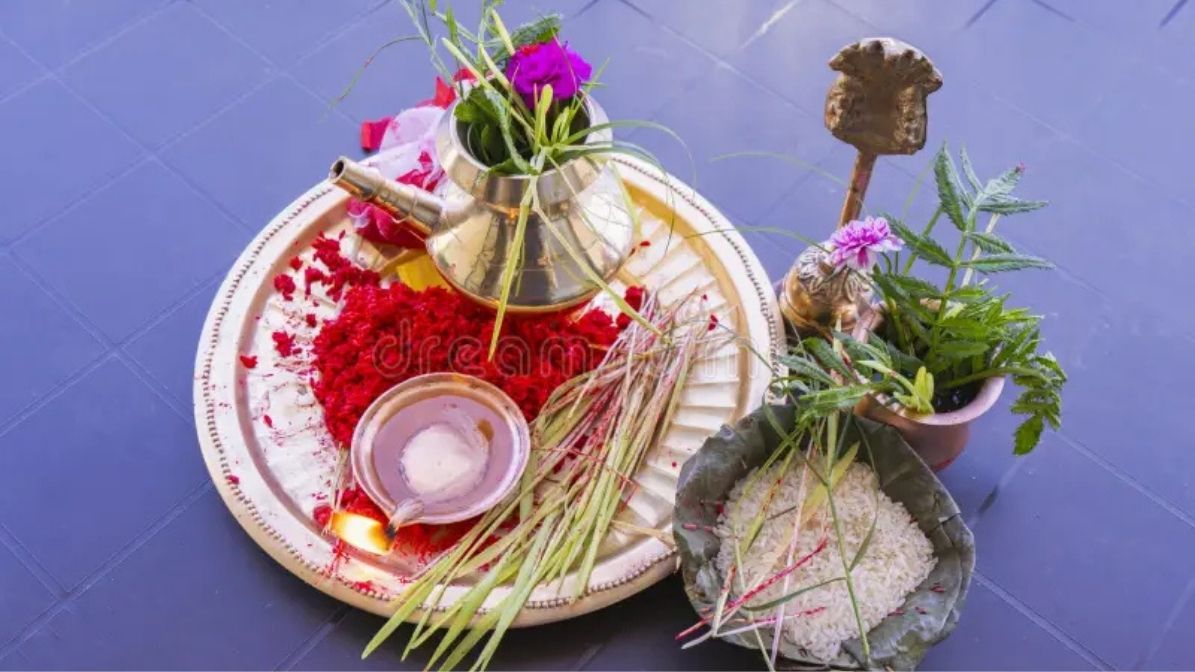
Dashain is the main festival for all Nepalese people, who live in Nepal or abroad. Also called Bijaya Dashami or Bada Dashain. The festival takes place in September or October, according to the lunar calendar. This is the time when the country is filled with the vibrancy of joy and happiness. The sky is clear and the monsoon has stopped, and the whole environment is filled with the aroma of a festive feast. The entire 15 days of celebration is a profound experience of meet and greet with family, community, and the victory of good over evil.
For travellers who are enthusiastic about understanding the culture and nature of Nepal. Dashain is an opportunity to witness the country’s beauty and tradition that has been followed from ancient times. To immerse yourself in the rich culture and traditions of this festival, we have designed special Dashain Tour packages. Which lets you be a part of an authentic celebration that is far beyond your imagination.
Reason to Celebrate the Dashain
Dashain is a festival celebrated on the victory of Goddess Durga over the demon name (Mahishasura). He was the most strong and powerful demon, even a god could not defeat him. So, to stop his cruelty and threat, all mighty gods like Shiva, Bishnu, and Brahma combine their divine power to create the warrior Goddess, Durga.
With the weapon, she got from God Shiva a trident and from Bishnu a Sudarshana chakra, meaning “disc of auspicious vision. Riding on a tiger, she fought with demons for nine days. On the tenth day, she got the triumph of evil. Thus, this celebration of success is the first nine days of Navaratri, which honor the various forms of Durga, at last Vijaya Dashami on the tenth day.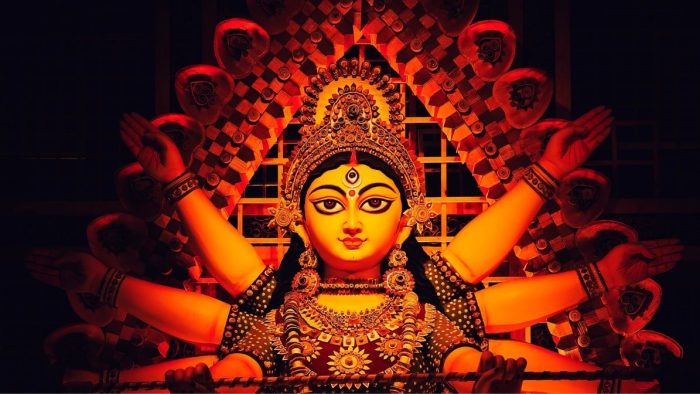
Besides this legendary story of Dashain, Nepalese people have much more than that. This festive occasion is the time when family members, who are far apart from their village for occupation or study, will get back home. Creating the vibrancy of reunion and reverence of family and relatives, which makes the festival so unique.
Our organized tour isn’t just about seeing the sights; it’s about feeling the spirit of Dashain. Where you’ll be welcomed into local communities with the genuine warmth of Nepali hospitality. That will make you feel like a part of the family.
15 days of Dashain Festival
Day 1: Ghatasthapana :
The celebration formally commences with the ritual of Ghatasthapana. During a ceremonial event, a ‘kalash’ (traditional pot) is filled with holy water and carefully inserted with barley seeds. This ‘Jamara’ is a profound sign of prosperity and will be a critical component of the main Dashain ceremony later in this trip. You will observe a local family conduct this ritual, giving you a still scarce chance to see something, because it is private and traditional.
Days 2-6: In between Ghatasthapana & Fulpati :
During this week, the country is in a full out preparation. Homes are cleaned and decorated, new clothing is purchased, and there is a sense of excitement in the air. The skies cleared, and the temperature became mild. All the children and adults of all ages fly kites, a carry down tradition that involves flying kites to send messages to the rain gods to stop the monsoon. You will have a chance to fly a kite and join in the joyful moment.
Day 7: Fulpati (The Sacred Procession):
Fulpati means, “sacred flowers and leaves” and is a day of grand processions. We will take you to see the procession at the Tundikhel Parade Ground in Kathmandu. Where they will perform a historic display of military tradition and cultural significance. This day marks the official entry of the goddess Durga into the Kathmandu Valley, celebrated with a 21-gun salute from the Nepali Army.
Day 8-9: Maha Ashtami and Maha Navami (A Feast for the Senses):
These days are dedicated to worshiping the goddess Kali, a fierce manifestation of Durga. Some communities practice animal sacrifice, which is an ancient tradition to appease the goddess. While the sacrificed animal, meat will be shared with the entire community. However, on these days we will only experience the celebratory aspects of these days through massive feasts. We will introduce you to the wonderful flavors of a traditional Dashain “bhoj” (feast). The famous “sel roti” (a sweet, crispy rice doughnut) and meat curries. This time is extremely festive and you’ll see and feel the energy of community celebration.
Day 10: Vijaya Dashami (The day of celebration):
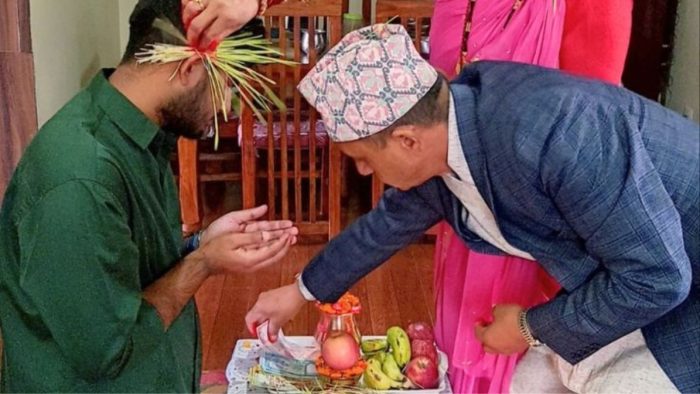
This is the most significant day of the festival. As all the family members are at home and relatives are also being welcomed into the traditional Nepali home to witness a “Tika” ceremony. Where the older family members apply the mixture of rice, yogurt, and red vermillion (the “Tika”) onto the younger family members’ foreheads. Along with the sacred yellow ‘Jamara’ from Day 1. It is not merely ceremonial, but it is sacred as it is considered a blessing, and is a blessing, for prosperity, longevity, and health. The warmth and blessings you receive, I assure you, will be something you cherish for years to come.
Days 11-15: Post Dashain Celebration :
The Tika continues for five days as families make their way to visit relatives and friends. This is a perfect time for you to explore iconic sites in Nepal, because of less crowds. Many locals will have returned to their hometowns. So at this time ancient heritage sites like Kathmandu Durbar Square and Patan Durbar square will be peaceful and easy to navigate.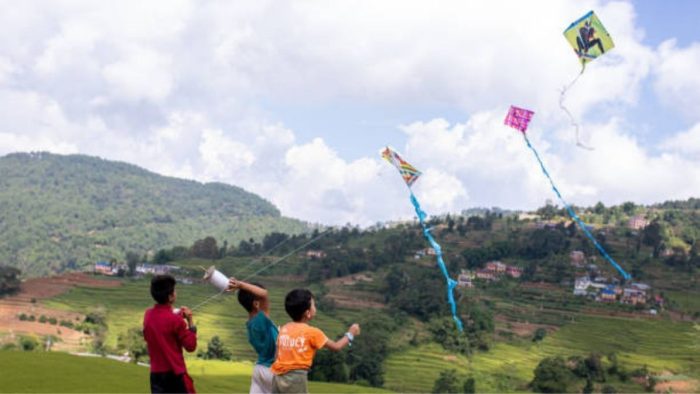
FAQs
1. What is Dashain?
It is easier to visualize Dashain as a superposition of Christmas, Thanksgiving, and New Year’s. But instead of one day, it took 15 days of being something out of the ordinary. Nepal’s longest holiday and major festival, Dashain, is one that celebrates the victory of good over evil. The main idol of Dashain is the goddess Durga.
2. When does it happen?
Dashain is a festival based on the lunar calendar and is celebrated in the Nepali month of Ashwin (normally in late September to early October). The dates vary a bit each year, however, the most significant events are the first, the seventh and the tenth days of Dashain.
3. Why is Dashain so important to the Nepali people?
Dashain is a time when families and relatives come together, also communities get united together to celebrate. It is Grand festival of the whole year. Ppeople come back to their homes not only from different parts of the country but also from different places all over the world. The festival is also a time when people get blessings from elders and family relationships are renewed.
4. Can I go trekking during the Dashain festival?
Sure! The October month is the best season for trekking in Nepal. The weather is clear, less cloudy and the view of the mountains is the most beautiful after the monsoon rains. Although some teahouses and shops might not be open on the main day of the festival (Vijaya Dashami). Otherwise the majority of trekking routes are still open and accessible. So one can have a great cultural experience and do a trekking expedition.
5. What is the significance of the “Tika” ceremony?
The Tika ceremony is the most fantastic manifestation of the Dashain festival. Tika is a red mark (made of rice, yogurt, and vermilion) that is put on the forehead of the younger family members by the elders. Along with “Jamara” (sacred barley sprouts), it is given as a blessing for wealth, good health, and long life. Getting Tika is a deep cultural experience and a gesture of honor and love within the family.
Conclusion:
Dashain is more than just a festival; it’s a profound celebration that captures the very essence of Nepal. It’s a time when the entire nation pauses to honor age-old traditions, strengthen family bonds, and find joy in togetherness. This 15-day journey isn’t just a holiday; it’s a homecoming for millions and a rare opportunity for you to step off the beaten path and into the soul of the country.
Related Blogs
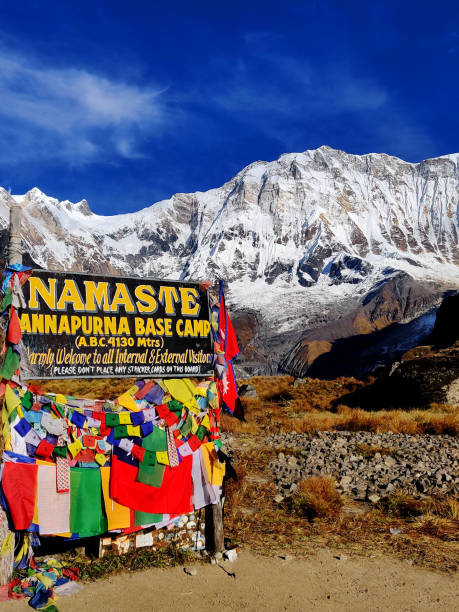
The Ultimate Guide to Annapurna Base Camp Trek
This ultimate guide to Annapurna Base Camp Trek is an essential reading for trekkers, before diving into a renowned...
Why Nepal Is the Next Top Destination for Digital Nomads
Sometimes a place is a surprise to you long before you even realize that you are falling in love...
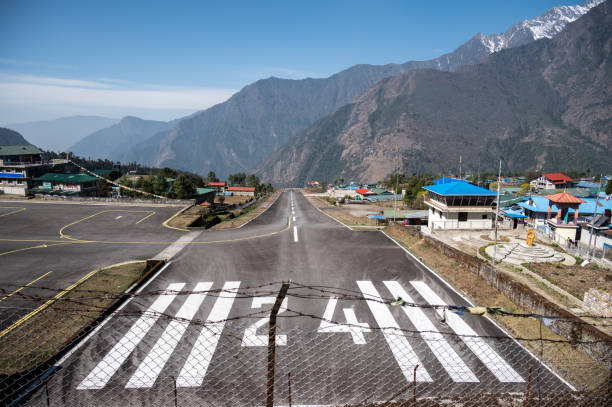
An ultimate guide for the 2026 Lukla Flight
Get ready for your 2026 Lukla flight, we are about to explore the crazy flight condition between Kathmandu and...
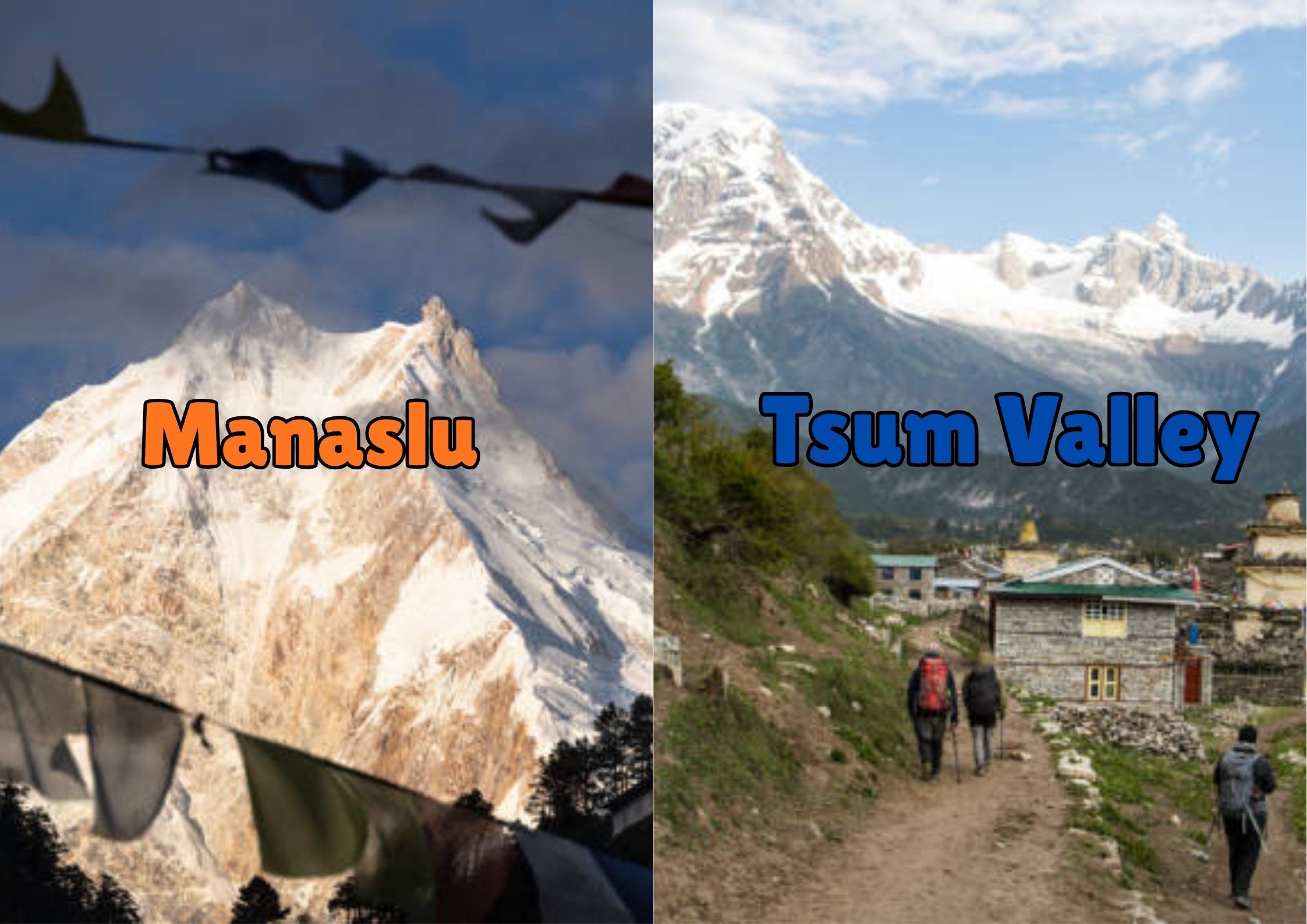
Explore Manaslu Circuit withTsum Valley trek
Trek overview The Tsum Valley with Manaslu Circuit Trek is an awe-inspiring journey through Nepal’s Manaslu region and the...
Tihar: Nepal’s Festival of Lights, Tradition, and Togetherness
Once the long rainy season is gone , fresh autumn air comes to Nepal, the entire country starts vibrant...
Short Manaslu Circuit Trek
Overview The Short Manaslu Circuit Trek lies between the boundary of Gorkha and Manang District. This trek’s main attraction...
Annapurna Circuit: A Journey of a Lifetime to world greatest trail
Annapurna Circuit, a journey to the world’s greatest rail, is just more than a trek. It’s an adventure and...
Trekking in Nepal: An Unforgettable Himalayan Adventure
Introduction Trekking is an activity that is conducted in nature, far from the urban area, where one can explore...
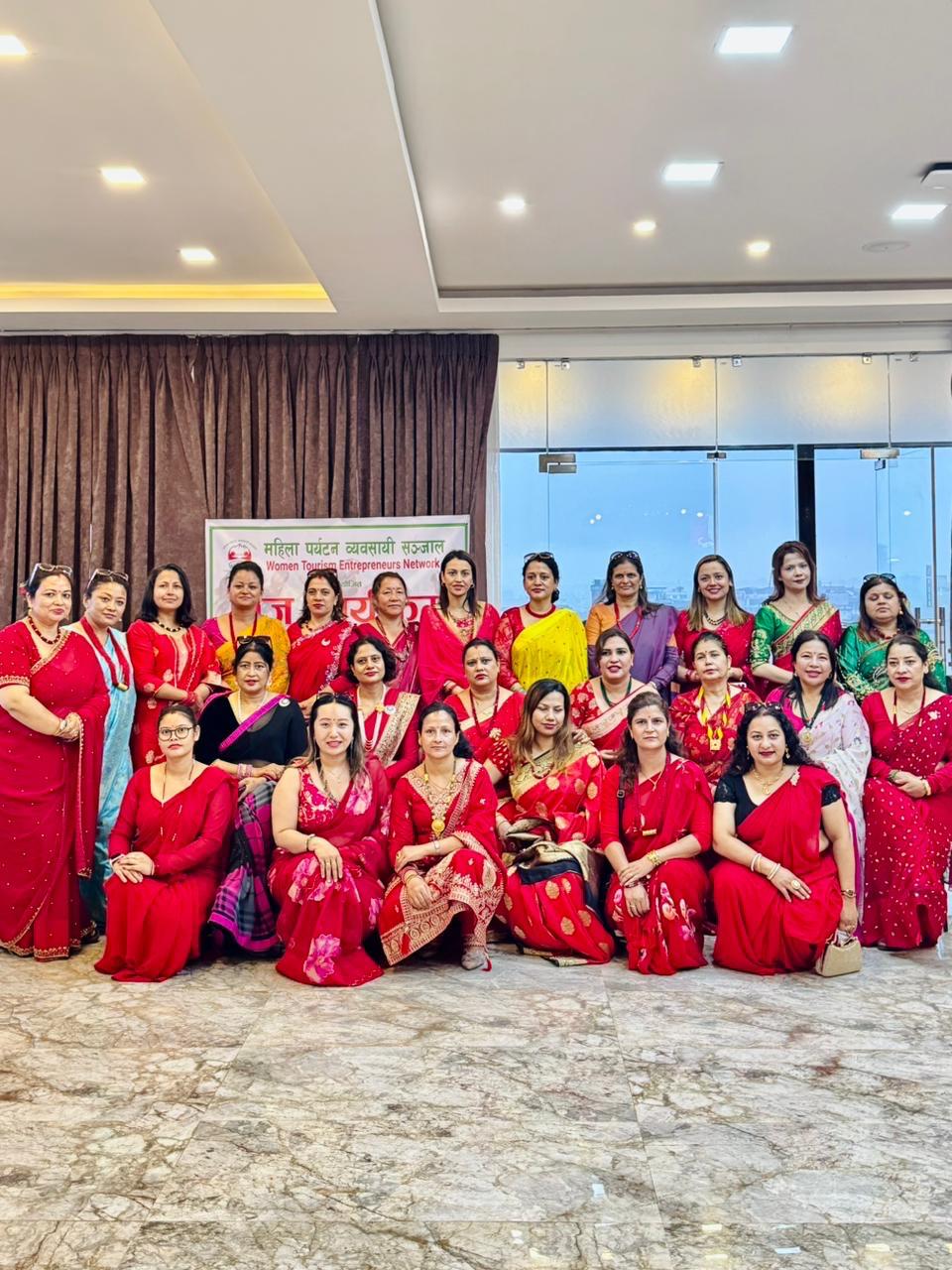
Teej Festival in Nepal: A Unique Celebration of Women’s Devotion and Community Spirit
Teej is the Hindu festival celebrated in Nepal, especially by women. Its significance relates to religious devotion, cultural traditions,...