Langtang Valley trek guidance

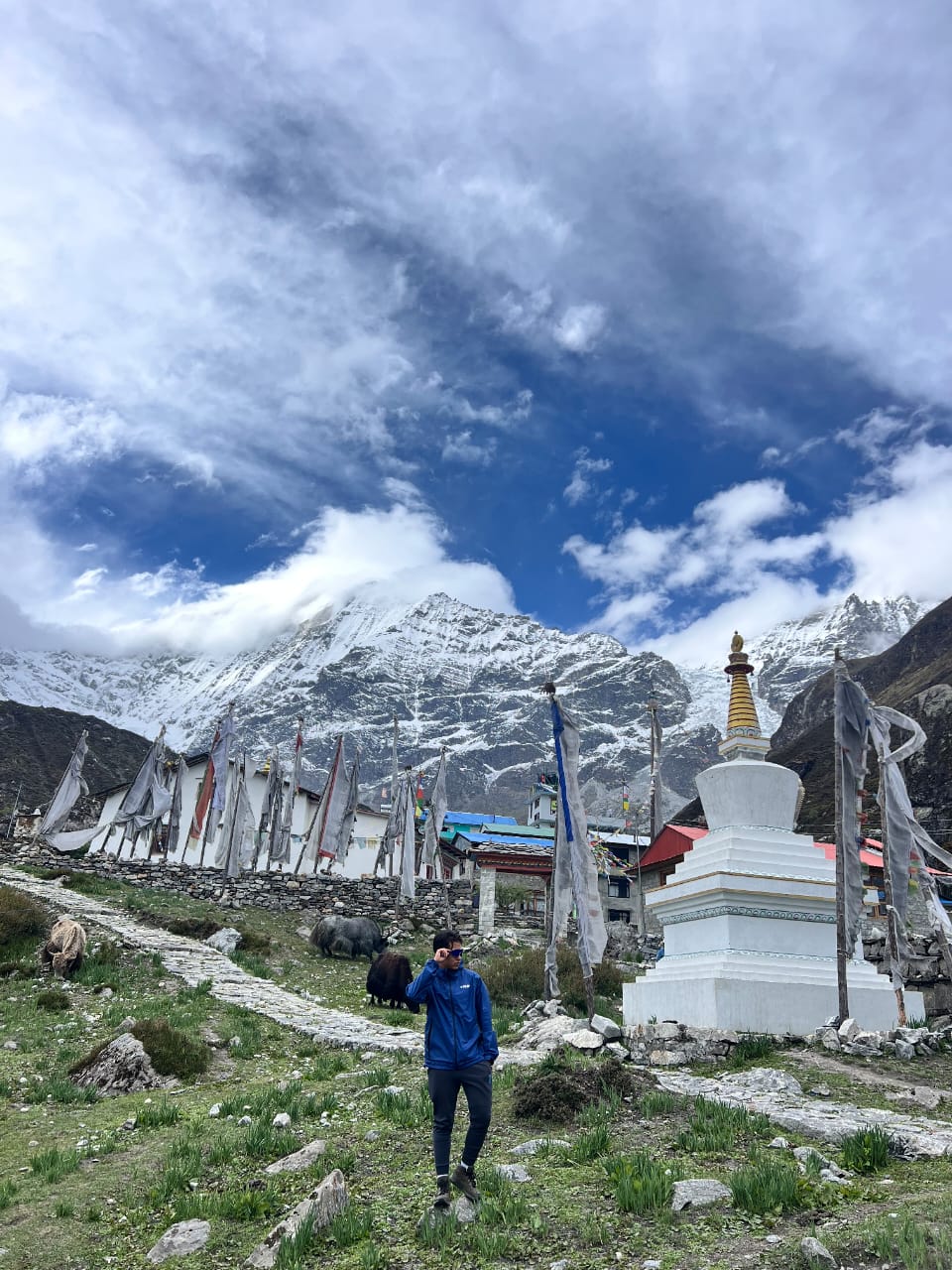
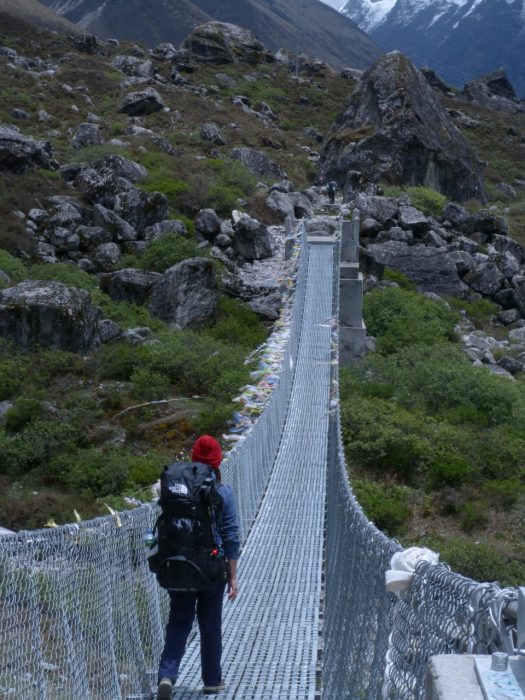
The Langtang region is famous for the Langtang Valley Trek, which lies north of Kathmandu. Almost a week-long day journey lets you immerse yourself in the heart of the Himalaya. The trail ahead passes dense forests, small streams, and offers stunning mountain views.

For the Langtang Valley trek, you need to take a bus to reach Syabrubesi. It is also an initial point to start the Ghosaikunda trek and the Tamang Heritage trek. In a route, you will see the terraced fields, small villages, alluring hills, and the Tirshuli river. 

Following the trail, you will pass through villages built with stones. Along with many walls carved with Buddhist prayers and colorful prayer flags. This region is also an ancient trading route between Kathmandu and Tibet. So, people of this place follow Tibetan Buddhism and Shamanic practices. Their traditional dance, music, food, house styles, and daily routines have remained today. This reveals how they have been deep into their culture and land for centuries. Also, their unique identity and the belief system they follow.

For beginner-level trekkers or hardcore adventurers. The Langtang Valley trek offers you exposure to new cultures and diversified landscapes. Throughout your trek, Planholidays Treks and Expeditions will ensure your lodging and food. And our expert guide ensures your safety and navigates the trail.
Facts about Langtang Valley Trek

  • Duration of the trek: 8-10 Days (drive to/from Kathmandu)
  • Overnight stay at high Elevation: 3,900m (Kyanjin Gompa)
  • Max Day Hike Elevation: 5,000m (Tsergo Ri)
  • Difficulty: Moderate
  • Best Season: Spring (March-May) & Autumn (Sept-Nov)

History, Traditions, and Lifestyle of the Lang Tang People

It is believed that the Tamang people of Langtang Valley came from Tibet in the 7th century. Following the order of the Tibetan King Srong-tsen Gampo to attack the Kathmandu valley. Later, they settled in that region and became horse traders between Nepal and Tibet. In Tibetan traditions, ‘Ta’ means horse and ‘Mang’ means trader, so Tamang are taken as horse traders. People of this region follow Buddhism, shamanism, and animism. For communication, they speak both the Tamang language and the Tibeto-Burman Language.

In traditional dress, men usually wear a Bakkhu (a long robe tied at the waist) with a topi (traditional cap).   Whereas, women wear blouses, skirts, and striped aprons, with jewelry called Yungri necklaces made of silver.

Rearing sheep and yaks is the major occupation for the Langtang Valley people for a living. Also, cultivate the seasonal crops like potatoes, barley, wheat, and millet. Plus, they operate homestays and lodges during the tourism season as a source of income. Visiting the yak cheese factory in Kyanjin Gompa offers you to explore the cheese-making process and taste it.

Tourism has played an important part in shaping the economy of the Langtang Valley. After the devastating earthquake of 2015 A.D. They had started constructing tea houses and homestays, and also provided porter services. In the Langtang Valley trek, you will be stunned by the generous hospitality of the Langtang people.

Buddhist Beliefs and Shamanistic Sacred Practices

People in the Langtang region are mostly Tibetan Buddhists. They follow Buddhism and practice Shamanism. Both aspects share the same similarities, but their beliefs and practices differ. In Buddhist philosophy, they emphasise inner transformation. The main focus is to transcend the cycle of rebirth (samsara) and achieve nirvana.

While in shamanism, they believe in healing and maintain balance with natural and spiritual dimensions. Through rituals, trance states, and spirit communication. To do this, Lamas (Buddhist priests) perform rituals and recite scriptures. As conducting ceremonies such as name giving and funeral rites. While Bonpos/jhankris, the shamans, are the intermediaries between the human and spirit world. They are often involved in healing rituals and exorcisms, usually requiring animal sacrifices.
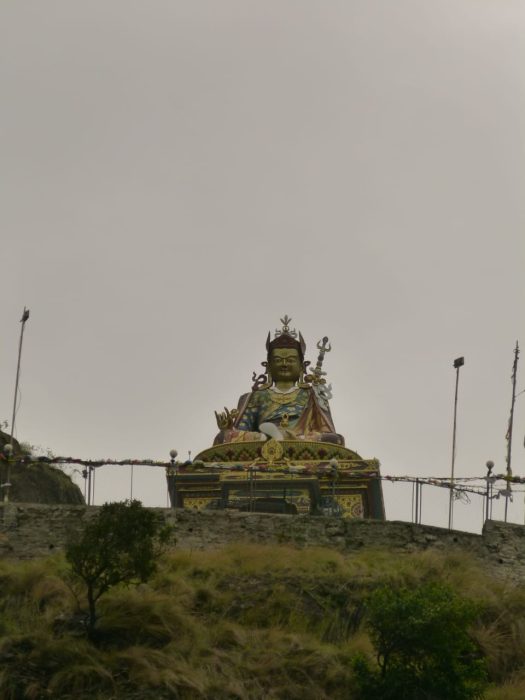
There are two sacred religious sites of the Tamang people, one lies at Langtang village, and the other in Kyanjin. According to the legends, Guru Rinpoche dropped a letter from the sky on Kyanjin. The letter prescribes the instructions from Guru Rinpoche to build four monasteries. It was an extreme challenge for the villagers to build 4 monasteries at that time, due to a lack of resources. So, they built 2 monasteries. These monasteries have deep religious importance for the Tamang communities. While doing the Langtang Valley trek, you can experience these two sacred relics of the Tamang communities.

Festival and local celebrations

Sonam Loshar

People of Langtang Valley celebrate the Sonam Loshar, which is a new year festival that falls in January or February( Magh in Nepali calendar). It marks the beginning of the Tamang New Year and changes in the 12-year cycle of the Tibetan Zodiac sign, based on animals. This is a time for family and relatives to gather and enjoy feasts. They also perform traditional cultural dances like Tamang selo, with a damphu (tambourine-like drum). Celebrations often take place near monasteries like Kyanjin Gompa.

Dumje festival

The local festivals celebrated in the Langtang valley include the Dumje Festival. This festival happens near Kyanjin Gompa. Where locals wear masks of different deities, animals, and humanoid mythical figures. The mask dance is not considered a performance, but a sacred ritual done by monks and tantric practitioners in honor of Guru Rinpoche, who is renowned as the founder of Tibetan Buddhism. On this special day, the Tamang and Sherpa communities also replace the flag of the Gompas. And also receive blessings from lamas, believing that one can get good health and prosperity in life.

Buddha Jayanti

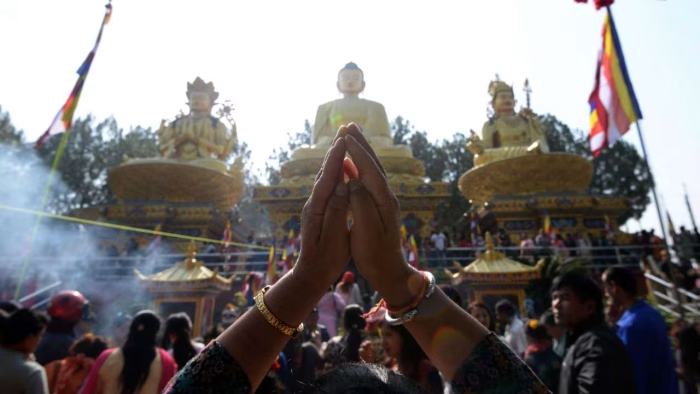
Buddha Jayanti is the day to commemorate the Buddha’s birth, enlightenment, and death. Various prayers and rituals are conducted at the monasteries of Langtang Valley. This precious event brings the community together in local monasteries like Kyanjin Gompa. During this time, Monks and Lamas chant the sacred mantras, creating a calm atmosphere. Whereas devotees offer butter lamps, fresh flowers to Buddha statues. 

Tamang Cuisine  and food in Langtang Valley

Cuisine and food are prepared based on the ingredients found in the surrounding area. The most common crops found in Langtang Valley are buckwheat, millet, and corn. Because of the unfavorable climatic conditions, there were fewer green vegetables. So, to preserve, they make gundruk (fermented spinach).

The food you will find during the trek includes corn or millet porridge served with Gundruk, Dal bhat, Buck wheat bread, and Tibetan chapati. You can also try locally made beverages like yak butter tea with salt, homemade Chhyang (millet beer), and buckthorn juice.

Basic accommodation can be found in the Langtang Valley Trek

  • Accommodation: You’ll find private rooms at most of the hotels, sometimes even with an attached private bathroom. Some places in the route, such as at Lama Hotel, can provide basic facilities. But many guesthouses, which were rebuilt post-2015 earthquake, are often quite nice. The only heated room will be the dining room, usually with a stove. Bring your sleeping bag. If you don’t want to use the hotel bed. 
    • Toilets: A mix of sit-down and squat.
    • Showers: Hot showers are often available, but sometimes it’s just too cold to take a shower.
  • Electricity & Wi-Fi: Some villages have hydropower; otherwise, it’s solar. You can usually charge devices daily, but expect to pay around 300 rupees for it. Wi-Fi is rare, but a Nepal Telecom SIM card might give you data coverage in many areas (signal depends on the weather!).
  • Food: You’ll eat at a guesthouse.
    • Breakfast: Porridge, eggs, pancakes, chapati/Tibetan bread with toppings (honey, jam, yak cheese).
    • Lunch & Dinner: Dal Bhat is the best! A big plate of rice, lentil soup (dal), veggie curry, and papad. It’s nutritious and fulfilling – “Dal Bhat power, 24 hour!” You’ll also find momos, noodle soups, pasta, fried rice, instant ramen, and mountain pizza.
    • Drinks: Hot teas, instant coffee, hot chocolate. Soft drinks like beer and even rum are available, but alcohol at altitude isn’t recommended for acclimatization.
  • Drinking Water: Bring a refillable bottle and a purification method. Tablets or a UV filter pen. This saves you money (bottled water is ~$2.50), which is costly. Using reusable bottles helps the environment. Stay hydrated, always!

 Music and dance forms in the Tamang community

Traditional music and dance forms have their importance in the Tamang community. Damphu and Tungna are traditional musical instruments. These carry an essence in their tradition and are often used in events like weddings, special occasions, rituals, and festivals. Also, they perform Tamang selo, where different dance styles with songs, humor, satire, sorrow, and joy will be expressed.

If you do the Langtang Valley Trek at the time of festivals or occasions, you will have a chance to experience it. But due to the modernization in communities, lots of traditional folklore and folk music have become extinct. So, to protect the remaining culture from extinction, the community should have unity and know its value.

In Buddhism-related rituals, Lamas often use a different kind of Musical Instrument. These include Vajra and bell sets, Large cymbals, Tingsha, Gongs, Drums, Conches, Damarus, chod drums, and Tibetan Trumpet. During special occasions, they perform the cham dance, a costumed ritual dance, which symbolises the victory of god over evil. For Shamanistic rituals, they use Dhyangro(drum), which is applicable while performing rituals. Striking dhyangro and spell mantras are part of invoking spirits and treating disease.


Sustainable Architecture of traditional Tamang houses

The Tamang houses in the Langtang region were constructed based on an environmental adaptation. They have used materials that are available in the area, like stone and wood. All houses in the region are two-story structures that keep heat on cold nights and provide cooling in summer. Roofs are often designed slope to shed heavy snowfall, and covered with slate or wooden shingles.

During the Langtang Valley trek, you can visit Goljung and Gatlang villages to explore traditional houses. Where local materials are available and used to make houses, that helps to reduce building costs. Mainly Wood and stone are used, which are biodegradable elements, causing less impact on the environment. So, Traditional houses in Langtang are living evidence of adaptive sustainability.

Best Time for Langtang Valley Trek

  • Spring (Mid-March to April): For the Langtang Valley trek Mid mid-March to April is considered the best time of year. If you plan to trek, you can see the beautiful Rhododendrons blooming, generally clear skies, and snowy mountain vistas.
  • Autumn (October to Mid-November):  October to Mid-November is the absolute time for the trekkers. where Crystal-clear skies, lush landscapes, moderate temperatures, and stunning mountain views. In this season, there will be more crowds than usual, but it’s worth it to visit and enjoy the scenery.
  • Mid-Seasons (Early March, Late November/December): At Mid-seasons, fewer people trek. During this season, you can see mesmerizing views of hills and peaks, and favorable weather conditions. December offers clear skies and mild temperatures.
  • Monsoon (June, July, August): In the Monsoon, the paths will be too wet, too cloudy, and lots of leeches. Views disappear. But if you are an ecophile and adventurous. You can even trek in monsoon; it will be a unique experience.
  • Winter (January, February): Winter brings extreme cold, lots of snow, and many guesthouses are closed. Unless you’re an extreme winter trekker, skip it.

Essentials packing list

  • Layers: Base layers, fleece, an insulating layer (down jacket), windcheater jacket. If you travel in summer, a raincoat is necessary.
  • Footwear: Hiking boots or shoes are crucial. Micro spikes are needed when climbing higher sections like Tsergo Ri if there’s snow.
  • Sleeping Bag: Essential for warmth and hygiene.
  • Trekking Poles: useful for the rocky path, prevent knees while descending
  • Head Torch: For early mornings or power outages.
  • Water Bottle/Bladder: Purification tablets ( aqua tabs)
  • First Aid Kit: Blisters, basic medication for pain, altitude sickness medicine (Diamox). Consult a doctor before taking it.
  • Essentials: Passport, travel insurance details, power bank, snacks.

Safety & Acclimatization:

          Your health is important.

  • Acclimatization is Key: ( Our 8-day) itinerary was designed for better acclimatization. The standard route sometimes has a high altitude section (e.g., Lama Hotel at 2,500m to Langtang at 3,500m in one day).
  • General Rule: Above 2,500m, ascend no more than 300-500m a day for sleeping. Add an acclimatization day.
  • Kyanjin Gompa Stay: Staying in Kyanjin Gompa lets you do both Kyanjin Ri and Tsergo Ri without rushing, and allows our bodies to properly adjust to the altitude.
  • Guides: A guide is important. For handling logistics (transport, accommodation, bills). Also can pre-book rooms and offer invaluable cultural insights. Add to this, they’re a massive help if anything goes wrong.
  • Porters: You can also hire a porter to carry your main bag, leaving you with just a daypack.
  • Drones: Extremely expensive and complicated permits. So drop your plan.

Cost & Inclusions/Exclusions: What to Budget      

          Costs vary depending on how you trek.

  • Per person: Budget around $24 per day. This covers the cheapest accommodation, basic meals, and public bus transport.
  • All-Inclusive Package (with guide, nicer accommodation, private jeep): Expect to average around $100 per day.

Permits and Regulations

  • Langtang National Park Entrance Fee: For the Langtang National Park entrance fee, you have to pay around NPR 3,000 (about 25$ -30$). You’ll pay this at the entrance gate.
  • TIM’s card: It is necessary for trekker safety, which will cost NPR 2,000 (about $16 USD). For individual trekkers, NPR 1,000 (about $8 USD) for those trekking with an organized group
  • Guide Rule (as of April 2023): The Nepali government announced a rule where a guide is mandatory for all foreign trekkers. Before your trip, check current trekking forums or Facebook groups for the latest on-the-ground info. The situation can change.

Why Choose Planholidays for this Trek?

Over a decade of working in the travel industry, Plan Holiday stands out as the top destination management company. Partnering with us for the Langtang trek will be a fantastic experience. The team of our company, who organized everything perfectly, and our guides, who are knowledgeable, experienced in their job. Help you introduce the places, culture, lifestyle, and tradition. Which will be unforgettable memories to you (for life long).

Conclusion

Langtang Valley Trek is the most suitable (8 days )trek journey for beginner or moderate trekkers. With breathtaking Himalayan scenery, rich Tamang culture and hospitality, also rewarding challenges. The charm of these places, plus they are less crowded than other popular areas. This provides the trekkers a memorable Himalayan experience, which will remain in their mind (for life lifetime).

FAQs of Langtang Valley Trek

1. How long is the trek?

6-8 days for the trek, plus 2 days for arrival and departure to/from Kathmandu.

2. Do I need a guide?

The current official rule says yes (since April 2023). However, enforcement varies. Best to see the present trekker forums for the latest news. But a guide is needed for safety and logistics.

3. Can I trek solo?

Possibly, it is safer and convenient to hire a guide.

4. What’s the food like?

Teahouse, in common diet includes Dal Bhat, noodles, and basic Western options. Filling and nutritious!

5. Are there ATMs on the trail?

No. Carry enough cash.

6. What if I get altitude sickness?

Ascend slowly, hydrate your body. Your guide will oversee you. If severe symptoms arise, descent to lower elevation is the only cure.
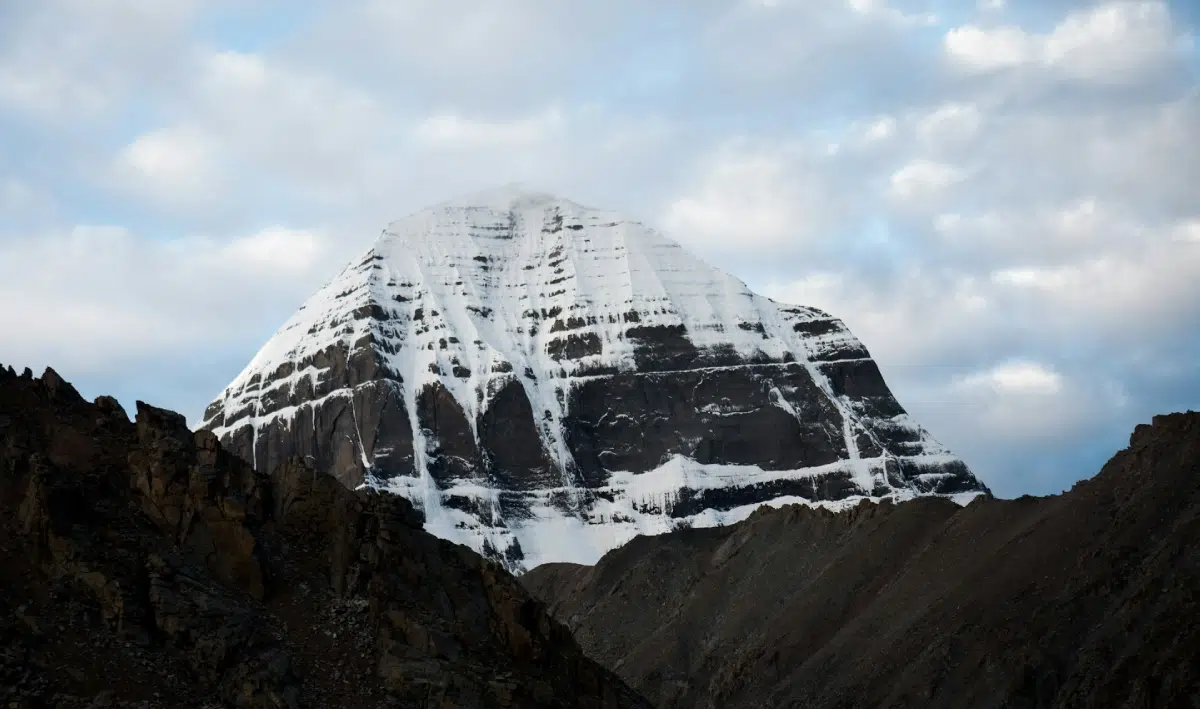
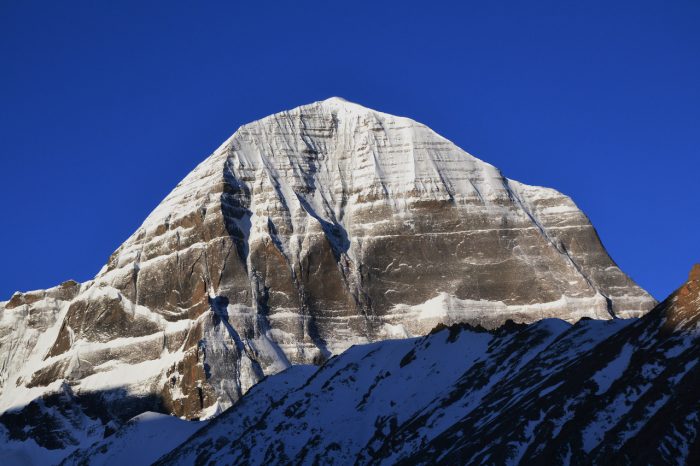
Mount Kailash and Lake Manasarovar Overland pilgrimage Tour

An overland tour to Mount Kailash and Lake Manasarovar is a journey that traverses the western Himalayan region of Tibet, China. This majestic mountain holds a strong spiritual belief and faith among people of different religions. For Hindus, Kailash is the home of Shiva and his wife Parvati. Buddhists see it as the center of the universe, and in Bon and Jainism, it is respected as a sacred site connected to divine beings.

Alongside, there is the wondrous Lake Manasarovar, the highest(4,600m) freshwater lake in the world. From a Hindu perspective, they refer to it as a lake of the mind created by lord Brahma. Whereas Buddhists call it the Lake of Measureless Perfection, it is believed to cleanse souls and wash away bad karma. Jains consider it to be freeing the soul from the cycle of birth, and Bon sees it as the reflection of a heavenly lake full of spiritual power.

Mount Kailash is not mark only as a spiritual symbol; it is also the root point of Asia’s most vital rivers. From its eastern slopes, the holy Brahmaputra River flows, which saturates the land across Tibet, India, and Bangladesh. The western side provides the source for the Sutlej River, which travels through the Himalayas to the plains of Punjab in India. To the north, the Indus River flows through Jammu, Kashmir, and Pakistan and mixes with the Arabian Sea. From its southern slopes, the Karnali River flows through western Nepal, becoming the Ghaghara River in India.

Every year, thousands of pilgrims visit the sacred Mount Kailash and Lake Manasarovar. Tibetan pilgrims do the Kailash kora, a spiritual walk around the mountain. Whereas Hindus call it Kailash Manasarovar yatra, believing it cleanses sins and earns good deeds. Throughout the Journey, visitors can experience the diverse landscapes, rich local cultures, and an inner sense of spirituality. This pilgrimage tour is true evidence of faith and devotion.


Our Journey to Mount Kailash

From Kathmandu valley, our Overland journey to Mount Kailash will start and end at Kathmandu. First, we will drive to the Rasuwa Kyirong border. After completing all border formalities, our next stop for the day is Kyirong town, situated at 2,700 meters. This day is crucial to acclimate your body.

Today, we will drive from Kerung to Saga, a journey that will take around 4 to 5 hours. You will stay at Saga and prepare for our next leg of our trip. Saga is a junction where heading east will lead to Lhasa while heading west will lead you to Mount Kailash and Manasarovar.

In the Morning, after a long 8 to 9-hour drive on the Tibetan Highway, we will arrive at Lake Manasarovar. You will stay overnight near the lake in a tent or lodge. The very next day, before heading to Darchen, we performed rituals at Lake Manasarovar for the success of our journey. Darchen is the place where our Kailash Kora begins and finishes. The benefits of an overland tour to Mount Kailash include acclimatizing, breathtaking landscapes, and cultural immersion.

Spiritual importance of Mount Kailash and Lake Manasarovar

Mount Kailash: sacred place

Kailash mansarovar
Kailash mansarovar

Mount Kailash, a mesmerizing peak reaching a height of 6,638m, is considered to be the cosmic center of the universe. The mountain is notable for its pristinity because no human has successfully climbed its summit. This is not due to bad weather conditions or challenging terrain. Instead, religious beliefs and rules were enforced by the Tibetan government, not to disturb its sacred peace. Visiting Kailash can make you feel its aura and profound divine power.

Its Importance in Hinduism, Buddhism, Jainism, and Bon:

  • Hinduism: From the Hindu context, they see Mount Kailash as the home of lord shiva. They recognize him as the destroyer and transformer of the world. All life thrives in this universe, with Shiva as its source. Hindu pilgrims believe that a journey to Kailash can erase sins and grant liberation.
  • Buddhism: Among the Buddhist followers, Mount Kailash is considered to be the abode of Demchog (Chakrasamvara). In addition to this, a Buddhist monk named Milarepa, a renowned Tibetan yogi, has meditated in its caves. Buddhist philosophies hold that circumambulating around the mountain is a path to enlightenment.
  • Jainism: In Jainism, Mount Kailash is identified as Ashtapada. The place where their first Tirthankara, Rishabhannatha, got liberation. Jain people visit this site seeking enlightenment and purification.
  • Bon: Within the indigenous Bon religion of Tibet, they refer to Mount Kailash as a nine-story swastika mountain. And according to their spiritual leader, Tonpa Shenrab Miwo. The place is scary, where spirits live and where the universe’s power is located.

The Concept of Kora (Circumambulation) and its Spiritual Benefits:

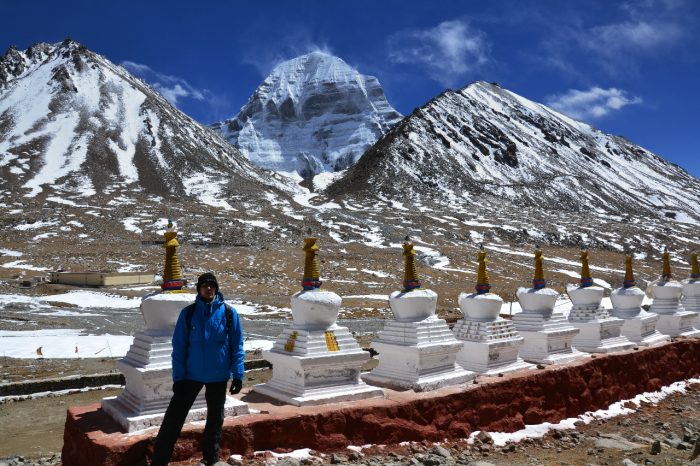
The kora or parikrama of Mount Kailash is the ritual circumambulation of this holy mountain. This journey of circumambulation, which is 72 km long, is not just a test of physical endurance but as an insightful spiritual experience. Doing this kora can cleanse the accumulated sins, purify the soul, and bring immense spiritual virtue. It’s believed that, if one has completed the 108 koras, they will get instant nirvana (liberation).

Mt kailash
Mt kailash

Generally, Hindus and Buddhists undertake this kora clockwise and will complete it in just three days, whereas others take longer. The interesting fact is that this kora is counterclockwise. This high altitude and difficult terrain is a testament of faith and one connection to the divine.


Lake Manasarovar: Holy lake

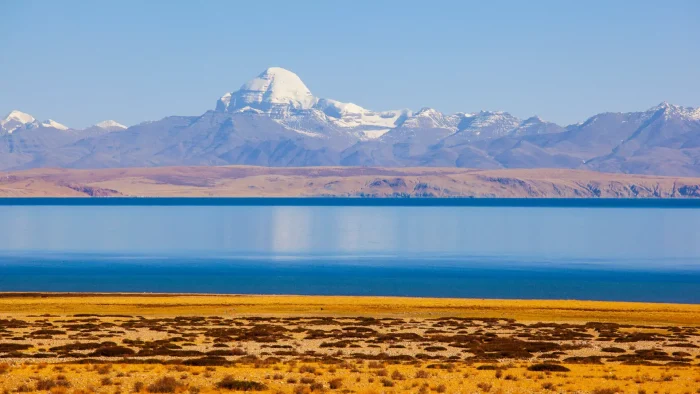
Lake Manasarovar, situated at 4600m, situated below Mount kailash, is a beautiful, freshwater, turquoise lake. This lake is valuable not just for its stunning looks, but also, it holds significant meaning for different religions. Considered a holy lake, a quick dip in its cold water can wash away sins, cleansing souls and opening a path to spiritual freedom.

mansarovar lake trek

Apart from spiritual tales, its pure, clear, super cold water sourced from glaciers has healing powers for both body and mind. So, visitors often take some water with them for good health and luck. This lake’s colors change throughout the day and with the seasons. You can witness this phenomenon during the Manasarovar visit. In brief, Mount Kailash and Lake Manasarovar stand as symbols of faith and personal spiritual journeys.

The sacred Kailash kora trek

Day 01: Darchen to Derapuk Monastery

track of mount kailash
track of Mount Kailash

Today begins our spiritual journey encircling Mount Kailash, known as the kora. This 13 km trek, which takes around 6 hours from Darchen to Derapuk Monastery, is filled with excitement and spiritual reverberance. Darchen offers marvelous views of towering peaks. Our sacred journey to Mount Kailash begins with a short bus ride from Darchen to Yama Dwar. Known as the “Gateway of the god of death” in Hinduism and Buddhism. The starting point of the Kailash Kora trek gives a magnificent view of Mount Kailash’s northern face. Entering through the Yama Dwar feels like stepping into another realm, and you will undoubtedly feel the energy of this place. At night, we will stay at a local guest house in Derapuk, where the people are very welcoming and friendly.


Day 2: Dirapuk to Zutulpuk 

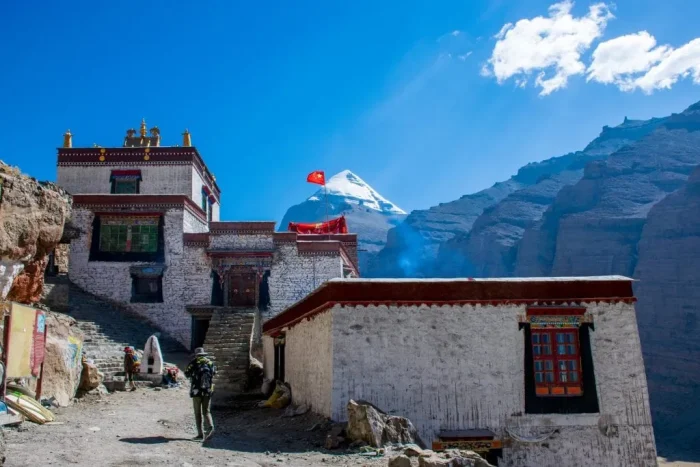
After an early breakfast, we’ll kick off our trek. The hike is quite challenging, involving about 3 to 4 hours of steady uphill walking and then roughly 2 hours of descending to reach the foot of Mount Kailash at 5,670 meters. Along the way, you might catch sight of Tibetan blue sheep grazing on the slopes or see rivers flowing straight from nearby glaciers. Because Mount Kailash is so sacred, climbing all the way to the top isn’t allowed. Legend has it that only Yogi Milarepa has ever managed to reach the summit.


Day 3: The Ultimate Challenge – Crossing Dolma La Pass

Crossing Dolma La Pass

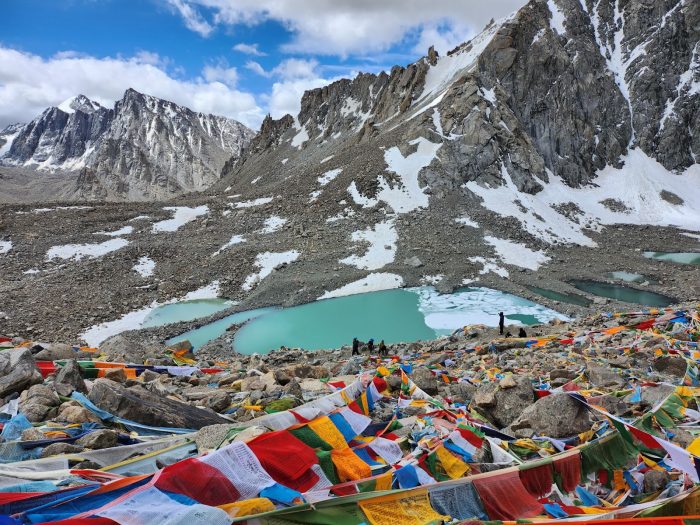
Waking up with Mount Kailash towering right behind our guesthouse made for a surreal experience, especially given the challenge ahead: crossing the formidable Dolma La Pass at 5,670 meters (18,602 feet). This hike near Zutulpuk Monastery, around 20 to 25 kilometers, became the longest and most demanding one that we have attempted. Bright green environments, bright blue skies, and Kailash majestically watching us were completely stunning as we started a steep climb over several passes. We made a decision to begin our kora adventure. Along the way, fellow pilgrims inspired this decision.

After we crossed Dolma La, our descent started. We passed by the sacred Gauri Kund lake, so we stopped for some tasty Tibetan tea at a local guesthouse. Then, we did enjoy a walk that was peaceful and downhill. The beauty of the valley made for an even better time. On the trail for nearly nine hours, we finally arrived at Zhuluk Monastery because we were exhausted but happy, and we settled into our room with that incredible mountain view that made everything worthwhile.

Day 4: The Final Stretch – Back to Darchen

  • Today marked our final day on the Kora. After saying goodbye to the trail, we’ll head back to Darchen and then begin our long journey home. We started our last 7 km trek right after an early breakfast. You’ll love the peaceful walk downhill along that stunning river. Along the way, you can see fellow pilgrims finishing up their last prostrations, completing the sacred circuit. The official end of our Kora was at a remote tea house, and from there, we continued all the way to Darchen. It was truly a spiritual experience. Crossing those high passes and completing the Kora was nothing short of magnificent. 

Essential Preparation for Your Mount Kailash Overland Tour

Visa and Permits

  1. Chinese Group Visa

  • If you are a traveler from outside China and want to enter Tibet overland from Nepal to Kailash, you have to obtain this visa.
  • It is not a common single-entry visa, stamped individually, but in the form of a group visa foiling for all in the tour group.
  • Most of the tour groups require at least five persons, whereas in some other cases, it can be changed as per the requirements of the tour operator.
  • All should go in and out of China as one group–no breaking up once you have arrived there.
  • It is not your country that issues this visa but from the Chinese Embassy in Kathmandu.
  • Normally, it is valid for about 15 to 30 days and may allow one entry only.


  1. Tibet Travel Permit (TTP)


  • This is the must-have document for all foreign visitors to Tibet.
  • The office authorized to issue such a document is the Tibet Tourism Bureau, Lhasa.
  • However, only specialized Chinese travel agencies are entitled to process this permit.
  • In your endeavor to travel to Tibet, whether by air, train to cross the border, a permit will be necessary.
  • The permit clearly states the entry point as well as the dates of traveling and the destinations to visit.


  1. Alien’s Travel Permit (ATP)


  • If you want to visit restricted areas of Tibet like Mount Kailash or Lake Manasarovar, then this paper is a must.
  •  It is awarded after one has reached Lhasa in Tibet by the Public Security Bureau of Tibet.
  • Most of the time, your travel agency or tour guide should be in a position to process it for you.
  1. Military Permit

  • You’ll need this permit if you plan to visit sensitive border areas like Ngari, where Mt. Kailash is located.
  • The permit is issued by the Military Authority in Lhasa.
  • To get one, you must go through an authorized travel agency – no exceptions.
  • Keep in mind, it usually takes about 10 to 15 working days to process your application.


  1. Foreign Affairs Permit

  • You might need this permit alongside the Military Permit, especially depending on your nationality.
  • It’s necessary when you’re traveling to regions that are diplomatically sensitive.
  • You’ll get it from the Foreign Affairs Office located in Lhasa.
  • Don’t worry, your travel agency will handle all the paperwork for you.


Health and Acclimatization

Physical Fitness

Pre-trip Training: 

  • Do cardiovascular exercises, hiking, jogging, and cycling to build stamina. 
  • Strength training for legs, core, and upper body. Flexibility exercises, such as stretching or yoga so as not to get injured.

Medical Clearance:

  •  See a doctor before traveling if pre-existing conditions exist in you. 
  • Obtain a fitness certificate where required while traveling in high altitudes.


Altitude Sickness (AMS)

Understanding symptoms

  • Proper knowledge of altitude sickness will help you know the problem at its starting point. These include headaches, nausea, weakness, and fatigue or loss of appetite.
  •  If it gets worse, it might lead to severe conditions such as HAPE or HACE.

 Prevention

  • Ascend gradually–remember the rule: climb high, sleep low.
  •  Keep well-hydrated, and avoid alcohol and smoking while ascending.
  •  Take time at intermediate elevation for your body to acclimatize.

Medications  & Support

  • Diamox (Acetazolamide)- for acclimatization (doctor’s advice is essential).
  •  Portable oxygen or pulse oximeter for emergencies.

Medical Facilities in Tibet

  • Tibet has both well-equipped clinics as well as hospitals for providing emergency care for access to oxygen therapy.
  • Tour agencies and hotels often give AMS support or medical referrals.
  • Travel insurance should be carried by you, and it should cover high-altitude illness, including evacuation.

Hygiene and Sanitation

Facilities

  • Basic or no toilets in remote or high altitude areas.
  •  Pit toilets, bio-toilets, and open-air sites will have to be used for Personal Hygiene.

Essentials

  •  Biodegradable wet wipes, hand sanitizer, and toilet paper.
  • Use soap sheets or waterless body wash for personal cleaning.
  • Bring yourself biodegradable wet wipes, hand sanitizer, and toilet paper.


Packing List for Lhasa

  1. Clothing:
  • Base layer: Same thermal innerwear as a base layer for cool mornings. 
  • Mid layer: Fleece or synthetic insulation jacket, or for climbers – the light down jacket.
  • Outer layer: Hardshell, a windproof and waterproof jacket (in case of rain).
  • Comfortable pants: Quick-dry trekking trousers.
  • Shirts/t-shirts: Lightweight shirts or t-shirts for day-wearing are preferable to be breathable and moisture-wicking.


  1. Footwear
  • Well-worn hiking boots: Especially useful if acclimatization treks are planned around Lhasa.
  • Comfy sports shoes: Most suitable for wandering markets, monasteries, and city streets.
  • Camp shoes/slides: For indoors or hotel use.


3.Essentials

  • A headlamp or torch helps with early starts. Also, it may assist during power failures.
  • Sunglasses with high UV protection at this altitude are truly necessary.
  • A wide-brimmed hat or cap protects one against the sun during the day.
  •  Sunscreen may well be suitable for sun exposure at a high altitude.
  • Include altitude sickness medication like Diamox, headache medicine, band-aids, etc. This is for your first-aid kit.
  • Regular medications: Do bring any prescription drugs if you have a full supply.
  • Toiletries include shampoo, biodegradable soap, toothpaste, toothbrush, etc.
  • For hygiene, especially within public restrooms: Hand sanitizer & wet wipes.
  • Face mask: useful for dust.
  • Use either a camera or a smartphone. They are perfect for capturing Lhasa’s temples, palaces, as well as markets.
  • Though electricity is reliable then extra batteries and a power bank are important on excursions.
  • Use a refillable water bottle to hydrate. Also, bottled mineral water is easy to get.
  • Bottled mineral water.
  • Those feeling effects from altitude may request to carry oxygen cylinders.


Best Time to Visit Kailash Manasarovar Pilgrimage Tour

The best time to do the Kailash Manasarovar Yatra is usually from May to October. The weather’s pretty good then, and you’ll get clear skies, which makes the whole trip way better. If you don’t mind some rain and like it warm, June through August could work. Everything looks super green then. It might rain in some parts of the Himalayas, like during the monsoon, but Tibet usually stays pretty dry.

If you’re on a spiritual path, try to go during the Saga Dawa Festival in May or June. Buddhists think all the events at Mount Kailash are really important. If you’d rather have cooler weather, less crowded spots, and awesome mountain views, September to October is the ideal time to visit. The skies are usually clear then, so you’ll see some amazing stuff. Just remember, no matter when you go, mountain weather can change fast, so be ready for anything.

Accommodation and Food

Particularly on the Kora circuit, you will find rather basic accommodation in the form of guesthouses or camps with tents. Luxury is not to be expected since these places are all about providing a roof over one’s head after a long day’s walk. Beds are basic and baths are shared, and quite straightforward in their approach. In larger towns like Darchen, some slightly nicer hotels do exist, offering more comfort.

Mostly, food options are Nepali or Tibetan, with common staples, rice and noodles, and hearty soups such as Thukpa and Thenthuk, and dumplings known as Momo. With you going to really remote areas, food safety will be a really huge thing to ensure.

The tour operator should make certain that the meals are prepared by experienced cooks who have an idea regarding high altitude food preparation, along with good hygiene, which needs to be maintained. Boiled or bottled water should be provided, and never take raw veggies or anything that isn’t thoroughly cooked.


 Communication

Expect limited network connectivity on your Kailash tour. Some signals may be available in places like Darchen or Saga, but once you are out on the Kora, chances are that you will not have many mobile networks, even if international roaming is activated on your home SIM; it might work off and on, but do not depend on it. You cannot use WhatsApp or Facebook in Tibet because of Chinese restrictions on the internet, so perhaps you can use WeChat to contact the locals there.

Getting in touch with the guides is important, as they are the main point of contact and will have emergency communication gadgets if need be. It’s a good idea to talk about communication plans with your guide at the beginning of the trip.


Money and Expenses

Chinese Yuan (CNY) is the local currency. It is recommended that you carry enough cash for your personal expenses, as in many remote areas ATMs are few and far between.


Tipping: It is a common way of appreciating guides and porters for their hard work and support throughout the trip. Your tour operator will advise you on how much to tip.


You will also have to budget for any unforeseen costs. These may crop up as and when things happen beyond the control of a traveler, like natural disasters that may delay one and call for extra accommodation or transportation. Lost items or personal medical needs can also bring in extra costs. Make sure that you have full travel insurance, comprising high-altitude trekking, medical emergencies, and emergency evacuation.


Cultural Etiquette and Respect

Tibet is one of the most spiritual places in the world, so it is very important to bear in mind the local customs while you are there. People would really appreciate it if you dress modestly, especially when you visit monasteries or holy sites.

Always ask permission before taking photographs of people, particularly monks or anybody involved in any religious practices. Also, best not to touch any religious items as a mark of respect.


When one enters monasteries, one would do well to remember to take off his shoes if someone asks one to, talk softly, and not touch anything. It also really boosts connections with people and makes interaction very friendly if one can learn a few Tibetan words, such as “Tashi Delek,” which means “hello” or “best wishes.”


 Safety and Support

Safety is always a first priority during the Kailash Kora trek. So being with the experienced guides, who support in that difficult terrain, is best. Should have knowledge about the signs of altitude sickness and know the local environment. They will take care of your health and acclimatization, also providing basic medical facilities if needed.

It is mandatory to know the emergency contact details. However, the guide or tour leader carries essential objects such as oxygen cylinders and first aid kits. Kailash is tightly regulated for helicopters, so during the journey, it is better to have travel insurance to cover any kind of uncertainties. Always pay attention to your guide’s instructions, and don’t hesitate to speak up if you’re feeling unwell or notice any symptoms of weakness.


Conclusions

Mount Kailash Kora isn’t about physical endurance, yet it is a profound connection of physical and spiritual self to the vast cosmos. The magnificent mountain and its legendary stories define the sacredness of this place. Plus, Hospitable local people create lifelong memories on this journey.

Being part of this pilgrimage tour is a grand chance and an opportunity you’ll never forget. The memories you make and the peace of mind you feel are priceless.

Mount Kailash draws visitors from around the world with its timeless beauty and spiritual allure. Every step of this journey narrates its own story in this Pilgrimage tour. Make your journey unforgettable and comfortable with Planholidays Travels and Tour Pvt. Ltd. We’re dedicated to making sure your trip is safe and filled with wonderful moments.


Tibet Lhasa Tour: An overland guided tour

An overland guided tour to Tibet, Lhasa, is a profound experience for travellers. Who wants to explore diverse landscapes, rich history, lively culture, and remarkable architecture? The tour starts in Kathmandu. Leaving from Kathmandu, your adventure starts with an ascent climb with panoramic views of the valley. On a clear, glowing day, distant Himalayan peaks can be seen. Going ahead, you’ll navigate through the edge of Shivapuri Nagarjun National Park, covered with lush green forest.

Moving forward in the journey, your route follows the powerful Trishuli River. Scenic terraced farmlands cover the hill, and you can see sal, pine, and oak trees along the way. In the spring season, rhododendrons flower and cover this forest with a vibrant red color. Dhunche marks a significant point ahead and also a gateway to Langtang National Park.

While stretching to the Rasuwagadhi border, the landscape changes into steep slopes and rocky terrain. The historic Rasuwa Fort is a remarkable sign of an ancient, significant trade route. As you continue your drive, there is less vegetation than in Nepal. After crossing the border at Gyirong, you will drive through the Friendship Highway. And our Tibetan guide will greet you at the border for the next phase of the journey. This road is famous for its stunning mountain views and vast grasslands.

Upon entering Tibet, the landscape transforms from a lush green hill into the vast Tibetan Plateau. You will experience the changes in the air, which become thin and dry. As you ascend higher, the plateau opens up with wide, empty spaces; gentle hills traverse far into the distance. On your journey, you might spot Tibetan antelopes, wild yaks, Tibetan snowcocks, and black-necked cranes.

This whole tour by overland from Kathmandu to Lhasa is much more than a usual journey. It is an opportunity to explore new cultures, experience amazing landscapes, and immerse oneself in the spirit of adventure. As our journey proceeds to the heart of Tibet, Lhasa, I am eager to share the incredible wonders and unexplored riches that await you.

Kerung Town, the first stop of the journey

You will first stop at Kerung town, also called Jilong in Chinese, which serves as the hub for trade and tourism between the two countries. The town is considered the “Town of Forest Valley”. Kerung receives the subtropical mountain monsoon, so there is thick vegetation in this place. Mountain vistas of the magnificent Ganesh Himal Range, Langtang, and Lirung are the attraction points for visitors. Its lower altitude, around 2700m, compared to the other Tibetan places, makes travellers acclimatize for the journey. In the town, you can observe the diverse Nepali and Tibetan ways of life. And as you walk through the street, Nepali restaurants and shops are enclosed everywhere. The most remarkable structure is Tibet’s only temple, constructed in the Nepali style.kerung overland


High Mountain Roads, Passes, and Turquoise Lakes

On this journey to “The Roof World,” you will drive through some glorious mountain passes from 4000 to 5,200 metres. En route, we will take a short break at Kong Tang Lamu pass to admire the beauty of these landscapes. Views from this height are indeed stunning; it’s incredible to think how they are able to construct roads in this terrain. After that, we’ll move toward Piku Lake, situated at an altitude of 4,591 meters. Its shiny turquoise water is alluring to watch. The drive from Kerung to Saga is astonishing. In the lush green field, you can spot yaks grazing if you visit in the months of April to October. And you can also catch a glimpse of towering Himalayan mountains, like Langtang and Shishapangma, rising above.Turquoise Lakes


Tingri: A Land of History and Himalayan Panoramas

Tingri is beyond a high-altitude plain; it is a place soaked in deep history. Once upon a time, this place was the battleground between Nepal and Tibet. During a major historical conflict, Nepali forces managed to take control of Tingri and nearby areas, like Kuti and Kyirong. After the fighting, some important talks took place. In consequence, the two nations signed an agreement to never invade each other again. Moreover, Tibet agreed to pay Nepal money every year and permitted it to establish its trading post.

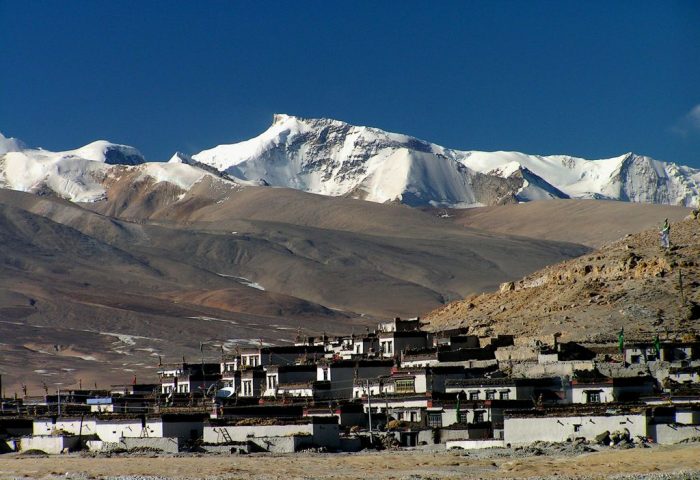
Today, Tingri is famous for its Towering mountain views of Everest (8,848 m), Lhotse (8,516 m), Cho Oyu (8,201 m), and Makalu (8,463 m). Which makes it an ideal location for mountain enthusiasts and landscape photographers. You will also spot Tingri Airport on the journey, renowned as one of the highest airports in the world.

During the journey, we will have Lunch in Tingri at a local restaurant situated 4200 meters above sea level. This will be a great experience. Their hospitality and the scenery of the surrounding area make it unforgettable. After lunch, our journey continues as we ascend another high mountain pass called Tong La Pass, situated at 5,100 meters, to reach the Roof of the World.

Himalayan Panoramas


Shigatse: Heart of Tibetan Buddhism

After a full day’s drive on the road, we finally arrived in Shigatse (also known as Xigazê), Tibet’s second-largest city. The city welcomed us with a lively Nepali restaurant. A traditional kata scarf welcomed us, offering warmth and comfort after a long day’s journey.

We’ll ensure you have a comfortable and cozy stay in a hotel in Shigatse. In the morning, after a short walk, we’ll visit the famous Tashilhunpo Monastery, established in 1447 by the first Dalai Lama. The monastery follows the Gelug traditions and emphasizes monastic discipline, which Je Tsongkhapa started in the 14th–15th century. Once the monastery was home for over 3,800 monks, today only 800 monks continue their spiritual legacy. The monastery houses a renowned giant bronze statue of Maitreya Buddha, adorned with over 1,400 valuable ornaments. It took skilled artists more than four whole years to create this masterpiece.

This monastery holds historic importance as it is the traditional home of the panchen lamas, who are the second major spiritual leaders in Tibetan Buddhism. While visiting, you’ll feel the reverberation of positive energy and admire the decorative artwork. Please note that taking pictures inside is strongly prohibited. However, a visit to this place is heartily recommended for powerful experienceTibetan Buddhism


Gyantse & Kumbum Stupa – A historic Tibetan town

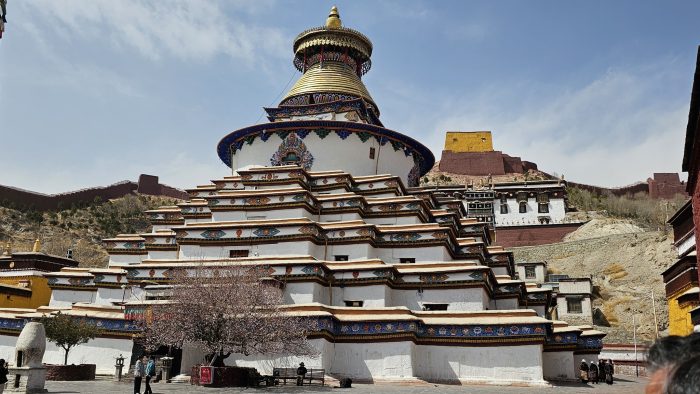
Gyantse Dzong, a fortress that stood strong against a British invasion in 1904. It’s a mark as a symbol of the town’s resilience and pride. This multi-story stupa was built by a local prince named Rabten Kunzang Phak in 1427 A.D. It is also part of the Pelkor Chode Monastery complex. With its magnificent architecture, the Kumbum draws visitors into a world of spiritual wonder. This building is designed in a three-dimensional mandala, a sacred figure representing the Buddhist cosmos. Inside it, there are hundreds of thousands of images of Shakyamuni Buddha (the historical Buddha), Maitreya (the Future Buddha), Buddhas of the Three Times, and various other Buddhas. You’ll also find a variety of tantric deities, protective deities, and other figures from the Buddhist cosmological system.Kumbum Stupa


Scenic Road Via Shigatse to Lhasa

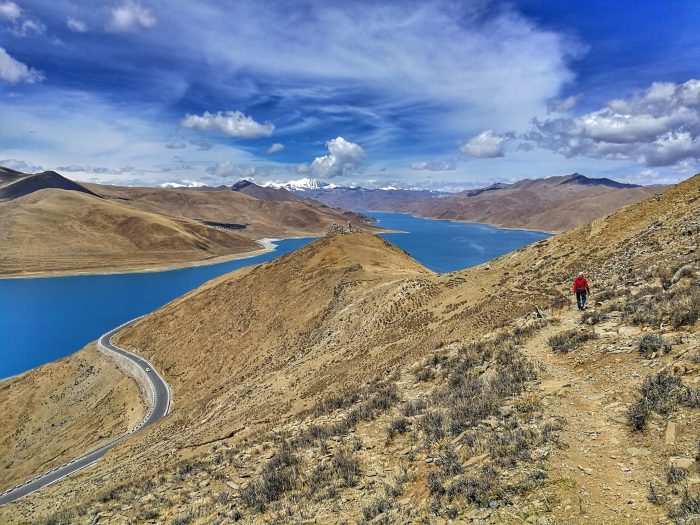
During the drive from Shigatse to Lhasa, the largest city of Tibet, it takes about 8-9 hours to cover a distance of 360km. Leaving Shigatse, heading toward Lhasa, is captivating. The panoramic drive through the Mountain passes like Kamba La Pass, around 4,790 meters above sea level, is an overwhelming experience. Along the route, you will see Yamdrok Lake nestled at 4,442m. The longest lake in Tibet, which is 72 kilometers, and one of the highlights in the journey.Shigatse to Lhasa

Attraction of Lhasa

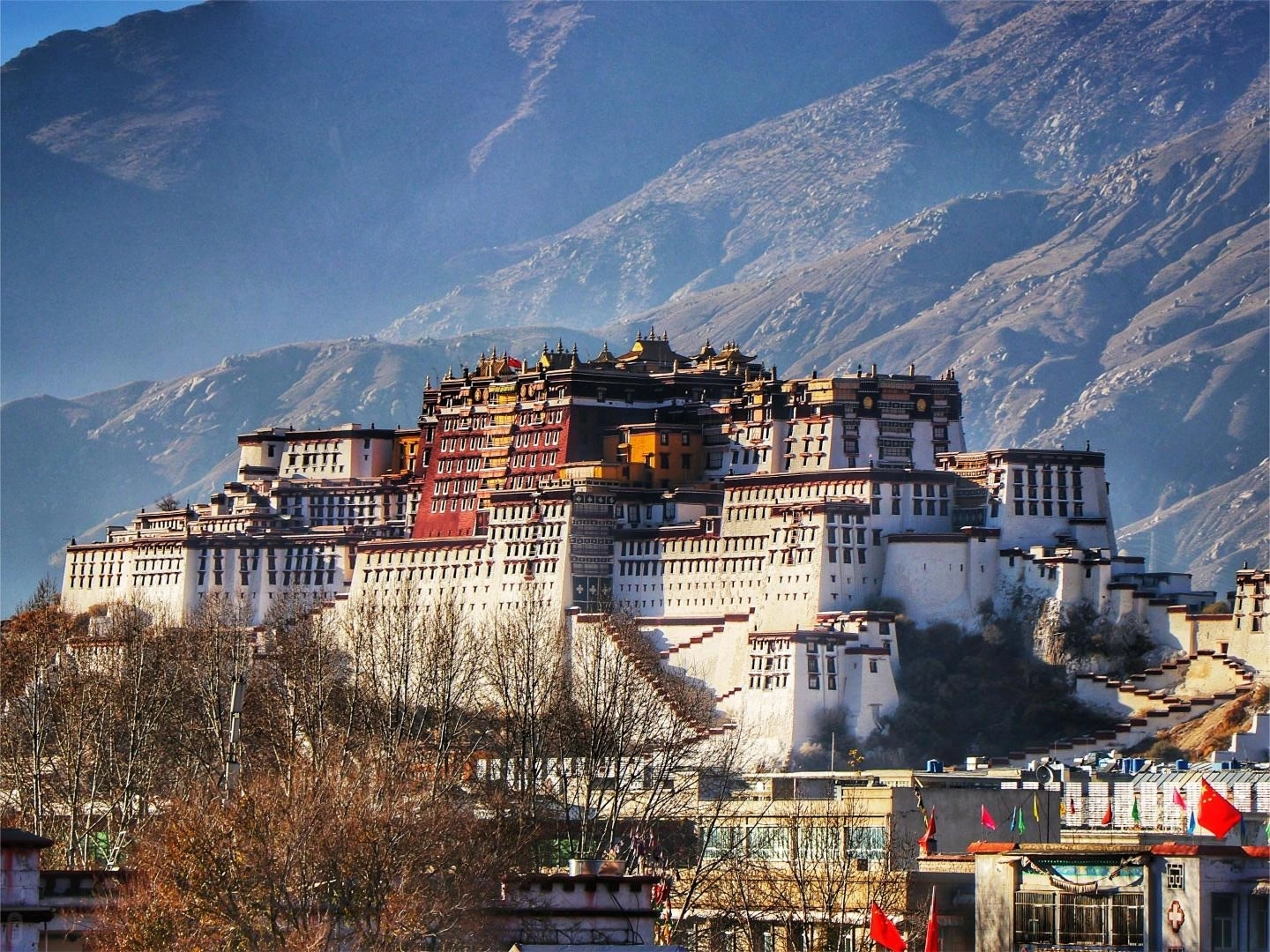
As we reach Lhasa,” the city of sunlight,” Potala Palace rises in the distance. This stunning landmark marks our arrival in Tibet’s spiritual and cultural heart. After days on the road, the city’s vibrant energy and ancient architecture are a welcome embrace.

Drepung Monastery

Drepung Monastery is recognized as the largest among the six great Gelug Monasteries of Tibet. It was built in 1416 by Jamyang Choge Tashi Palden. At one point, Drepung was a residential place for up to 10,000 monks. Before the construction of the Potala Palace, this monastery also catered to the Dalai Lamas. In the main assembly hall, you can see a towering statue of Maitreya Buddha. The daily routine of the monastery monks includes engaging in prayer assemblies, chanting sessions, and hours of dedicated study.

The annual Shoton Festival (known as Yogurt Festival) falls in the month of August. This marks the completion of a 100-day meditation retreat for monks. On this day, thousands of Buddhist devotees come to receive blessings. You can also join this event if you visit in the month of August.

Lhasa monastery

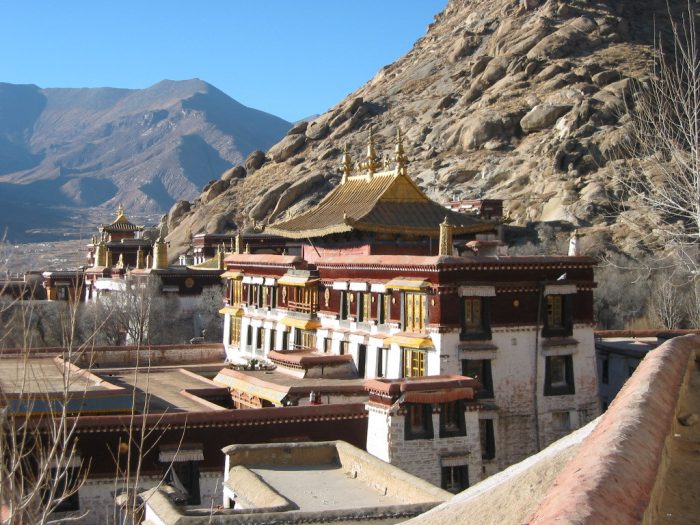
Sera Monastery

Sera Monastery is one of the ancient places in Tibet. It was founded in 1419 by Jamchen Choje Shakya Yeshe. The monastery is a major center for Buddhist scholars and attracts students from all over Tibet as well as China, Mongolia, and India. Before 1959, over 5000 monks lived here to study Buddhist philosophy and scriptures. The curriculum includes subjects like pramanavartika (epistemology), Madhyamika (Middle Way philosophy), Abhidharma (metaphysics), and Vinaya (monastic discipline).

This monastery is famous for its lively monk debates. These debates happen every day from 3 pm to 5 pm, except Sundays. During a debate, one monk stands and claps while questioning, and the other monks have to sit and logically explain their opinion. Observing this debate isn’t just a tourist activity; it is a chance for you to connect with the culture of Tibetan Buddhism.

Tibetan Buddhism

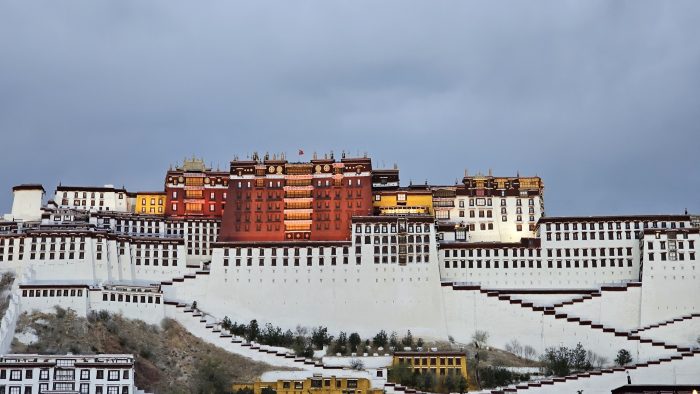
The Potala Palace

Lhasa’s famous Potala Palace upholds the history of Tibetan Traditions. The earliest origins of a palace on this site were in the 7th century A.D, built by King Songtsen Gampo for his marriage to Princess Wencheng. But this early palace was destroyed in the 9th century due to wars. The existing palace we see today was reconstructed under the instructions of the Fifth Dalai Lama in the 17th century.

At one time, the palace served as the winter home for the Dalai lamas. This world heritage site is a symbol of Tibetan Buddhism and the region’s sacred history. The palace’s white wall represents peace and tranquility, while its red color wall denotes wisdom and compassion.

Exploring the palace, you can see the massive stone Foundations, thick walls, yak hide curtains, and precise wood carving. This defines the true dedication of Tibetan craftsmanship. While it is not allowed to take pictures, you must see this artistic treasure and the relics in person to admire them. A visit to Lhasa is incomplete without experiencing the Majestic Potala Palace. potala palace

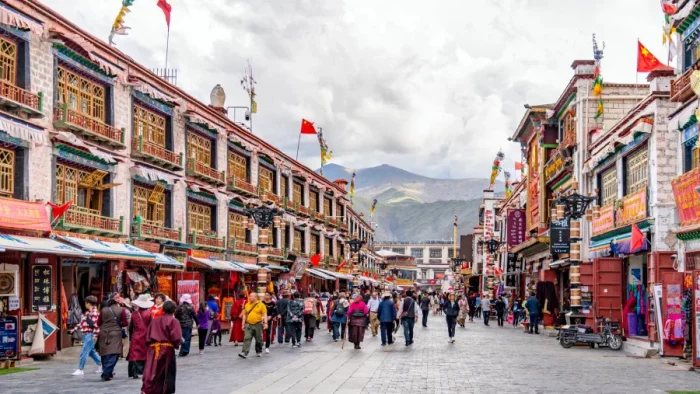
Barkhor Street

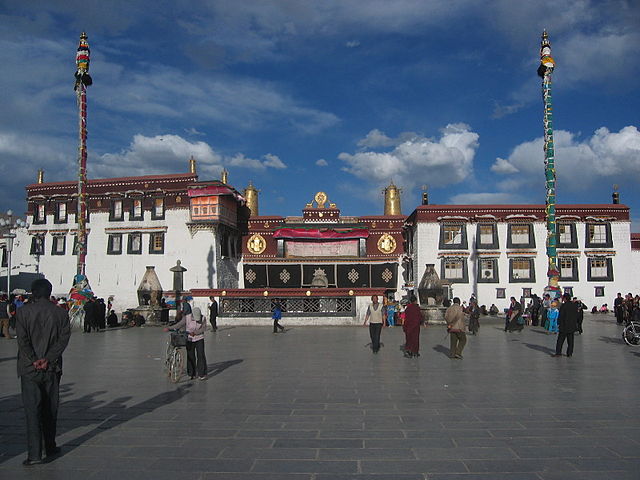
Barkhor originates from the Tibetan word “bar,” meaning “outside,” and “Khor,” meaning circumambulation. As you wander through the alley of this street, you can observe the Jokhang Temple at its centre. Inside the temple, you can see the sacred statue of Sakyamuni Buddha. Devotees walk clockwise around Jokhang Temple to accumulate good karma and show honor.

Due to the Temple, Barkhor Street attracts many pilgrims and traders, which has led to the development of houses, shops, and hotels. Despite modernization, Barkhor Street has largely preserved its old architectural design and stone-paved roads. This offers visitors a glimpse of ancient Tibet. While roaming around the street, you can notice the daily chores of Lhasa people and can engage in casual talks. I recommend that you buy souvenirs on the Barkhor Street as a memory of your Lhasa tour.

Barkhor Street


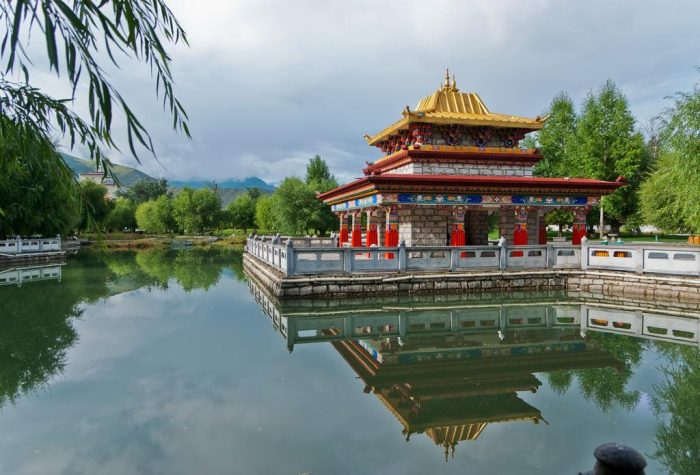
Norbulingka Palace

Norbulingka is known as the ” Treasure Garden” in Tibet. This palace served as the traditional summer home of the Dalai Lamas.The 7th Dalai Lama, Kelsang Gyatso, often visited a spring at this location, which people believed had medicinal healing properties. UNESCO recognizes this site as the largest man-made garden in Tibet. Builders constructed the palace complex in 1740, and it now holds a collection of over 100 rare Himalayan plant species.

Today, Norbulingka is regarded as a peaceful oasis and a museum. Visitors can explore the former Dalai Lama’s living space and admire the Tibetan art, architecture, and spiritual traditions.

Norbulingka Palace


Jokhang Temple

King Songtsen Gampo constructed this temple in 652 AD to honor his Nepali bride, Princess Bhrikuti. Newar craftsmen from Nepal were responsible for its creation. created. Initially, it housed a sacred Akshobhya Buddha statue that the queen brought with her. Later, the king’s Chinese wife, Princess Wencheng, added a cherished Buddha image. This symbolised the temple’s connection between Nepal, Tibet, and China. Moreover, it also shows centuries of friendship, cultural exchange, and religious devotion.

Inside the temple, the Jowo Sakyamuni Buddha statue is placed, where people show reverence. It’s regarded as Tibet’s most sacred object. Many offer Butter lamps and khattar( ceremonial scarves). The temple square is always lively with pilgrims, monks, and local gatherings that create a space of vibrant social interaction and spiritual devotions. You will feel the lively atmosphere upon entering the temple.Jokhang Temple


Ganden Monastery

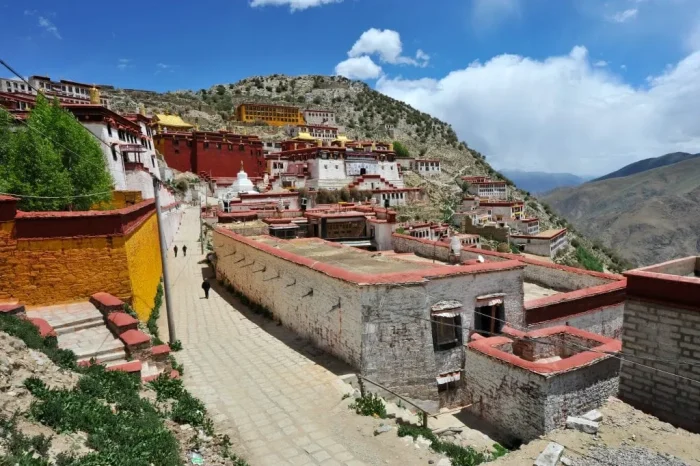
Ganden Monastery sits high on a mountain at 4,300 metres. It was founded in 1409 by Je Tsongkhapa (Lozang- Dragpa), recognized as the noble founder of the Gelug school of Tibetan tradition. Inside the temple, monks follow their daily routine of prayer, meditation, and study.

The monastery is a very important pilgrimage site. Pilgrims from all over Tibet walk the Ganden kora (Pilgrimage circuit) around the monastery. There are both high and low Kora routes. You can also be involved in this spiritual process for peace of mind. While doing the kora, you can enjoy the stunning panoramic views of Kyichu Valley. As you explore the monastery, you will find the holy sites. These include the Tsochin Assembly Hall, the Ngam Cho Khang, and the Tri Thok Khang, which is a place for tantric practices.

Tibet Ganden Monastery

Popular Overland Routes to Lhasa

  1. Kathmandu to Lhasa (Friendship Highway) – The most scenic route via Everest Base Camp.
  2. Chengdu to Lhasa (Sichuan-Tibet Highway) – Stunning valleys and high-altitude lakes.
  3. Golmud to Lhasa (Qinghai-Tibet Highway) – A rugged journey across the Tibetan Plateau.

Permits & Travel Requirements

  • Tibet Travel Permit (TTP) – Mandatory for all foreign travelers.
  • Alien’s Travel Permit (ATP) – Needed for travel beyond Lhasa.
  • Chinese Group Visa – Required if entering from Nepal.

Places to must visit on the way Lhasa Tibet

  • Yamdrok Lake – Turquoise waters against snowy peaks.
  • Shigatse & Tashilhunpo Monastery – Tibet’s second-largest city.
  • Gyantse & Kumbum Stupa – A historic Tibetan town.

Best Time for a Lhasa Overland Tour

1. Spring (April to May): Ideal time for quiet spaces

From April to May, Tibet offers a suitable daytime temperature, usually between 12 to 16 degrees Celsius with clear skies. Yet, the nighttime is still freezing, so pack yourself some warm clothes. This period is perfect for sightseeing because there is less touristy crowd than in summer. This gives visitors a pleasant experience for visiting monasteries. Plus, flowers begin to bloom during this month, making it an appropriate time for photography. Visiting this month could make your trip more budget-friendly.


2. Summer (June to August): best for sightseeing and festivals

During the summer, Tibet experiences its warmest weather. In daytime temperatures usually average a pleasant 20 °C to 24 c. While Lhasa does get rain during the monsoon season, it typically happens at night. This means you’ll usually have a mild and comfortable temperature for your daytime visits.

To admire the lush green landscapes and see more blooming flowers, summer is the perfect time. These months are also the most suitable for outdoor activities like trekking, hiking, and monastery kora (pilgrimage circuits). Plus, if you visit in August, you can experience festivals like the Shoton festival and the Nagqu Horse Racing. While it is peak season for tourist visits, the accommodation and transportation costs are slightly higher than at other times.


3. Autumn (September to October): Ideal for Trekking and Photography

Autumn, from September to October, is the time when you experience pleasant weather conditions. During this period Temperature went up to 17c to 20c. The chance of rainfall is also very low, which creates a favourable environment to visit Lhasa. Visitors can enjoy the warm weather and lush hills of the countryside. This cool weather with crisp air and clear skies is the perfect time for exploring trekking trails and landscape photography.

If you plan to visit in autumn, be sure to book your ticket, hotel room, and transportation in advance. While it is not the peak season like summer, it is still a popular time for tourist visits.

Food and Accommodation in Lhasa, Tibet

Food on a Lhasa Overland Tour:

Accommodation on the overland Lhasa journey.

  • Tsampa: Tsampa is the most common and fundamental Tibetan diet food. It is generally prepared from roasted barley flour. Tibetans like to eat it by mixing it with butter tea. People know it as a quick energy meal.
  • Yak meat: Yaks are the typical domesticated animal in Tibet. Tibetans use yak meat as their main source of protein. If you like to eat, you’ll find a variety of types, such as air-dried strips, stews, or stir-fries.
  • Momos: A Type of Tibetan dumpling found in restaurants across Tibet. The filling inside these dumplings is yak or mutton meat, yet you can also find vegetable or cheese fillings. They can be prepared with either method, either steamed or fried.
  • Thukpa/Thenthuk: They are very warming and satisfying noodle soups. Cooks prepare these using a rich broth made from yak bones, mixed with different vegetables.
  • Tibetan Hotpot: It is a dish shared among several people. Mainly, various ingredients are put on the table and dipped into the boiling water to eat. That includes meat such as yak, mutton, or pork, and sometimes mushrooms.
  • Tibetan yogurt: Tibetan yogurt is a type of drink made from yak milk. It is sour and often served with sugar to balance the tartness
  • Butter Tea (Po Cha): This is a traditional Tibetan Tea, drunk in daily life. It’s made from yak butter and salt, which is savory in taste. It’s very essential at high altitude to stay warm and hydrated.
  • Sweet Tea (Cha Ngamo): It’s made with black tea, milk, and sugar. This is different from the salty butter tea. Foreign visitors often prefer this sweet, milky tea, as the salty taste of butter tea can be unusual for them.


Lhasa has many places to stay.

You can choose from budget guesthouses or luxury 5-star hotels. Many hotels in Lhasa adhere to certain standards to host foreign travellers.

  • 3-Star Hotels: For group tours, these hotels are a top pick. They offer comfy, modern rooms with all the basics like AC, Wi-Fi, and tea kettles. You’ll also get a buffet breakfast. Plus, many are Tibetan-owned and feature traditional decor, giving you a deeper cultural experience
  • 4-Star and 5-Star Hotels: During your tour, if you want more comfort and great facilities, these 4-star and 5-star hotels are recommended. They provide you with a big room with lots of extra amenities. Since Lhasa is high up in the mountains, these hotels provide oxygen machines and humidifiers to help you feel relaxed. You can also enjoy facilities like health clubs, swimming pools, and several restaurants. A nice bonus is that some hotels offer amazing views of the famous Potala Palace! Plus, you’ll find well-known luxury hotel brands like Shangri-La and St. Regis to choose from.

Essential Tips for the Journey

  1. Permits and visas are paramount:

  • Tibet Travel Permit: Everyone visiting Tibet from another country needs a special “Tibet Travel Permit.” You can only get this by booking your trip through a proper travel agency in Tibet. They’ll handle all the paperwork for you!
  • Chinese Group Visa (if coming from Nepal): If you’re entering Tibet from Nepal (right here in Kathmandu!), you’ll need a “Chinese Group Visa.” This is different from a regular Chinese visa. Only your tour agency can apply for it for you at the Chinese Embassy in Kathmandu. You’ll need to stay in Kathmandu for about 4-5 working days before your tour starts while they get this sorted. Note: DO NOT apply for a regular Chinese visa if you’re coming from Nepal, because it will be cancelled!
  • Nepal Visa: First things first, make sure you have a valid visa to get into Nepal.
  • Time frame: Start applying for all these permits and visas early – give yourself at least 20-30 days before you plan to leave. It’s always best to be prepared!


  1. Acclimatization is crucial:

  • Move slowly: Travelling overland helps your body to acclimatize to high altitude than flying straight to Lhasa. Reducing the chance of AMS( Acute Mountain Sickness).
  • Take it easy in Lhasa: Once you reach Lhasa, calm down for your first day or two. Don’t do anything too tiring, avoid long walks, and stay away from alcohol. Just relax!
  • Drink water: Make sure to drink 2-3 liters of water every day while you travel, and also have herbal tea. Try to avoid alcohol and caffeine.
  • Symptoms of AMS( Acute Mountain Sickness): the signs of altitude sickness like a headache, feeling sick, dizziness, tiredness, or trouble sleeping.
  • Consult a Doctor: Talk to your doctor about medicine to prevent altitude sickness ( like Diamox) before your trip. It’s better to have it with you, just in case.


  1. Packing Essentials:

  • Clothing: In high-altitude areas, temperatures can change often, so pack layers of clothing that are easy to wear and remove. Include jackets, down jackets, and thermal wear.
  • Sun protection: At high altitude, the sun is extreme; wear UV protection glasses and a wide-brimmed hat.
  • Comfortable footwear: While sightseeing in monasteries and trekking, comfortable walking shoes are essential.
    Medical kit: Carry your medicine if you are using it, also include pain relievers, band-aids, and rehydration salts.
  • Personal care: wet wipes, hand sanitiser, lip balm (for dry air), and a good moisturiser.
  • Power Bank: Electricity can be irregular in remote areas. Bring a portable power bank for your electronic devices.
  • Camera tools: To capture Stunning landscape photographs, bring extra batteries, memory cards, and cleaning clothes.
  • Light Snacks: Get some energy bars, nuts, and dried fruit for a long drive journey.


  1. Road Conditions and Travel Time:

  • Road Conditions Vary: Road conditions: In china side, Friendship Highway is smooth and paved. However, on the Nepal side, road conditions are rough and unpaved.
  • long-distance travel: Traveling to Lhasa by road is a long day of driving, so prepare for the scenic journey.
  • Motion Sickness: If you tend to get carsick, make sure to bring your motion sickness medicine.


  1. Cultural Sensitivity:

  • Appreciate local Customs: Dress appropriately while visiting monasteries and temples, and also remove hats and shoes when entering sacred sites. Respect the local traditions and practices.
  • Photograph: Take permission before taking photos of local people and monks. Some monasteries have restrictions on taking photos.
  • Political Sensitivity: Avoid talking about political topics. Do not engage in any political activities or distribute political materials.
  • Buddhist norms: Walk clockwise while doing kora around monasteries, stupas, or other holy sites.


  1. Health and Safety:

  • Travel Insurance: You need to get Travel insurance that covers all-inclusive high-altitude Medical emergencies.
  • Emergency Contact: Save the contacts of your tour operator, embassy, and family in case of emergency.
    Guide’s Instructions: Follow the guide instructions, as they have experience in handling various issues that arise.
  • Food Safety: Eat at reputable places, and stick to bottled water.


FAQS for the lhasa overland tour

1. How many days are needed for a Lhasa tour?

A ten-day tour is preferable to explore Lhasa’s key attractions like the Potala Palace and Jokhang Temple. In ten days, you can get deeper knowledge about Tibetan culture and traditions.


2. Why travel to Lhasa?

It’s a unique blend of history and natural beauty with sacred and rich Tibetan Buddhist culture.


3. What is the most favorable time to travel to Lhasa?

The best time to travel to Lhasa is from May to October, with good weather and festivals like Shoton occurring. Winters (Dec to Feb) are cold but less crowded.


4. What are the visa processing formalities, and how long does it take?

For foreign travelers, you need to get a Chinese Visa and a Tibet Travel Permit. It usually takes 15-20  days.


5. What are the cultural and dining taboos in Lhasa?

Avoid touching heads, which are considered sacred, and pointing feet at religious objects. Dining taboos include wasting food in monasteries.


6. How to get a permit for traveling to Tibet?

You can get a permit through licensed tour agencies, but you cannot apply for a permit by yourself. Give your passport and China Visa details to your agency in advance.


7. What local cuisine should one try in Lhasa?

One should try Tibetan Momos (dumplings), yak butter tea, Tsampa, yak meat, and sweet yogurt in Lhasa.


8. Is altitude sickness a dangerous part of Lhasa travel?

Yes, altitude sickness is a dangerous part of Lhasa travel because it is at 3,650m above sea level. Acclimatize at a slow pace to prevent altitude sickness.


9. How can we experience the culture and spiritual presence of Lhasa?

You can experience cultural and spiritual presence by visiting monasteries and attending a ritual. Also, you can go to see the Buddhist debate at Sera monastery.


10. What festivals are celebrated in Lhasa, and when do they occur?

Festivals like Losar (Tibetan New Year) in Feb-Mar, and Saga Dawa in May-June are celebrated in Lhasa.


11. Is it possible to visit Lhasa in winter?

Yes, but temperatures drop below freezing points and so pack warm clothes if you visit in winter. Fewer tourists and clear mountain views make it a serene, reasonable time.


12. What is the local host’s reaction to guests in Lhasa?

Local hosts warmly welcome and respect visitors when they arrive in Lhasa.


13. What lifestyle do locals follow for their livelihood in Lhasa?

Local people depend on farming, herding yaks, and tourism-related work. As well as handmade crafts and thangka paintings are good income sources in Lhasa.


14. Is an overland journey safe, or is taking a flight safer for Lhasa travel?

Both journeys are safe. By flight, you can reach your destination earlier than by land. However, by land, you experience the picturesque landscape of Tibet.


15. Which river flows through Lhasa, Tibet?

The river known as the Kyichu River is the main flowing river considered sacred by the people of Tibet.


Conclusions

This remarkable tour to Lhasa, Tibet is an awesome Journey to experience the celestial lake, enigmatic rivers, and breathtaking landscapes. The warmth, hospitality of the Tibetan people and their rich history will touch your hearts and leave you with an unforgettable memory. I hope this blog post will create curiosity and inspire you to discover Tibet, Lhasa’s heritage, and natural wonders by yourself.

Namaste, Tashi Delek

Buddha Jayanti: A Festival of Compassion, Enlightenment, and Peace

One of the most important days in the Buddhist calendar is Buddha Jayanti, sometimes referred to as Buddha Purnima. It honors Siddhartha Gautama, the founder of Mahayana Buddhism, as well as his birth, enlightenment, and Parinirvana (final liberation).

Spiritual and Historical Importance

Siddhartha Gautama was born into the Shakya royal family in Lumbini, Nepal, circa 563 BCE. At the age of 30, he gave up his life as a prince in pursuit of truth and an end to his suffering. He achieved enlightenment under the Bodhi tree in Bodh Gaya, India, following years of meditation and austere practices. He guided people toward peace and liberation over the course of the following forty-five years. By sharing his teachings on the Eightfold Path and the Four Noble Truths. He finally broke free from the cycle of birth and death at the age of 80 when he achieved.  Parinirvana in Kushinagar, India.  In the lunar month of Baisakha (April or May), these three crucial occasions—birth, enlightenment, and parinirvana. Took place on the same full moon day, which is why Buddha Jayanti is celebrated on this day worldwide.

How People Celebrate Buddha Jayanti

Buddhists around the world, particularly in nations like Nepal, India, Bhutan, Thailand, Sri Lanka, and others, celebrate Buddha Jayanti with a great deal of respect and devotion. Temple Visits and Offerings: Devotees go to monasteries and temples to present flowers, light lamps, burn incense, and offer prayers. 108 butter lamps are customarily offered in Nepal as a representation of merit and enlightenment.

Meditation and Reflection: Many people reaffirm their dedication to the path of compassion, mindfulness, and nonviolence. By spending the day in meditation and contemplation of Buddha’s teachings.

Rituals and customs: These vary by region but generally include bathing Buddha statues to represent purification, releasing birds to demonstrate kindness, and fasting or vegetarianism to uphold the principle of non-harm. Merit and Community: The day promotes acts of kindness and compassion, which result in good karma and spiritual development, as well as a sense of community among Buddhists.

Buddha Jayanti Celebrations at  Swayambhunath, and Boudhanath

In Nepal, where Buddha was born, there are especially elaborate festivities. Holy sites like Bouddhanath and Swayambhunath in Kathmandu welcome thousands of pilgrims. The government frequently announces a national holiday to commemorate the exquisitely decorated monasteries and stupas. An exceptional chance to fully immerse oneself in Buddhist culture and observe the fervent devotion of adherents. From all over the world is provided by traveling to Nepal during Buddha Jayanti. Buddha Jayanti is a significant event that commemorates Gautama Buddha’s life and teachings. This day motivates millions of people to pursue enlightenment and harmony while fostering mindfulness, compassion, and peace. We can all find direction toward a more tranquil and compassionate life by taking part in the rituals or just thinking about what the Buddha taught.

Celebration at Swayambhunath Stupa

Swayambhunath, an ancient and sacred Buddhist stupa, becomes a vibrant center of worship on Buddha Jayanti. Devotees from across Nepal and beyond gather early in the morning to offer prayers, light butter lamps, and burn incense. The stupa and surrounding monasteries are decorated with colorful prayer flags, flowers, and lamps, creating a festive and spiritual atmosphere. A key ritual involves circumambulating the stupa in a clockwise direction, known as Kora, while spinning prayer wheels and chanting mantras. This act symbolizes the path to enlightenment and serves as a meditative practice. At Ananda Kuti Vihar, located at Swayambhunath, devotees pay homage to a sacred relic (asthi dhatu) of Buddha’s body, which highlights the celebration. Monks chant Buddhist scriptures, perform traditional music, and lead communal prayers throughout the day, fostering a deep sense of peace and devotion.
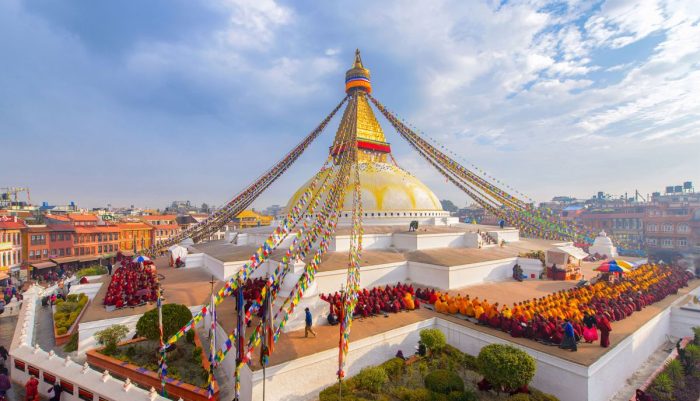
Celebration at Boudhanath Stupa

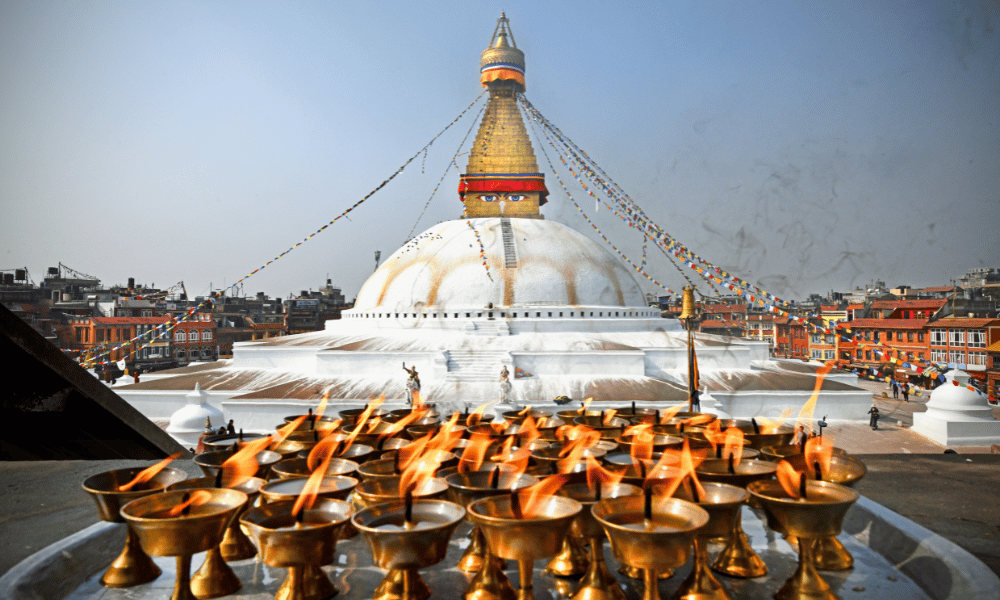
The Boudhanath Stupa, one of the largest spherical stupas in the world and a UNESCO World Heritage Site. It is another focal point for Buddha Jayanti celebrations. The stupa is adorned with vibrant prayer flags and illuminated by butter lamps and candles, enhancing its majestic presence during the festival. Devotees perform rituals including lighting butter lamps, burning incense, offering flowers and fruits, and circumnavigating the stupa while chanting prayers and spinning prayer wheels. Monks and nuns gather for special prayer sessions and chanting of sacred Buddhist texts, creating an atmosphere filled with spiritual energy and harmony. Cultural programs and traditional events are often organized around the stupa, attracting thousands of pilgrims and tourists from around the world.

Pros and Cons of travelling to Nepal alone

Nepal is host to arguably one of the oldest civilizations in the world. Often referred to as the center piece of the Buddhist religion, Nepal has a beautiful and diverse culture worthy of admiration by people around the globe. In this segment, we’ll go over a few Pros and Cons of travelling to Nepal alone . Note that it isn’t necessary that these might apply to you. However, it’s best to go over all of these before you book your ticket! 

If you’re planning to travel to Nepal in the near future, then you’re on the right track. The reasons why you should go for this track are plenty. However, to make the most of your trip, you need to take things at face value as opposed to what they might seem to be.

hiking
hiking and mountaineering

Pros:

Improves language skills 

The best benefit that solo travelling to Nepal will present you is an improvement in your language skills. Since the majority of Nepalese people don’t really speak English, this is a great way to work on your language skills all by yourself.

However, it’s important to mention that the bulk of the populace is fluent in English.

Cathartic self-discovery

The collective region of South Asia and Nepal is that which is often submerged in spirituality. If you’re travelling alone, Nepal can definitely serve as a stepping stone for your journey towards spirituality. 

If you’re travelling with a group, there’s a decent chance that a few individuals might have some reservations about the experience that focus primarily on meditation and other practices famous in the region. 

Cost-effective 

The main benefit that travelling alone to Nepal is that it will save you money down the road. Generally speaking, currency conversion ensures that you’ll be well-off in Nepal. Likewise, saving an extra buck can also come in handy. 

Furthermore, it’s also easier to get accommodation since you’ll only need a place for one! 

Cons:

More susceptible to danger

Travelling alone to Nepal can leave you susceptible to all types of danger. However, these dangers are those that can be found virtually anywhere. The common protocol here is that you should be smart with your encounters and transactions. 

Common sense is the best tool that you have. Don’t be too quick to trust someone, because there are plenty of con-artists who are waiting for the next unsuspecting tourist.

Hiking and off-road travel can be dangerous

Nepal is famous for its off-road hiking and mountaineering tracks. If travelling alone, this is one option that needs careful consideration. This is because getting lost in the woods and on these trails is more normal than you might think.

The general guideline is to hire a tour guide who can stay with you throughout this part of your trip. This is for your own benefit. These are Pros and Cons of travelling to Nepal alone,  Remember it’s better to spend a little money and be safe, as opposed to being sorry.


Tips to plan adventure holidays in Nepal

It gets a bit chaotic when it comes to planning your adventure trip. Plan Holidays addresses all your needs and hence has come up with this blog on all the tips you’d want to plan an adventure trip to Nepal. Here we give some tips to plan adventure holidays in Nepal. Happy reading!

Do a proper research about your destination

It is always a preferred idea to know what you expect from your destination. It saves your time and makes your journey even more pleasant. Doing a proper research on your destination not only helps you to set your benchmark but also helps you on what you need to pack, what precautions to take, what issues to avoid and where to start from.

Travel blogs from travelers who have visited the destination before helps a lot. Also, travel magazines and guidebooks can serve as good references.

Trust what your friends recommend. After all, you cannot avoid all the difficulties but you can surely reduce it by learning lessons from somebody else’s experiences. 

Do some research but do not expect to get all organized. Adventure trips are more fun when taken spontaneous!

plan adventure holidays
Bardia Superior Package

Pack light, pack proper

Now this is a travel tip most of the adventure travelers from all around the world look up to. Packing is an art. What you should realize is that you can always buy the secondary necessities in your destination but you should not forget the most important items while packing. First make a checklist of all the outfits, gears and equipment you would want during the journey. Then, sort out your priorities. If you don’t find something that important, don’t pack it; it’d only take up unnecessary space.

After you’re done with the checklist, get prepared with a luggage or a suitcase that best fits your travel guidelines. If you are allowed to only have a luggage weighing 20 kg, let’s say, you would not want your luggage to weigh out most of it.

The rest of the amenities that you use most of the time, like sanitize, keep it in the hand carry. It sounds simple but is effective. 

Documents and Finance

While choosing an international destination, documents and finance are something you would not want to forget because in the absence of either of these two, you’d either won’t get into or out of your destination.Before planning your trip, make sure you have all the required documents as per the country’s entry requirements. Then, check out for the currency.You should do this in your planning phase because documents require time. If you are up for some adventure sports like rafting, mountaineering, bungee jumping or trekking here in Nepal, make sure you have all the necessary permits.

Always keep copies of your important documents and some reserve cash. You never know what you will face in the destination, so be prepared for all of it. 

Packing the perfect outfits

Before you head out for a trip and plan adventure holidays, always have an idea of the weather conditions in your destination. Pack your outfits accordingly. Also, have a plan on what kind of trip are you looking out for. If you are heading for an adventurous trip, pack your outfits according to the adventure needs with proper gears and equipment. Take most of your sports wear and only a few casual wear with you.

Also, don’t forget that you would want to buy some outfits in your destination too. So make space for it beforehand and that way, you are not gonna end all messed up while returning.

plan adventure holidays
Kali Gandaki River Rafting

Always prioritize your health

Remember that even if everything goes as planned, you would not be able to make the most out of it without proper health. Pack all the necessary medicines including the medicines that you have been consuming. Make a separate space for medical kits in your luggage. Keep yourself hydrated and stay away from allergic and raw foods. 

Consider your health conditions before opting for any adventure sports. If your health does not support it, it is not worthy no matter how appealing it might seem like. 

Travel Insurance

It is always better to have proper precautions than to regret later. You are traveling somewhere outside of your comfort zone, so you should be prepared for all kind of consequences it might offer. Travel Insurance is the best idea to get you covered.

Trip cancellation insurance, travel-medical insurance and medical evacuation charges are some of the insurances that will get you all covered up. That way, you wouldn’t have to worry about not having your investment refunded or having some serious injuries. 

Choose your travel operator wisely

Last but not the least, the travel agency that you choose eventually affects your journey. While choosing your tour operator, safety and reputation should outweigh the price. With Plan Holidays, you would be able to make the best out of your trip. Owing to 20 years of a reputable establishment in the tourism industry, we assure you that you would leave satisfied and happy Tips to plan adventure holidays in Nepal. Come join us and make your adventure trip a memorable one!


Beginners guide to peak climbing in Nepal

Nepal, widely known as the lap of Himalayas, is known as so for a reason. The tourists from all over the world don’t only get spellbound by the natural and scenic beauty but also admire it for the full range of Himalayan activities it offers. If you love to gather experiences of Himalayan activities, Nepal is undoubtedly a country you would not want to miss. Mountaineering and Peak Climbing in Nepal have been one of the major tourist attractions. Nepal has been the top destination for mountaineers and climbers to achieve a lifetime experience and record; after the first successful expedition on Mount Everest by Sir Edmund Hillary from New Zealand and Tenzing Norgay Sherpa from Nepal on 29 May 1953. Here we are giving the Beginners guide to peak climbing in Nepal.

peak climbing in Nepal

Nepal offers visitors with more than 1310 peaks, which are over 5500 m, with the highest being 8848 m above the sea level. Most of the mountains are open to climb. However, some of them have not yet opened. These wide ranges of peaks are categories as trekking peaks and expedition peaks. Nepal Mountaineering Association has 18 trekking peaks over 6000 m to 6500 m under it for the trekkers to explore while in their journey to Nepal.

Every peak climbing experience can differ in accordance to the type of peak. But, it is generalized into one whole idea of an essential guide. So, if you are looking forward to peak climbing in Nepal, here’s a list of a few things you would not want to miss:

1. Plan your journey in advance

It surely is a preferred way among the travelers to explore spontaneously, but when it comes to peaks, you might not want to do that. It is always wise to plan your trip. Do some research regarding the altitude, technicality, and previous trekking experiences. Know your destination before you plan to reach one.

trekking in nepal
planning trekking

2. Climbing Gears

Since exploring the trekking peaks in Nepal does not require any mountaineering skills, climbing gears can surely be your companion throughout the journey. Climbing gears are readily available on rent from Pokhara and Kathmandu in case you don’t look forward to buying it. 

Climbing gears ensure you with safety and precautions. Furthermore, it is always advisable to carry a medical kit with you for further protection.


3. Opt for base camps of the peaks

Along with the climbing gear, you can also opt for trekking to the base camps of the ridges so that you get acclimatized once you get to the top.

4. Stay on route

It is always the best idea to hire an experienced guide who can help you explore the peaks in safer ways. The guides can also help you with the knowledge of rock climbing, how to walk on icy pathways, techniques of using the rope knots, and any other dangers. 

Always try to trek with a guide. If not, at least travel with someone from the community who has been to the peak before. Always follow the instructions and stay on route. Don’t overlook their advice. Know that they have been there before and know how things back.

trek with a guide
trek with a guide

5. Travel insurance

The purchase of travel insurance will get you prepared and assured both economically and mentally. Before you decide to explore the higher altitudes of Nepal, it is better to get yourself a travel insurance that covers at least 6000 meters of a helicopter rescue operation.

These are some of the tips for Beginners guide to peak climbing in Nepal. Find more of similar travel tips on our websites. 

6 Best things to do in Pokhara

Pokhara is the most famous destination in Nepal, which has attracted the attention of many tourists. Pokhara valley is a beautiful place, full of lakes and people can see Himalayan range from there. It is famous for extreme sports like bungee jumping, rafting, and canoeing. If you are confused about what to do in Pokhara then here is the list of top 6 Best things to do in Pokhara to make your trip more memorable. 

Morning burning mountain
Burning mountain morning view


Top 6 things to do in Pokhara 

1. Explore Pokhara on bike

Exploring the city on a bike is the most awesome experience one can get. You can go to many further places on a bike. It is better than both a bicycle and a car. So make the team and rent a bike. The view of Himalayas is not seen from Kathmandu, so enjoy the breathtaking views while you are on a bike.

2. Boating in scenic Phewa Lake 

Nepal is famous for its historical places. Tal Barahi temple is a very beautiful temple which is located in the middle of Phewa Lake. The lake itself is very scenic and gives an eye-catching view. Many people like to visit the temple, and the only way to reach there is by boat. So boating in a scenic Phewa Lake is probably the best thing to do while you are in Pokhara. 

Fewa Lake
Fewa lake view from Sarangkot

3. Visit peace Stupa

Peace Stupa is a kind of temple located at the top of a small mountain. There are probably only two ways to reach it. One by trekking for hours which has its benefits and the other is by boat. Many people love trekking, while others love boating. So it is convenient for both as there are facilities. 

4. Don’t forget bat cave

Are you scared of bats? Well, there is a cave in Pokhara, known as a bat cave. It is a dark cave which has bats all over its roof. In Nepal people call this place as Chamero Gufa. It looks very unreal and fascinating. It is also dangerous sometimes because bats love animals and human blood. There is no safety check at all and everyone is responsible for their own life. But you get to interact closely with the bats which are no doubt a shocking thing.

5. Enjoy the sunset at Sarangkot viewpoint

If you come to Pokhara and leave without seeing the sunset at the viewpoint, then you have missed everything. You can go to the top on a bike for a nice bird’s eyes views. You can see incredible views from up there and observe Mother Nature. 

6. Chill at Begnas Lake

Many people don’t like to mix with the crowd and wants a peaceful place for a nice walk with their loved ones. Begnas Lake is the place you are looking for. It is a peaceful lake where you can relax and chill without being disturbed. Not many tourists visit this place, but you can see locals washing their clothes, self fishing with hooks and even using small boats for fishing. You can also hire a motorboat and admire the beauty of the mountains. 

Begnas Lake
Begnas lake Pokhara Hidden lake

Conclusion

Pokhara is a city worth visiting. It has several activities to do, and these are some top activities you can do during your stay.

pokhara
Lake and boat pokhara


Choosing Between Hiking, Trekking or Peak Climbing

Hiking, trekking or peak climbing, also known in some places as mountaineering are three different words that mean almost synonymous to a large number of people. On paper, however, the differences are quite noticeable and should be kept in mind when choosing any one of them. So, to understand completely, you first need to have an idea between the significant differences in them. Thus, we will be explaining them very briefly for you to develop a plan.

trekking
trekking alone

Major Differences between The Three

The type of terrain, difficulty level, and the equipment used account for the differences in them. Hiking means only an act of walking on clearly indicated trails without needing any climbing skills or equipment. Trekking, on the other hand, is a bit rough; there are no well-established trails, the terrain may be rough making it more difficult, but it too does not require any technical skills or special equipment and lasts for more than two days usually. Peak climbing, on the other hand, is entirely different. It needs specialized equipment, technical skills, and the right fitness level. Now that we have basic knowledge, so let’s decide what you should pick.

trekking with guides

Are You a Leisure Time Hiker?

If you are looking to spend your precious leisure time walking up mountains, hiking should be your instant pick. You can start from one-day hikes, and then after some successful trips, you can increase the number of days as your body gets more used to it.

Duration of the Trip

How many days are you planning to spend on your trip? If you don’t have much time and are looking for something to be completed within two days, hiking should be it. If you want to go for a longer time and not to look for a considerable difficulty, then you could go for a trek, and finally, if you have the skills and you have months to spend, there can be nothing more enjoyable than peak climbing.

Medical and Physical Fitness

These two key factors are probably the most important ones to bear in mind for your very own safety purposes. As you may not be conscious of it, but peak climbing requires a great combination of excellent medical and physical fitness. It demands very long endurance training sessions as well as other technical training so you can’t just go straight up without having all of it or you may have to face severe problems caused by high altitudes, varying temperatures, unpredictable weather along with other technical issues.

cycling tour
cycling tour

Equipment You Are Willing to Use

The gear you have is essential, as well. While you don’t need anything for hiking, you may need some elementary equipment for trekking. And as for peak climbing, it’s a different thing. You need exceptional gear, and you have to know how to use them like fixing of ropes, using crampons, etc.

equipment for trekking

Conclusion

we are pretty sure you have already decided what you want and made up your mind. Now It’s easy Choosing Between Hiking, Trekking or Peak Climbing. If it’s a leisure time walk to see nature, go hiking. If you’re going to approach the countryside and increase the duration and adventure of your trip and you’re somewhat physically fit too, go trekking. However, if you have had adequate training and equipment, and have a lot of time and want to see the beauty of the mountains to the most and stand at its summit, go for peak climbing without having any second thoughts.


5 interesting ideas to plan your holiday in Kathmandu

Planning a little vacation to Kathmandu, are we? That must be the only reason you’re here. Kathmandu, the capital city of Nepal, is a breathtaking place to be for everyone. While you’re there, you can make your way through monasteries and temples and explore thousands of years of history, culture and world heritage sites. But before you set out on your journey, you need to know a few fun things that are a must to do during your holiday in Kathmandu. Here is a few interesting ideas to plan your holiday in Kathmandu.

Try spending your honeymoon in Nepal

Many people are unaware of the existence of this small country in Asia. Even the ones who know it, only know it from the reference of mount Everest, the world’s highest mountain.

The place is more than just a home of those towering peaks. It is also rich in undying culture, and most importantly, it is a hub of numerous destinations that are perfect for a romantic honeymoon. There are several places you can visit Nepal as a couple, like Pokhara, Patan, Chitwan, and Kathmandu. These places will make your honeymoon a heavenly experience.

Visit world heritage sites in Kathmandu

Kathmandu is filled with cultural heritage and world heritage sites that you must visit. So during your holiday in Kathmandu, these are the places of cultural importance that you need to visit:

  Kathmandu Durbar Square

This was the Nepalese royal residence, until somewhere around the 19th century. 

Patan Durbar Square

This is another Durbar Square in lalitpur. One of its attractions is the ancient royal palace where the mallas dynasty of Lalitpur resided.

Bhaktapur Durbar Square

This is the third Durbar Square, which is located in Bhaktapur. It served as royalty’s residence, till 1769, and was damaged due to the 1934 earthquake.

Spend luxury holidays in Nepal

While you are there, you can spend the most luxury vacation in Kathmandu. There are many things you can do where you can pay and get the most rewarding experience. The money you spend there will always be worth it. 

  •   You can take a trip to the small villages and towns in between Pokhara and Kathmandu. This will give you a glance at the life of the locals in Nepal.
  •   This is perfect for couples, whether they are looking to get married or are already married. You can have your marriage blessed by a Hindu priest at Pashupatinath Temple.
  •   You can also trek through the beautiful Annapurna Region while being accompanied by the expert guides.

Find Kathmandu tour packages

You can find many organizations working in Nepal, which will help you spend a well put together and thought out vacation. They will take you to the best places in the amount of time that is preferred by you. 

All you need to do is to go on google and search for interesting ideas to plan your holiday in Kathmandu tour packages. And then you can choose the package that best suits your needs. They are also divided based on the level of luxury and facilities available. Have a nice trip!