
Annapurna Circuit: A Journey of a Lifetime to world greatest trail
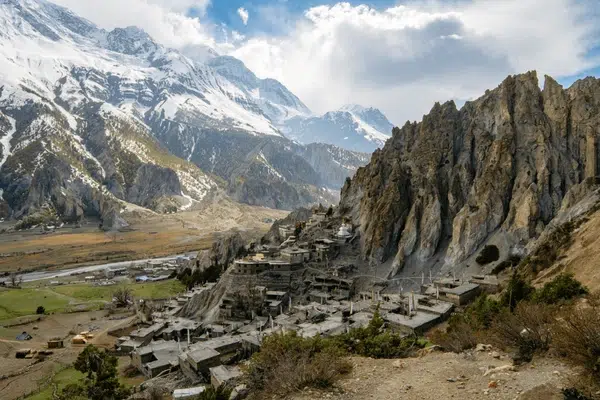
Annapurna Circuit, a journey to the world’s greatest rail, is just more than a trek. It’s an adventure and a physical challenge for body and mind. Also, immersing yourself in the stunning mountain vistas and rich Nepalese culture. This 14-day trek, which ventures into lush valleys and gigantic Himalayan peaks, will be an unforgettable journey. Where your safety is taken care of by our company’s experienced guides and porters.
Gearing Up: The Pre-Trek Set- up
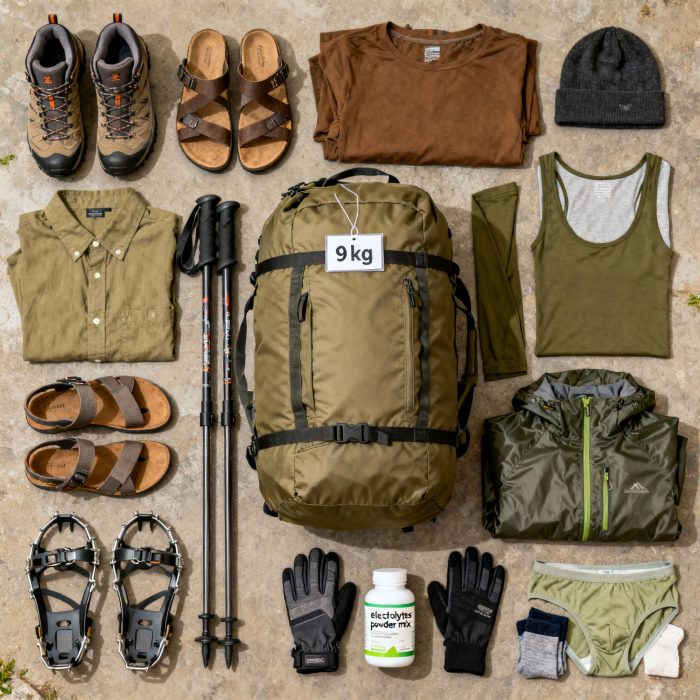
- Weight Limit: Be prepared for a strict weight limit on your duffel bags, often around nine kilograms per person. Strategic packing is essential.
- Packing List: Pack your essentials according to the list provided by the trekking company to ensure you don’t forget any crucial items.
- Footwear: Shoes that will support your ankle for the trek, and a comfortable pair of sandals.
- Clothing: Layering is best. Pack a variety of shirts, long sleeves, and a tank top. A rain-resistant jacket is a must. Don’t forget two pairs of gloves and a beanie.
- Trail-Specific Gear: If you have a plan to purchase items like trekking poles and crampons in Nepal. They are readily available and affordable.
- Hydration: Carry electrolytes to mix with water to stay hydrated.
- Essentials: Pack enough underwear and socks for the trek, but be ready to do a little bit of laundry along the way.
The Road to the Mountains
Taking a bus or a private jeep is a great way to start your trip from Kathmandu to Besi sahar, with a seven-hour drive. It is definitely worth it to book your own vehicle rather than a crowded bus. But if you want to add some more thrill, you can take public transportation.
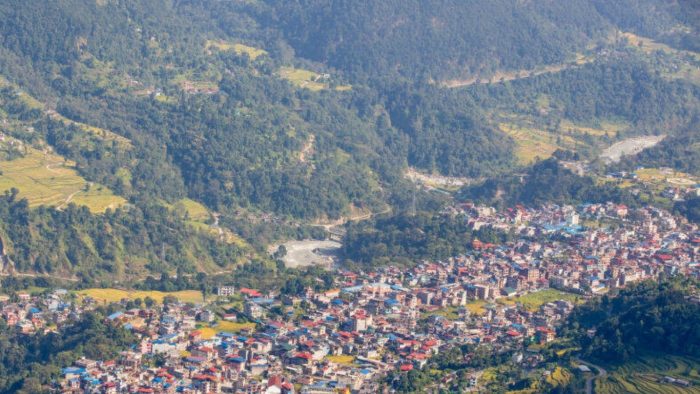
Besi sahar
Most sections of the road are bumpy and windy, so it feels like a roller coaster. Along the way, you can have breakfast. I suggest you try the Local Nepali food called “sel roti,” a traditional donut. It has a crunchy texture on the outside and a sweet, soft caramel flavor on the inside.
The Trek Begins: Lush Valleys and Wobbly Bridges
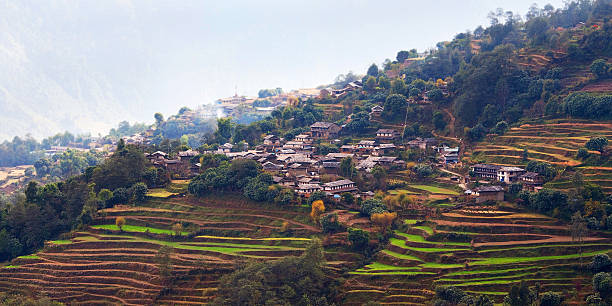
The first day of actual hiking was easy. After a big breakfast, we struck out on the trail for a distance, maybe nine or 10 miles. The first part of the walk started on a road, but quickly turned into a beautiful walk through rice fields, farms, and adorable little Nepalese villages. We were mainly in the jungle, so we were still hopeful for some high alpine mountain views. One of the most exhilarating parts of the day was traversing over a large river on a wobbly suspension bridge – it was terrifying but a thrill.
As you went along, you learned that the Annapurna Circuit was a conservation area. It is listed on the UNESCO World Heritage Site and has various kinds of ecosystems. Including endangered animals, such as the snow leopard and the Himalayan musk deer. Each step on the trail felt like a promise that we were on the way to help protect nature’s wonders.
Taste of the Trail: Dal Bhat Power! 24 hours
Food is an important part of the trekking experience, and you could be amazed to try all of the Nepalese dishes. The most frequent dish you will have is dal bhat, a traditional Nepali lentil dish. It is served with rice, curry, steamed spinach, and lentil soup. The best part? You can get unlimited amounts of everything! It is the perfect food for the trail: warm, tasty, and filled with carbs for walking.
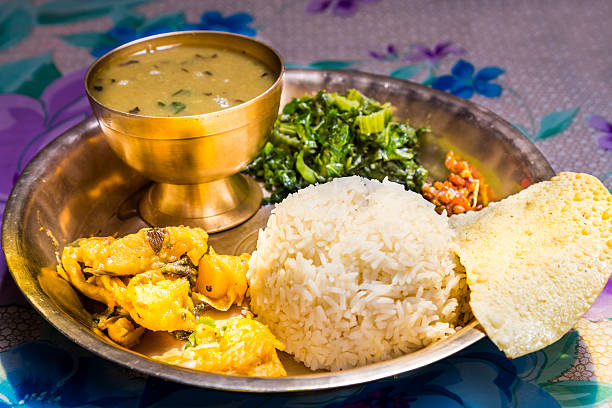
In addition to the dal bhat, you can eat some other delicious snacks. For instance, fresh vegetable curry and momos, steamed dumplings with various fillings. In some tea houses, they sold samosas made with local potatoes, which were an excellent crispy snack to keep you going. You can also try local beverages, such as apple tea made from an orchard and sea buckthorn juice. The apple tea had big chunks of apple pieces on top and tasted like warm apple pie. These treats along the way made the hiking unbelievably fun.
The People and the Culture
The trek not only consists of physical challenges but also a full immersion in the culture of Nepal. You will be greeted, each day, with the warmth and hospitality of the Nepalese people. On the trail, we would see typical Nepalese prayer flags flattened by the wind, which were intended to carry good blessings on the wind. On the way, there are Hindu temples and Buddhist monasteries, where one can sense the spirituality and fortitude of the people.
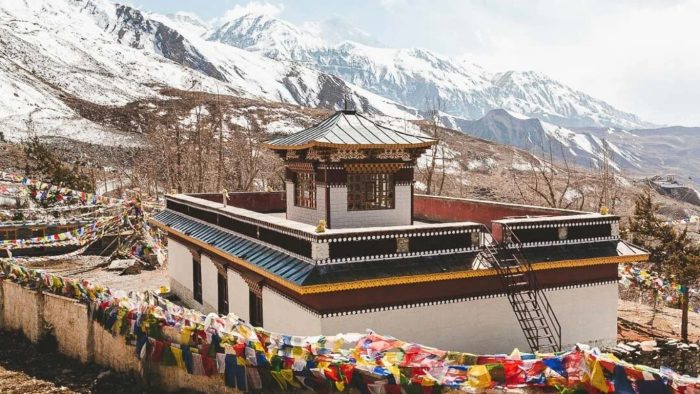
Your guide and porters will fully contribute to giving you a cherished experience. They not only lightened your load as they carried your gear but also offered local knowledge and cultural insight during your trek. Arranging the trip with a guide is a good decision to support the local economy and provide employment for local people.
The High Point: Crossing Thorang La Pass
As we gained elevation, the scenery changed dramatically. The lush green forests became more alpine, with alpine pine forests viewed from a distance and snow-capped mountains. The air begins to thin, and you will find it hard to catch your breath. You have to analyze yourselves and drink a lot of water and slowly acclimatise along the way. At this high altitude, you will be amazed by the accommodations. They provide comfortable beds with attached bathrooms, and Wi-Fi access in some cases.
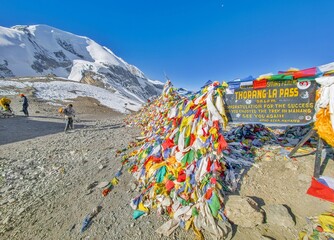
Thorang La Pass. At 17,756 feet, it is one of the highest mountain passes in the world. You have to wake up before 4 a.m., so you can start our long hike to the pass in the dark, utilizing headlamps and lanterns to guide ourselves. The weather was absolutely freezing, and it was a long, steep climb. The pictures were surreal, and it was all worth the frozen feet, sickness, and altitude. After crossing the pass, you can enjoy a tea house at the top, with hot tea that is worth every penny to warm our souls.
While descending from the icy steep, you will need microspikes. As you descended down, there were more and more signs of civilization. After 6-7 hours of descent, you will make it to the town of Muktinath, where you can visit a Hindu temple and a Buddhist monastery with a gigantic Buddha statue. It was a beautiful way to end the most challenging part of our trek.
Carrying the Memories Home
After making the descent, you have a well-deserved easy day, taking a bus to a lower elevation from which to begin our trek. From start to finish, you will trek 93 miles and ascend over 28,000 feet.
The Annapurna Circuit Trek is a real journey of soul-searching and a trail you will hold in your hearts forever. You’ll be very grateful for the moments that you had experienced, the splendid journey in the afternoons of the Himalayas, and the warmth of the Nepalese hospitality. Remember to enjoy the adventure and the beauty of the Earth, and we hope to see you again on the next trail.
Thinking about the Annapurna Circuit? Here’s the reason why it’s so amazing.
The top three highlights of this incredible journey are crossing the incredible Thorong La Pass, witnessing lush green forests, and exploring high-altitude deserts. Along with the unreal views of the mighty Annapurna and Dhaulagiri mountain ranges.
Mountains & Nature Spots
- Thorong La Pass (5,416m): This is the real adventure and the highest point of the trek. Submitting at 5,416 meters above sea level is a massive accomplishment, and the surrounding views of the mountains are simply unreal.
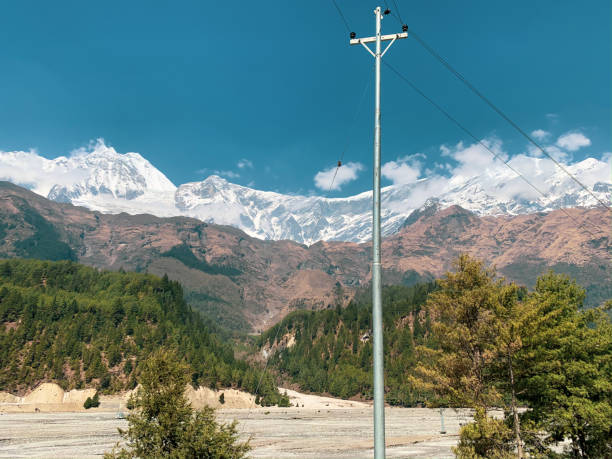
- Annapurna and Dhaulagiri ranges: You will see some of the most renowned peaks of the Himalaya every day, including the iconic Fishtail Mountain.
- Kali Gandaki Gorge: You will be hiking along the deepest river gorge in the world. Truly an extraordinary view.
- Diversity of landscape: The trek is unlike anything else you’ve ever done; each day, the trek does not get stale. You start in almost tropical forests and finish in a dry, high-altitude desert that feels like something out of the world.
- Tilicho Lake: If you’re willing to take a little detour, you can visit one of the highest lakes in the world, right under massive ice cliffs.
- Tatopani Hot Springs: After days of walking, you will be in pure bliss soaking in these natural hot springs.
Culture & Spiritual Experience
Local Culture: Along the way, you will walk through villages of the Gurung, Manangi, and Thakali people. They are friendly and hospitable people and have great traditions to learn about.
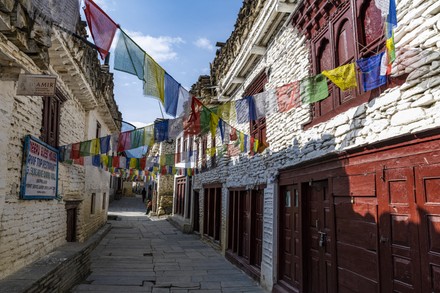
Monasteries and Prayer Flags: The trail consists of ancient Tibetan Buddhist monasteries and colorful prayer flags waving in the wind.
Muktinath Temple: A very popular pilgrimage site for both Hindus and Buddhists, and highlights 108 water spouts.
The Villages: Manang, Jomsom, and Marpha are all lovely villages, making for great exploration. Also, an area known for its apples, and be sure to try their famous Apple Brandy!
Adventure & Fun Experiences
The Challenge: This is a true adventure! Trekking at high altitude is hard, but conquering the Thorong La pass will be something you won’t forget.
Wildlife: Look for mountain wildlife such as Himalayan tahr, marmots, and the cute little pikas. You may even be lucky one winter and see a snow leopard.
The Food: The food in the teahouses is hearty and perfect for hikers. You have to try a traditional Thakali meal.
Related Blogs
The Ultimate Guide to Annapurna Base Camp Trek
This ultimate guide to Annapurna Base Camp Trek is an essential reading for trekkers, before diving into a renowned...
Why Nepal Is the Next Top Destination for Digital Nomads
Sometimes a place is a surprise to you long before you even realize that you are falling in love...
An ultimate guide for the 2026 Lukla Flight
Get ready for your 2026 Lukla flight, we are about to explore the crazy flight condition between Kathmandu and...
Explore Manaslu Circuit withTsum Valley trek
Trek overview The Tsum Valley with Manaslu Circuit Trek is an awe-inspiring journey through Nepal’s Manaslu region and the...
Tihar: Nepal’s Festival of Lights, Tradition, and Togetherness
Once the long rainy season is gone , fresh autumn air comes to Nepal, the entire country starts vibrant...
Short Manaslu Circuit Trek
Overview The Short Manaslu Circuit Trek lies between the boundary of Gorkha and Manang District. This trek’s main attraction...
Dashain: A festival of reunion, gathering and blessing
Dashain is the main festival for all Nepalese people, who live in Nepal or abroad. Also called Bijaya Dashami...
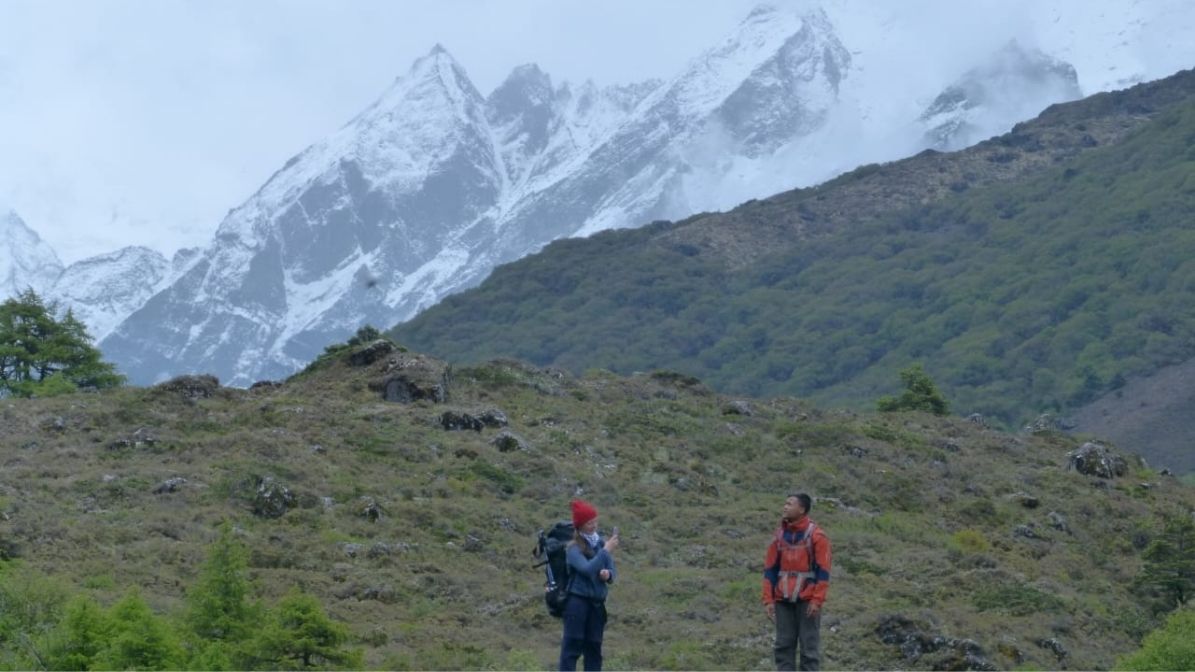
Trekking in Nepal: An Unforgettable Himalayan Adventure
Introduction Trekking is an activity that is conducted in nature, far from the urban area, where one can explore...
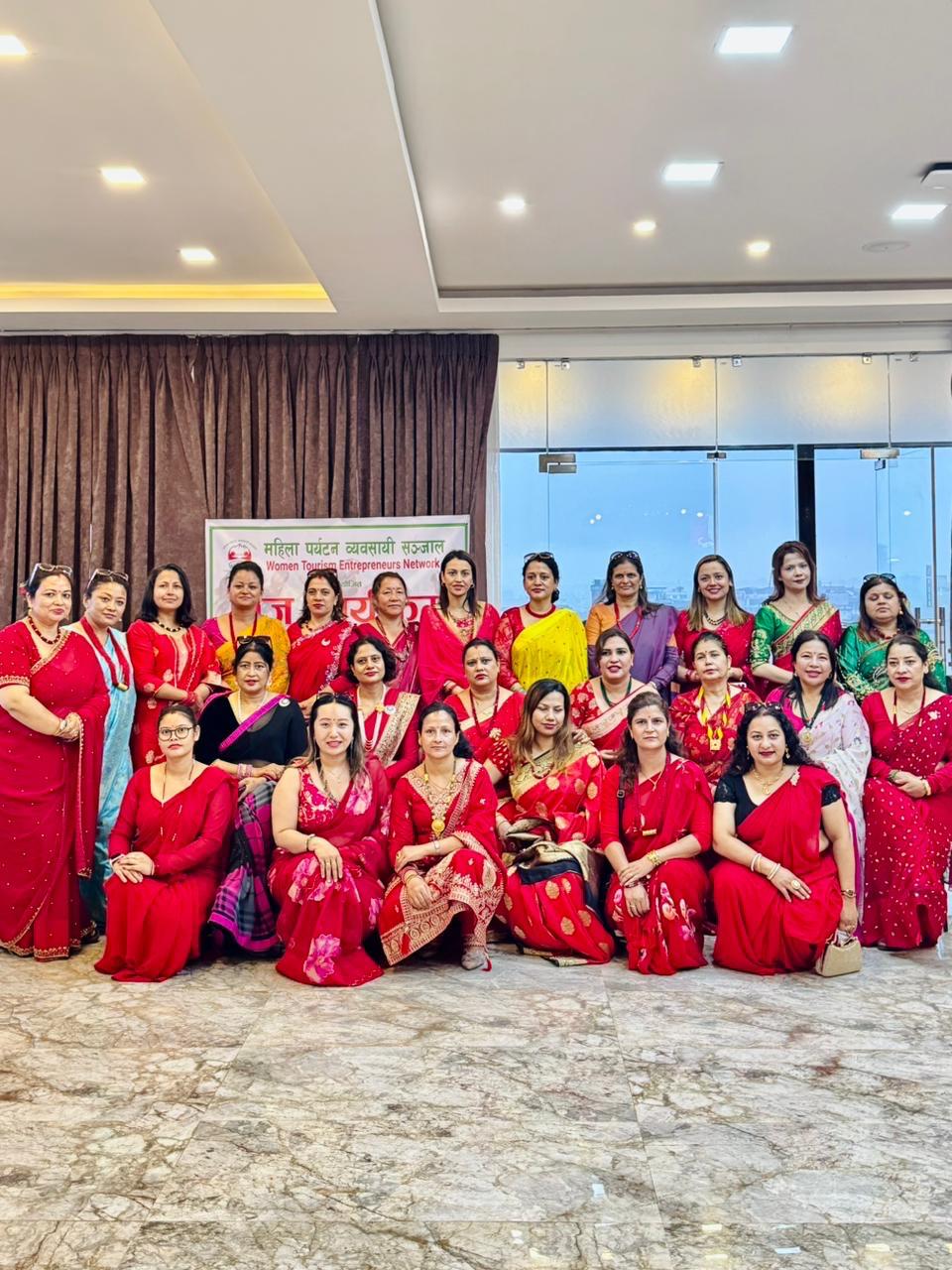
Teej Festival in Nepal: A Unique Celebration of Women’s Devotion and Community Spirit
Teej is the Hindu festival celebrated in Nepal, especially by women. Its significance relates to religious devotion, cultural traditions,...