
An ultimate guide for the 2026 Lukla Flight
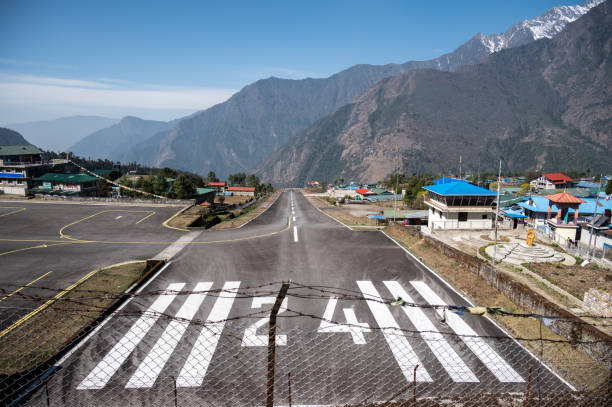
Get ready for your 2026 Lukla flight, we are about to explore the crazy flight condition between Kathmandu and everest region. If you’re planning to do Everest Base Camp Trek or anywhere in the kumbu region this flight guide will help you.
Let’s be honest, anyone who’s ever imagined Everest has heard the rumors about Lukla. “The most dangerous airport in the world!” is what they say. “A runway that ends at a cliff!” is what they said. Although it is quite a difficult to land at Lukla’s Tenzing-Hillary Airport. But the pilot, who operates this flight have exceptional skills and experience to navigates in short runway and changing mountain weather. It is one of the common way to get to some of the most breathtaking views in the world. And I assure you the flight is an unforgettable experience.
Lukla extreme runway : Your thrilling gateway to Everest
If you can, imagine a airport that is hanging off the side of the mountain and at a height of 2,860 meters (9,383 feet). The airstrip is not only short and steep but also on one side is the mountain wall while on the other is a scary drop. The airstrip has no advanced radars, no control tower to provide instructions apart from the basic communication. The pilots use their pure, old-school flying skills and need high level of skills and experience.
Definitely it’s not a long-haul flight that you take and won’t be waking until you are at your destination yet here and there is some turbulence. Instead, it’s a 30-minute exciting, quite often bumpy, flight from Kathmandu that takes you right into the Himalayas. It’s a very important flight, other wise you have to take on a multi-day trek. Just, reach to the starting point.
Kathmandu or Ramechhap: which one to choose?
The interesting part of the story comes, when peak trekking season starts. Flights to Lukla used to be all from Kathmandu’s Tribhuvan International Airport (KTM) for years. That was good and bad at the same time but quite hectic. However, at peak season time there is increasing of air traffic congestion at Kathmandu TIA airport. So, the Nepali aviation authorities often reroute the Lukla flights to Rammechhap airports.
Enter Ramechhap Airport (RHP).
Yes, you have read it right. The major flight or even total no.of Lukla flights is rerouted at Ramechhap during the peak seasons. A small domestic airport that is approximately a 4-5 hour drive east from Kathmandu ( around March-May and September-November).
Why Ramechhap?
It’s mainly because it gives place to the airplanes and help the busy kathmandu’s airport. The airport is less crowded, quieter. So,it allows a plane to be turned around quickly and easily for the next flight to Lukla in Ramechhap.
What does this mean for YOU?
If you plan your trek during peak seasons, be ready for an early departure. You have to leave Kathmandu very early in the morning (around 1 AM – 3 AM) to get Ramechhap for the first morning flights. It’s quite a journey to get to the airport, but that makes it the adventure. Your tour operator will manage the vehicle to get there, but keep in mind the early waking-up time.
If you trek during the off-season (June-August or December-February), the probability of getting flight from Kathmandu is higher. Always ensure with your airline or tour operator before your trip.
Experience during Lukla Flight
After the flight, whether from Kathmandu or Ramechhap, prepare for a nice experience. These are small airplanes only have 15-18 seats Dorniers or Twin Otters. The sound of the engines starting will be hear on your lift-off.
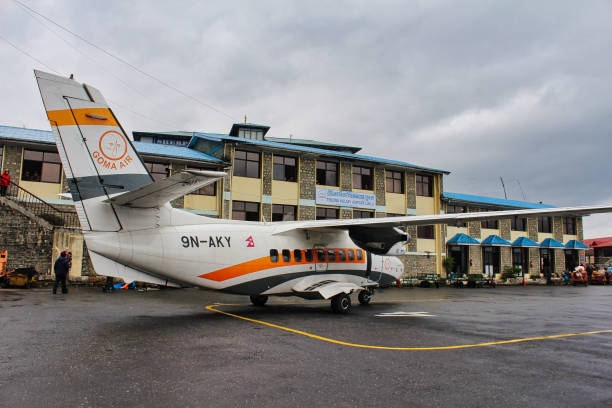
The beginning of the journey catches a stunning views of the kathmandu valley and its hills. After some minute the view changes to the majestic, snow-covered peaks of the Himalayas. Be ready with your camera! The mountains just keep getting bigger and closer.
The arrival at Lukla is different. The runway goes up, thus it helps the planes to slow down quickly. It seems as if you are going to hit the mountain straight, but then, with a little bump and a strong thrust reversal, you will be on the ground safely.
For Delays and Cancellations
This part to lukla flight is the most essential one. Lukla flights are frequently discussed topic as being the most common reason for delays and cancellations. It is not the matter of “if” but rather “when” you will encounter such kind of disruption. And usually, it is usually occur due weather condition.
As a VFR airport, Lukla can only operate under Visual Flight Rules (VFR), hence pilots must be able to see where they are going. If any one of these places, Lukla, Kathmandu, or Ramechhap is cover in fog, heavy clouds, has strong winds, or is experiencing rain, no flights are allowed to take off. The weather in the mountains can be very unpredictable.
Tips for Dealing with Delays:
- Flexibility is Key: Make sure your travel plan include at least 1-2 extra days, especially for the flight back from Lukla. This will give you the opportunity to be delay without the risk of missing your next international flight.
- Fly Early in the Morning: It is better to take flight in the morning hours due to good visibility. So, booking the earliest flight possible (6 AM – 8 AM), you come close to leaving on time.
- Pack Smart: In case your main luggage is delay or you have to take a helicopter, make sure that you have carry your necessary items. That include your (medicine, important documentation, a change of clothes) in your hand luggage.
- Stay Calm: Worrying won’t change what’s happening so, its better to stay clam. So, in the mean time talk to other trekkers who are also there with you, and have trust in that the airline and your tour operator will make it happen.
- If the delay is longer than you expected (days, not hours): Then in that case a helicopter charter plan is an alternative. Although it is considerably pricey (more than $500 per person for a shared ride, most of the time). But, it is a safe and steady means of getting to or from Lukla when flights are not possible. That is why, several trekkers contribute individually to the total amount and share the ride.
Baggage Allowance: Pack Light, Pack Smart
Those Twin Otters planes has a strict baggage limits. You’re only allowed:
- Checked Baggage: 10 kg (22 lbs)
- Carry-on Baggage: 5 kg (11 lbs)
The amount of your baggage would be 15 kg (33 lbs) in total. The main duffel bag will be with porter, so you only have to carry a bag pack with you. If you are over the limit they allow, you will have to pay extra for excess baggage, which is calculated per kilogram. Generally, it is not very expensive, but you have to aware of it.
Pro-Tip: Wear your heaviest trek boots and jacket on the plane to save weight in your luggage.
Which Airline to Choose?
Several domestic airlines operate the Kathmandu/Ramechhap-Lukla route. Airline that provide the services are:
- Tara Air
- Summit Air (formerly Goma Air)
- Sita Air
For, safety of passenger airlines has maintain the same safety standards and regulations. These flights provide only basic transportation service from point A to B, so do not except a luxurious cabin experience. Generally, trekkers make all the arrangements to blocking seats through their tour operators.
Booking Your Flight Through Tour Operator?
For booking flight you have two main options:
- Book through Tour Operator: This is the advisable way for trekkers. Your trekking agency will not only take care of the flights but also the transfers to Ramechhap (if needed). They’ll assist the re-booking in case of delays. Thus, a big part of the worry is taken off your shoulders.
- Direct purchasing from airlines: Through the websites or at their respective offices in Kathmandu. This may save your money, but If there are any delays or cancellations, you will have to manage them by yourself. It is hectic work in a foreign country, especially if there is a language barrier.
Cost: A one-way ticket for foreigners will cost you around US$250. Hence it may varying by the airline and airport of departure (the flights from Ramechhap are usually a bit cheaper).
What if I Can’t Fly? Alternative Options
While flying is the most common way, it’s not the only way.
- Jiri/Phaplu Trek: The trek from Jiri was the only option before the Lukla airport was built. These will be the multi-day journey. It need more number of days and effort but definitely worth it, if you are looking for an authentic and less-travelled route. This is a way you can still get.
- Phaplu Flight/Jeep: You can also opt for a flight or a long jeep ride to Phaplu. The another airstrip in the Solukhumbu region, and walk for a few days to get Lukla or the main EBC trail.
- Helicopter: As mentioned, this is your best (and most expensive) backup for direct access to Lukla if fixed-wing flights are grounded.
Note: For a Chartered helicopter it Will cost around 5500$ per person. But flying in a group reduce the price.
Safety First: Is Lukla Flight Really That Dangerous?
It’s time to address. Yes, Lukla does have a reputation, and it is support by some of the incidents that have happened over the years. Yet, it is very important to take into account the following:
- Very skilled trained pilots: The pilots flying Lukla are just about the top six or ten of the most skillful mountain pilots. The pilots endure heavy training and are very familiar with that particular runway.
- High alert in safety protocols: No matter the airport is so “simple” the safety measures are very important in that point. Flights operate only under perfect weather conditions. In case the weather is unsure they won’t fly.
- Limited Planes: The little propeller planes are capable of short takeoffs and landings. They are perfect for mountain operations.
- Progressive upgrades: Nepal’s aviation department continuously working on air safety and takes initiative and hard work to improve it further.
While this isn’t a journey for scared people, an enormous number of trekkers have made it into and out of Lukla by plane without incident. The dangers are taken care of, and the sceneries really make you forget the fear.
My Personal Takeaways and Advice
While I was going through the Lukla flight with delays, here are some tips that I would tell about my previous experience:
- Accept the uncertainty: Don’t expect exactness like that of the Swiss. This is Nepal, and things happen according to “Nepali time.” Your being relaxed will be very useful to you.
- Chat with Locals: The airport staff, fellow trekkers, and airline representatives are usually very friendly and willing to give you information.
- Have Cash: In case of a delay, if you want to buy some extra snacks or pay for your luggage that is overweight, cash will be the most needed thing.
- It’s Part of the Adventure: The way to Everest Base Camp is the moment when you get off that little plane. The uncertainty, the thrill, the unbelievable view – all of it is what makes your journey epic.
FAQs about Lukla Flight
Q1: How long does it take to reach the Lukla airport by air?
The flight from Kathmandu to Lukla usually takes from 30 to 35 minutes. The Ramechhap to Lukla flight is only 15 to 20 minutes.
Q2: What is the airstrip for departure to Lukla?
In the peak seasons of trekking (from March to May and from September to November), most of the flights depart from Ramechhap Airport (RHP). During the off-peak seasons, flights are usually operate from Kathmandu (KTM) airport. Yet, for accurate information contact with your airline or tour operator.
Q3: How can I go to Ramechhap Airport from Kathmandu?
If it is Ramechhap, your tour operator, will provide bus or jeep transfer service from Kathmandu, and the journey takes about (approximately 4-5 hours). Though the transfer is usually early morning.
Q4: what is the procedure if my flight is cancel or delayed?
You have to be cooperative and stay positive. Reassignment of flights will be handled by your travel agent. If the delays extends beyond your available time, you may need to consider booking a helicopter or adding extra days in your schedule.
Q5: Can I fly directly to lukla by renting a helicopter?
Yes, Helicopter service are available, and you can use them, when disruption occur in regular flights. Although feasible, they are more expensive than regular operating airlines. However it may be necessary, if you have limited days in your itinerary. Consult with fellow trekkers, if they can share the helicopter expenses.
Q6: At what time do Lukla flights usually fly in the morning?
Flight generally depart at 6:00 in the morning and operate until late morning or early afternoon, if the weather permits. It is suggested you to take an early morning flight as there is a better chance to taking off on time, due to more stable weather condition.
Q7: Is it possible for me to buy tickets during my trek day?
It is not recommended to buy tickets, during the most crowded time of the year. Almost all the flights will have booked in advance. Remember that you should book your flight in advance.
Q8: Is Lukla truly a”most risky airport for landing” in the world”?
For the kind information, flying to lukla is difficult and requires experiences and skilled pilots. But, very strict safety protocols are follow. Flights only depart in clear weather condition. A large number of people have flown to lukla and all have a safe landing.
Q9: What airlines operate flights to Lukla?
The major airlines operating flight to lukla are Tara Air, Summit Air and Sita Air.
Q10: Is it necessary to carry my printed e-ticket?
It’s best to carry your e-ticket copy with your self and on your phone and your passport with you.
Q11: Which months are the best for flying to Lukla?
In the trekking seasons from during spring and Autumn, which fall in the March-May and september to November. During this time most of the flight rerouted to Ramechhap.
Q12: Are restroom available on the aircraft?
Due the small size of the aircraft, there are no restroom facilities. If you need to, Please use the airport facilities before departing.
Related Blogs
The Ultimate Guide to Annapurna Base Camp Trek
This ultimate guide to Annapurna Base Camp Trek is an essential reading for trekkers, before diving into a renowned...
Why Nepal Is the Next Top Destination for Digital Nomads
Sometimes a place is a surprise to you long before you even realize that you are falling in love...
Explore Manaslu Circuit withTsum Valley trek
Trek overview The Tsum Valley with Manaslu Circuit Trek is an awe-inspiring journey through Nepal’s Manaslu region and the...
Tihar: Nepal’s Festival of Lights, Tradition, and Togetherness
Once the long rainy season is gone , fresh autumn air comes to Nepal, the entire country starts vibrant...
Short Manaslu Circuit Trek
Overview The Short Manaslu Circuit Trek lies between the boundary of Gorkha and Manang District. This trek’s main attraction...
Annapurna Circuit: A Journey of a Lifetime to world greatest trail
Annapurna Circuit, a journey to the world’s greatest rail, is just more than a trek. It’s an adventure and...

Dashain: A festival of reunion, gathering and blessing
Dashain is the main festival for all Nepalese people, who live in Nepal or abroad. Also called Bijaya Dashami...
Trekking in Nepal: An Unforgettable Himalayan Adventure
Introduction Trekking is an activity that is conducted in nature, far from the urban area, where one can explore...
Teej Festival in Nepal: A Unique Celebration of Women’s Devotion and Community Spirit
Teej is the Hindu festival celebrated in Nepal, especially by women. Its significance relates to religious devotion, cultural traditions,...